


Some of the links below are affiliate links, meaning, at no additional cost to you, I will earn a commission if you click through and make a purchase. This helps me to keep bringing you travel updates and news. See my Disclosure Policy for more information. I only recommend companies and products that I personally use.
If you’re in your 50s, 60s or beyond and considering a trip to Sri Lanka, you may be wondering: Is it actually safe?
It’s a fair question. Sri Lanka has been in the headlines in recent years due to political protests, economic instability, and its not-so-distant civil war. Add to that the kinds of practical considerations more mature travellers are likely to have – like access to health care, comfort, and personal safety – it’s only natural to want clear, honest answers before booking that flight.
My husband and I travelled throughout Sri Lanka in our 50s. We chose to hire a private driver and guide (a surprisingly affordable option), which gave us both freedom and peace of mind. We navigated bustling cities, quiet rural roads, and even some persistent street vendors. And while we were always aware of our surroundings, we never felt unsafe.
In this guide, I’ll walk you through what older travellers need to know – based on both personal experience and up-to-date facts. Whether you’re planning a beach escape, cultural tour, or wildlife safari, here’s what to consider before you go.
Sri Lanka is a country with a complex past and a rapidly evolving present. For us older travellers, it’s important to understand the current landscape so you can feel confident and well-informed.
In 2022 and 2023, Sri Lanka saw widespread protests triggered by economic hardship and political dissatisfaction. These were largely peaceful, but they did reflect deep frustrations among the population. The country is still navigating its way through political and economic reform, and although conditions have stabilised significantly, it’s wise to stay updated before and during your visit.
Equally important is understanding Sri Lanka’s history of civil war. The conflict, which lasted from 1983 to 2009, was rooted in ethnic tensions and had a profound impact on the nation – particularly in the north and east. While these areas are now open to visitors and generally safe, some regions may still lack infrastructure or feel less developed than the south and central parts of the island.
Being aware of the context doesn’t mean avoiding the destination. It simply means you’ll arrive informed – and that’s one of the smartest ways to travel.
During our own travels, we stayed informed and avoided any politically sensitive locations. In cities like Colombo, we remained alert, especially in areas where protests had occurred in the past, but encountered no issues.
It’s also essential to stay up to date with any alerts issued by your own country’s foreign affairs department. As an Australian, I always check the Australian Department of Foreign Affairs Smartraveller website, which provides up-to-date travel advice, safety updates, and entry requirements for destinations. Most countries offer a similar service, and some countries allow you to register your travel plans, which can be a simple but important layer of security.
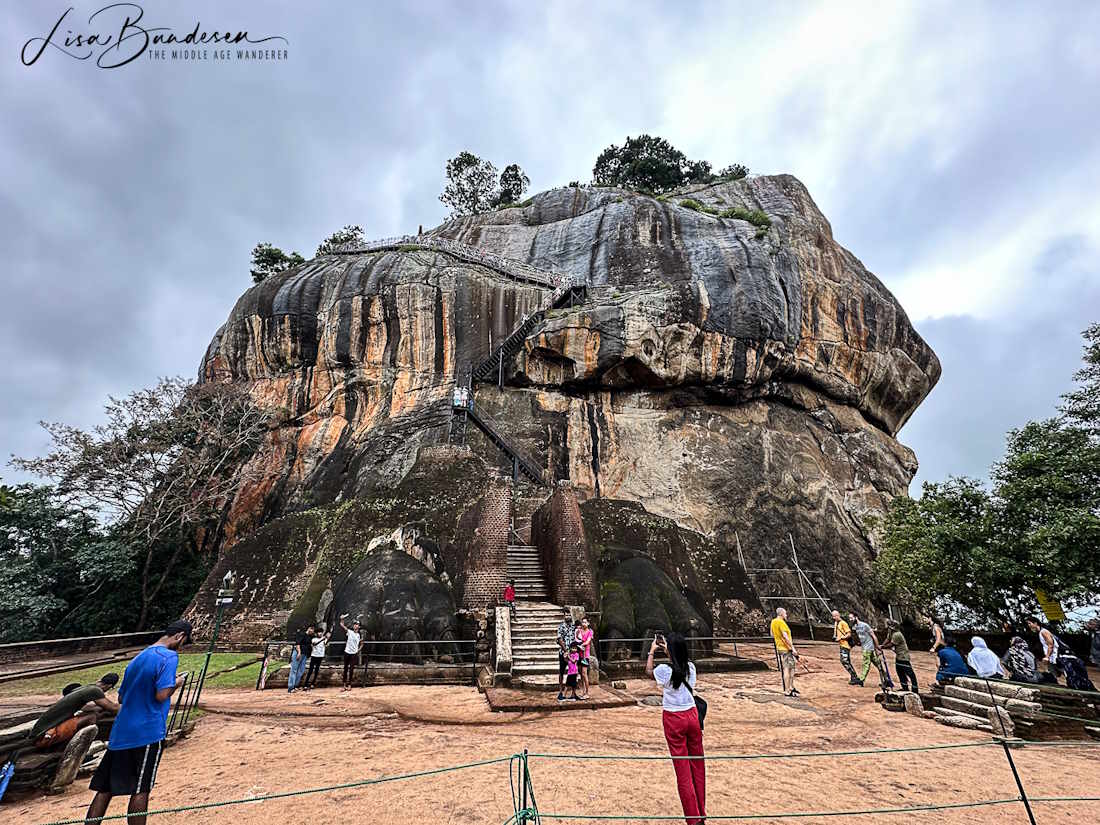
Access to health care is one of the most important safety considerations for older travellers. Fortunately, Sri Lanka offers a good standard of care in most major cities, but the level of service can vary widely depending on where you are.
In urban centres like Colombo, Galle, and Kandy, private hospitals and clinics are well-equipped, affordable, and typically staffed with English-speaking doctors. Many of these professionals have trained internationally, and the cost of treatment is far lower than in countries like Australia, the UK, or the US. For this reason, private facilities are the best option for tourists.
In more rural or remote areas, however, health care can be basic or limited. Emergency services may be slower to respond, and facilities might lack the resources or equipment found in the cities. If you have any chronic health conditions or want peace of mind, we recommend staying within a reasonable distance of a major centre and being clear on the location of the nearest private hospital.
Before your trip, it’s crucial to organise comprehensive travel insurance that covers medical emergencies and evacuation. You should also carry copies of your prescriptions, bring medications in their original packaging, and have your travel documents sorted well in advance. I’ve put together some helpful guides for preparing and packing medications, as well as organising the necessary paperwork, to help you avoid unnecessary stress while abroad.
We also always travel with a small, well-stocked first aid kit. It gives us peace of mind and has come in handy more than once.
These simple preparations can make a big difference if you ever find yourself needing medical care away from home.

Like many popular tourist destinations, Sri Lanka has its share of petty scams, but violent crime is rare, and with a bit of awareness, it’s easy to avoid most issues.
During our trip, we had a few people in Colombo approach us offering to “guide” us around. While persistent, they weren’t aggressive, and a polite “no thank you” was all that was needed. That sort of encounter is common in busy areas, especially near temples or major landmarks.
The most common scams older travellers might encounter include:
You don’t need to be paranoid, just stay aware. Keep valuables out of sight, don’t flash cash, and trust your instincts. If something feels off, walk away.
It’s also worth thinking about digital safety. We carry smartphones, tablets, and laptops while travelling, and it’s important to protect them just as you would your wallet or passport. We personally use Bitdefender antivirus to protect our devices from malware and always connect through a secure Bitdefender VPN when using public Wi-Fi in hotels, airports, and cafes.
We’ve covered many of these scams in more detail elsewhere on the site, with tips for how to spot them quickly and avoid getting caught out.
Ultimately, Sri Lanka felt safe, especially when compared to other destinations we’ve visited, and with basic street smarts, you can explore confidently and enjoy the vibrant atmosphere.
How you choose to get around Sri Lanka can significantly impact how safe and stress-free your trip feels, especially if you’re in your 50s or beyond and looking for comfort, flexibility, and reliability.
We opted to hire a private driver and guide, which turned out to be the best decision for us. Not only was it more affordable than we expected, but it also gave us the freedom to follow our own itinerary without the hassle of public transport. If you’re travelling as a couple or in a small group, this option becomes even more cost-effective.
While public transport is widely available, it’s not always the most comfortable. Local buses can be crowded and fast-moving, and trains, while scenic, can be unpredictable with long delays and limited seating. Tuk-tuks are great for short distances, but for anything longer, you’ll want something safer and more stable.
Traffic in Sri Lanka, particularly in cities, can be chaotic. Road rules are loosely followed, and it’s not uncommon to encounter erratic drivers or sudden lane changes. We wouldn’t recommend self-driving unless you’re very confident and experienced with driving in countries with similar conditions.
Hiring a reputable driver or arranging transport through your accommodation can make your journey much smoother and safer.
We’ve shared more detailed tips elsewhere on how to navigate the country and what to expect from different transport options, which can help you choose the option that best suits your travel style.

Where you stay can make a big difference to how safe and relaxed you feel in Sri Lanka.
We recommend choosing well-reviewed hotels, guesthouses, or villas that cater to international tourists. These are more likely to have English-speaking staff, proper security measures, 24-hour reception, and backup power (useful in areas where power cuts are common).
Accommodation in central, well-lit areas is usually safer than isolated spots, especially if you’re arriving at night or plan to walk to restaurants or attractions. If accessibility is important to you, check whether the property has lifts or ground-floor rooms, as some boutique or heritage hotels may not be fully accessible.
We found colonial-style hotels, like the beautifully restored Galle Fort Hotel in Galle and eco-lodges such as Kulu Safaris in Yala National Park to be excellent options. They offered both character and comfort, without compromising on safety or service. Booking through trusted platforms or your driver/guide also helps avoid unpleasant surprises.
Is Sri Lanka safe for travellers over 50?
Yes, Sri Lanka is generally safe for travellers over 50. Most older travellers find the country welcoming and easy to navigate with proper planning. Stick to trusted transport options, stay alert in crowded areas, and stay up to date on travel advisories.
Sri Lanka has experienced political unrest in recent years, but conditions have stabilised. It’s wise to check current travel advice from your country’s foreign affairs department before and during your trip.
Major cities offer quality private healthcare that’s affordable and accessible. In rural areas, facilities may be basic, so it’s best to carry any essential medications with you.
The most common scams include unofficial “guides,” inflated tuk-tuk fares, and gem store rip-offs. Always agree on prices up front, avoid unsolicited help, and trust your instincts.
Yes – but be cautious. Stick to freshly cooked food, especially when eating from street vendors. Avoid raw items and drink bottled water to stay healthy.
Hiring a private driver is the safest and most comfortable option. It’s more affordable than many expect and allows for flexible, stress-free travel without the challenges of public transport.
Absolutely. Make sure your policy covers medical emergencies, trip cancellation, and evacuation, especially if you have pre-existing conditions.
So, is Sri Lanka safe for older travellers?
From our own experience, the answer is yes – with the right planning and a few simple precautions. We travelled across the country comfortably and confidently, staying informed, choosing reliable transport, and being mindful of our surroundings. At no point did we feel unsafe.
Like any destination, Sri Lanka has its complexities. The political landscape continues to evolve, infrastructure can vary depending on where you are, and, as in any tourist hotspot, scams do exist. But none of these were barriers to an enjoyable, rewarding trip.
By staying up to date with official travel advisories, preparing your travel documents and medications, and using a bit of common sense on the ground, you can experience everything Sri Lanka has to offer without unnecessary worry.
If you’re planning a visit, we’ve also created a complete travel guide for over-50s, covering where to stay, what to pack, how to navigate the local culture, and how to make the most of your time on the island.

Hi, I’m Lisa Bundesen - the voice behind The Middle Age Wanderer. I’m a retired chartered accountant turned passionate traveller and photographer. Alongside my husband Darren (and with our two fur babies waiting at home in Australia), we explore the world one adventure at a time.
I’ve travelled to over 35 countries, and I created this blog to inspire fellow travellers in their 50s, 60s, and beyond to embrace adventure. Whether it’s hiking ancient trails, diving into new cultures, or sipping wine in scenic places, I believe life after 50 is the perfect time to explore more.
Here, you’ll find honest travel advice, destination guides, and real stories to help you travel smarter and with more confidence - because age is not a barrier, it’s an invitation.


Hi, I’m Lisa, a 50+ retired chartered accountant. My husband, Darren, and I explore the world every opportunity we get. Staying fit is key to our adventures, from hiking the Inca Trail to scuba diving. We call Australia home but travel overseas often, always eager to discover new cultures, bustling cities, cuisines, nature and wildlife.
We would love you to join us on our journeys and hope that our adventures give you encouragement to explore this amazing world.
As Seen On

Recent Posts



Action Camera We Use

How We Research Flights

How We Protect Our Laptop

Our Hiking Guide

Related Posts
Tipping in Sri Lanka in 2026: How much to tip drivers, hotel staff, safari guides & more. Updated advice for tourists with practical examples.
Is Sri Lanka safe for older travellers? This guide covers health care, scams, transport, and safety tips based on real experiences and expert advice.

Plan the perfect 2 day Colombo itinerary: explore temples, museums, markets, and oceanfront dining in Sri Lanka’s lively capital city.

Discover 13 unforgettable things to do in Colombo, Sri Lanka for first-time visitors: from temples to food, history, and hidden gems in Sri Lanka’s capital.

Experience the incredible wildlife in Sri Lanka, where elephants, leopards, and whales roam free. This guide highlights the best national parks, when to visit, and how to enjoy ethical safaris that let you connect with nature while respecting the animals that make Sri Lanka so unique.