


Sri Lanka is a compact island, 432 km (268 miles) long and 224 km (139 miles) wide. It is ideal for travellers looking to experience diverse landscapes without long travel times. Most destinations are accessible within a few hours.
Sri Lanka has good highways and rail networks, but due to congestion, especially on rural roads, getting around the country can be frustrating and time-consuming.
As Sri Lanka is small, there are few domestic flight options, so you will need to rely on roads and trains to get around for most if not all of your travel.


Travelling around Sri Lanka is essential for experiencing this island’s diverse attractions. Each region has a unique charm and history, from the ancient ruins of Anuradhapura to the picturesque beaches of Mirissa. Exploring the country allows travellers to immerse themselves in its culture, savour local cuisine, and engage with the friendly locals, making for an unforgettable experience.

Read our comprehensive guide “The Best Time to Visit Sri Lanka“. This article steps you through the pros and cons of each season to help you decide what season is best for your visit.
While this option allows you to travel at your own pace and discover places off the beaten path, it is not recommended and is not a common choice for travellers to Sri Lanka. The major highways are generally in good condition, and the scenic routes offer stunning views of nature and rural life.
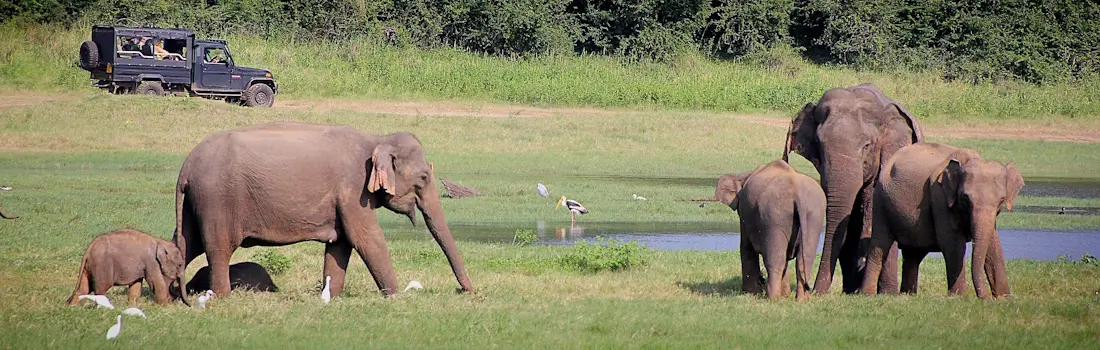
However, it’s crucial to note that driving in Sri Lanka can be quite different from what many travellers are used to. Expect to encounter busy roads filled with tuk-tuks, bicycles, and livestock. You will even see wild elephants on the road in and around national parks. It’s advisable to familiarise yourself with local driving laws and to be cautious, particularly in rural areas where road conditions can vary significantly.
Pros:
Cons:
What You Need to Drive:
To legally drive in Sri Lanka, you must obtain one of the following:
Where to Rent a Car:
Several reputable companies offer car rentals for tourists.
Ensure the rental includes insurance and that the vehicle is in good condition.

Hiring a private driver is an excellent choice if you prefer a more relaxed option without the stress of navigating independently. Many travellers opt for this service, as it provides comfort and local insights into the best places to visit. Drivers are often knowledgeable and can help create a personalised itinerary based on your interests.
This option may be slightly more expensive than self-driving, but its convenience is worthwhile for many. Plus, you can enjoy the sights without worrying about parking or traffic rules. Numerous companies offer driver services in Sri Lanka, making finding one that suits your needs easy.
Pros:
Costs and Inclusions:
The cost of hiring a private driver varies based on distance and vehicle type. On average:
How to Find a Trusted Driver:

Travelling by train is one of the most scenic ways to see Sri Lanka. The railway system connects major cities and tourist destinations, providing breathtaking views of the countryside, mountains, and tea plantations. The journey from Kandy to Ella is famous for its picturesque landscapes and charming vibe.
Best Routes:
How to Book Tickets:
Tickets can be purchased at railway stations or online through platforms like 12Go Asia, which offers e-tickets and delivery options. It’s advisable to book in advance, especially for popular routes.
Classes Explained:
For a comfortable journey with scenic views, second-class reserved seats are popular among travellers.

Buses are one of the most economical ways to travel around Sri Lanka. The extensive network of public buses connects nearly every town and village, making it easy to reach your destination. However, the experience can be overwhelming due to the frequency, delays, and crowded conditions during peak hours.
Local buses provide a unique cultural experience for adventurous travellers on a budget. More comfortable intercity buses are available for longer distances, often with air conditioning and reserved seating. Regardless of your choice, be sure to check the bus schedules ahead of time, as they can vary widely.
Tuk-tuks, or auto rickshaws, are iconic in Sri Lanka and offer an exciting and flexible mode of transport. They are especially popular for short distances or when exploring cities like Colombo or Galle. For convenience, you can either hail a tuk-tuk on the street or use ride-hailing apps like PickMe and Uber.
While tuk-tuks are fun, it’s important to negotiate the fare before starting your journey to avoid misunderstandings. They can be a bit pricier than public transport, but the unique experience and the ability to stop at various attractions along the way make it worthwhile.

For those looking for a bit of adventure, renting a scooter or bicycle can be an excellent choice. This option allows travellers to explore at their own pace and is particularly popular in coastal areas or regions with scenic routes. Renting a scooter is generally affordable and offers greater flexibility compared to traditional transport.
Before you rent, ensure you have the appropriate licenses and are comfortable navigating the local traffic rules. Bicycles are also available for rent in many tourist-friendly areas, providing a leisurely way to enjoy the surroundings while getting some exercise.
Cost is a significant factor when planning your transportation in Sri Lanka. Public buses are the cheapest option, often costing just a few hundred rupees for longer journeys. Trains fall in the middle range, with prices varying based on the class of service chosen.
Renting a vehicle or hiring a private driver will typically be more expensive, but their convenience and comfort make them appealing choices for many travellers. Tuk-tuks are convenient for short distances but can add up if you take multiple rides daily.

Read our “Tipping in Sri Lanka: Your Complete Guide“. It goes through all you need to know about tipping in restaurants, hotels, taxis / tuk-tuks as well as your tour guides and drivers.
Hiring a private driver or renting a car would be the best choice for those prioritising comfort and convenience. It allows for door-to-door service and the flexibility to change plans on the go. Meanwhile, train travel offers a unique experience but may require additional time and planning due to schedules.
While economical, buses can be crowded and uncomfortable, especially during peak hours. Tuk-tuks offer a fun way to travel short distances, but negotiating fares can sometimes be cumbersome, especially for tourists unfamiliar with local rates.

Driving in Sri Lanka may be challenging for those not accustomed to the local driving norms. Traffic in Sri Lanka drives on the left side of the road, and roads can be narrow and winding, especially in rural areas. Be aware of the presence of pedestrians, cyclists, and animals, particularly on less-developed roads.
Moreover, it’s essential to familiarise yourself with local signage and road conditions. The speed limits are generally lower than in many Western countries, and adhering to them is crucial for safety. If you choose to hire a driver, they will be knowledgeable about local customs and can navigate the roads safely.
Utilising technology can greatly enhance your travel experience in Sri Lanka. Apps like Google Maps are invaluable for navigation, but be sure to download offline maps in case of limited connectivity in rural areas. Other helpful apps include Waze, which provides real-time traffic updates, and local ride-hailing services like PickMe for convenient transport options.
Language barriers may also be a concern, so having a translation app can help you communicate better with locals, especially when asking for directions or negotiating fares. Overall, leveraging these tools can ease the travel experience and help you navigate unknown territories confidently.
Travelling around Sri Lanka offers various options to suit different preferences and budgets. Whether you choose to drive yourself, relax on a train, hire a driver, or hop on a local bus, each mode of transport provides a unique way to experience the beauty of the island.
What is the best way for first-time travellers to get around Sri Lanka?
The best way often depends on your comfort level. Hiring a private driver is popular among first-time travellers as it provides ease and local knowledge.
Can I drive in Sri Lanka with my driver’s license?
No, you need a temporary Sri Lankan driving permit or an International Driving Permit endorsed by the Automobile Association of Ceylon.
Are tuk-tuks safe for tourists?
Yes, for short distances within towns. For longer trips, consider other transport options.
Are buses safe and reliable in Sri Lanka?
While buses are economical and cover a vast network, they can be crowded and occasionally delayed. It’s good to keep a flexible schedule.
Can I rent a scooter in Sri Lanka?
Yes, many places offer scooter rentals, especially in tourist areas. Just ensure you have the required licenses and safety gear.
How do I communicate with tuk-tuk drivers?
Negotiating fares upfront is common. If you’re unsure about the price, using a translation app can help facilitate communication.
Is it easy to find parking if I drive?
Parking can be challenging in busy urban areas, but most tourist attractions have designated parking spaces. Be cautious of local regulations.



Hi, I’m Lisa, a 50+ retired chartered accountant. My husband, Darren, and I explore the world every opportunity we get. Staying fit is key to our adventures, from hiking the Inca Trail to scuba diving. We call Australia home but travel overseas often, always eager to discover new cultures, bustling cities, cuisines, nature and wildlife.
We would love you to join us on our journeys and hope that our adventures give you encouragement to explore this amazing world.
Some of the links below are affiliate links, meaning, at no additional cost to you, I will earn a commission if you click through and make a purchase. This helps me to keep bringing you travel updates and news.
I only recommend companies and products that I personally use.
Explore the World with Us!
Join my newsletter for travel advice, tips and inspiration.
As Seen On

Recent Posts



Categories
Action Camera We Use

Where We Book Accommodation
How We Research Flights

How We Protect Our Laptop

Our Hiking Guide

Related Posts
Tipping in Sri Lanka in 2026: How much to tip drivers, hotel staff, safari guides & more. Updated advice for tourists with practical examples.

Is Sri Lanka safe for older travellers? This guide covers health care, scams, transport, and safety tips based on real experiences and expert advice.

Plan the perfect 2 day Colombo itinerary: explore temples, museums, markets, and oceanfront dining in Sri Lanka’s lively capital city.

Discover 13 unforgettable things to do in Colombo, Sri Lanka for first-time visitors: from temples to food, history, and hidden gems in Sri Lanka’s capital.

Experience the incredible wildlife in Sri Lanka, where elephants, leopards, and whales roam free. This guide highlights the best national parks, when to visit, and how to enjoy ethical safaris that let you connect with nature while respecting the animals that make Sri Lanka so unique.