

Some of the links below are affiliate links, meaning, at no additional cost to you, I will earn a commission if you click through and make a purchase. This helps me to keep bringing you travel updates and news. See my Disclosure Policy for more information. I only recommend companies and products that I personally use.
Are you planning a trip to Sri Lanka in 2026 and wondering about tipping? You’re not alone. Tipping in Sri Lanka isn’t always expected, but it’s certainly appreciated, especially in the tourism industry, where small gestures go a long way.
As someone who’s travelled extensively through Sri Lanka, from luxury hotels in Colombo and Galle to remote wildlife safaris in Yala, I’ve experienced firsthand how tipping can elevate your interactions and show respect for local culture. This guide is based on personal travel experience and current practices, not outdated hearsay.
Sri Lanka’s tourism industry continues to rebound, and while tipping norms haven’t changed drastically in recent years, the country’s economic challenges mean that thoughtful tipping is both welcome and impactful. Whether it’s a tuk-tuk driver in Colombo or a safari guide deep in a national park, knowing when and how much to tip can help you travel with confidence and cultural awareness.
In this updated 2026 guide, you’ll find:
Tipping is not mandatory in Sri Lanka, but it is increasingly common – especially in the tourism industry. With the country welcoming more international travellers, hotel, restaurant, and tour service staff have come to expect small gratuities for good service. While locals do not typically tip each other, the gesture is considered respectful and generous when coming from foreign visitors.
It’s also important to understand the economic context. Sri Lanka has faced significant financial challenges in recent years, and wages in the service industry remain relatively low. A modest tip – even just a few hundred Sri Lankan Rupees – can go a long way for someone working in hospitality or tourism.
That said, over-tipping can cause awkwardness or even skew expectations. The key is to tip appropriately and thoughtfully based on the service received and the local norm. This guide will help you do just that – giving you a clear, practical overview of who to tip and how much to give.
If you’re planning your first trip to the island, don’t miss my Sri Lanka travel tips for first-time visitors. It covers everything from entry requirements to cultural etiquette.
As a guide, exchange rates are approximately:
Tipping is appreciated throughout Sri Lanka’s tourism industry, but knowing the right amount and the right time can make all the difference. Here is your go-to guide, based on our recent trip.
The amount to tip depends on the service provided and the context. Here’s a general guide to help you:
If you’re navigating local transport options, check out my full guide on how to get around in Sri Lanka for more insights.

Tipping in Sri Lanka is not just about how much you give but also how you do it. These practical etiquette tips will help you avoid awkward moments and show appreciation in a culturally respectful way.
Most places cannot break large notes, and small bills are key for tipping. When withdrawing cash from ATMs, try to break your LKR 5,000 and LKR 2,000 notes at large retailers, supermarkets, or your hotel front desk.
I always travel with a few small bills tucked into a day pack or wallet – they’re perfect for quick tips. You’ll find more of these practical items in my Sri Lanka packing list.
While some people may accept US dollars, tipping in Sri Lankan Rupees is the polite and practical option. It saves staff the hassle of currency exchange and shows you are mindful of the local economy.
Restaurants and hotels often add a 10% service charge to the bill. In these cases, tipping is optional unless you feel the service was exceptional.
It is common to hand over a tip with a quiet thank you or place it in an envelope when appropriate (e.g., in hotels or spas). Making it a private gesture shows respect and avoids putting the recipient on the spot.
Not every situation calls for a tip. If service was poor, or if you are pressured to tip in an aggressive way, it is okay to withhold. Tipping should always be based on appreciation – not obligation.
While tipping isn’t mandatory, a small amount is appreciated. For most services:
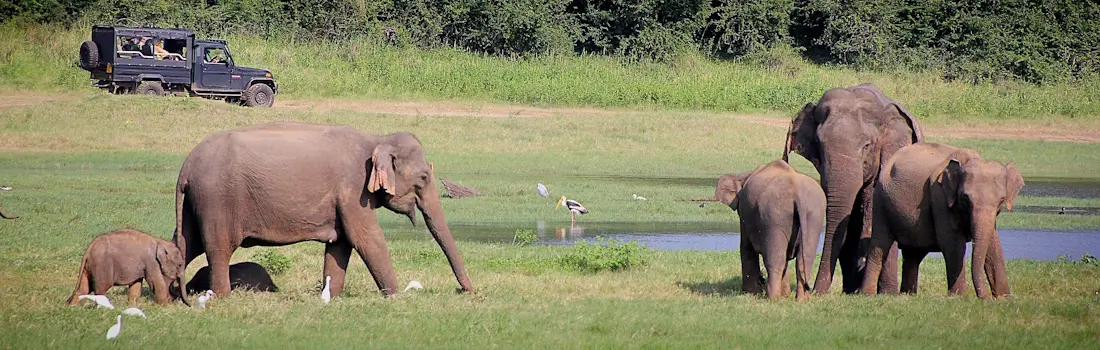
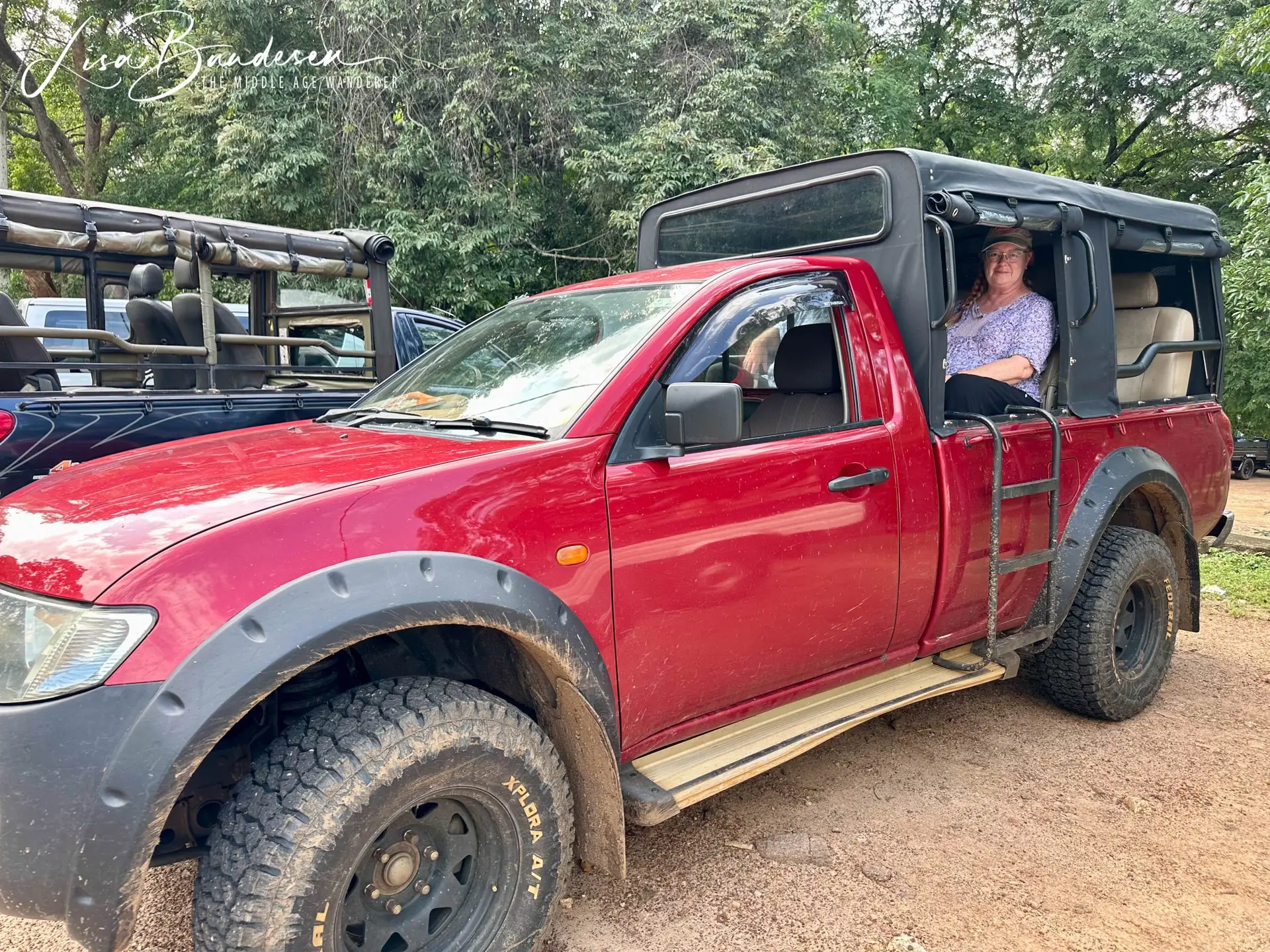
For half-day safaris, tip around 1,000-1,500 LKR per person. For full-day safaris or private guides, 2,000-3,000 LKR is appreciated, especially if your guide was engaging or helped you spot wildlife.
Tipping is not compulsory, but it’s common and appreciated, particularly in tourism, hospitality, and transport. Locals won’t expect it, but most will gratefully accept it.
If you’ve hired a private driver for multiple days, a tip of 500–1,000 LKR per day is respectful. If they’ve gone above and beyond, such as giving tours, helping with bookings, or translating, you might tip more on the final day.
Tipping in Sri Lanka does not need to be confusing – a little local awareness and preparation go a long way. Here is a quick recap:
With this guide, you can navigate tipping confidently while supporting the people who make your travel experience so memorable. Whether you are dining in Galle, exploring Yala on safari, or relaxing in a beachside spa, a small gesture of gratitude can make a big difference.
If you are planning your trip, check out our Sri Lanka Travel Guide, and remember to travel smart with travel insurance and VPN protection to make every moment count.

Hi, I’m Lisa Bundesen - the voice behind The Middle Age Wanderer. I’m a retired chartered accountant turned passionate traveller and photographer. Alongside my husband Darren (and with our two fur babies waiting at home in Australia), we explore the world one adventure at a time.
I’ve travelled to over 35 countries, and I created this blog to inspire fellow travellers in their 50s, 60s, and beyond to embrace adventure. Whether it’s hiking ancient trails, diving into new cultures, or sipping wine in scenic places, I believe life after 50 is the perfect time to explore more.
Here, you’ll find honest travel advice, destination guides, and real stories to help you travel smarter and with more confidence - because age is not a barrier, it’s an invitation.


Hi, I’m Lisa, a 50+ retired chartered accountant. My husband, Darren, and I explore the world every opportunity we get. Staying fit is key to our adventures, from hiking the Inca Trail to scuba diving. We call Australia home but travel overseas often, always eager to discover new cultures, bustling cities, cuisines, nature and wildlife.
We would love you to join us on our journeys and hope that our adventures give you encouragement to explore this amazing world.
As Seen On

Recent Posts




Action Camera We Use

How We Research Flights

How We Protect Our Laptop

Our Hiking Guide

Related Posts


