


Planning your first trip to Sri Lanka? It’s one of the most rewarding travel destinations, but knowing what to pack can quickly become overwhelming. With everything from ancient temples and wildlife safaris to tropical beaches and scenic hikes, packing for Sri Lanka requires more than just the basics.
When my husband and I travelled to Sri Lanka in December and January, we experienced it all – from climbing Sigiriya to spotting leopards on safari, and visiting sacred sites where modesty is essential. We quickly learned which items were absolutely essential, what we could have left at home, and what we wished we had packed.
This guide is for first-time visitors who want practical advice, not fluff. It includes all the must-haves – from medical essentials and sun protection to cultural dress tips and the best gear for safaris. Plus, I’ve included links to products we genuinely use and love which can help you on your trip, along with a free downloadable checklist to make packing as easy as booking your flight.
Let’s make sure you’re prepared, comfortable, and confident before you board the plane.
Before you even think about your wardrobe or camera gear, make sure your most important documents and payment methods are sorted. Sri Lanka is a relatively easy country to navigate as a tourist, but having these essentials ready will make your arrival and daily travel much smoother.
Pro Tip: ATMs are widely available but always notify your bank about international travel dates to avoid card blocks.

When you’re travelling in a tropical climate, especially as a mature traveller, staying healthy and comfortable is key. Sri Lanka is generally safe and easy to travel through, but the heat, humidity, and change in diet can take a toll if you are not prepared. This section includes all the essentials you’ll want on hand, especially for rural areas, safaris, or temple visits.
Pro Tip: Consider packing a small, travel-sized medical kit. I recommend Survival First Aid Kits (use the code MIDDLEAGE for 10% off selected products) – compact, durable, and includes everything from antiseptic wipes to scissors and tweezers. And they ship worldwide.

Sri Lanka’s warm, tropical climate means you’ll want to dress in light, breathable clothing; however, it’s also essential to pack with cultural sensitivity in mind. Many religious sites require modest attire, and safari excursions call for practical, neutral-toned outfits. Whether you’re walking through temples or trekking up Little Adam’s Peak, these clothing tips will keep you comfortable and respectful.
Insider Tip: A lightweight sarong or wrap can be used as a shawl for temples, a pillow on buses, or sun protection. It is one of my most frequently used travel items.

Shoes might not be the most exciting thing to pack, but they can absolutely make or break your trip to Sri Lanka. Between uneven hiking trails, temple visits (where you’ll need to remove your shoes), and long days on your feet exploring towns or historical sites, bringing the proper footwear is crucial.
Tip: If you need extra arch support or have foot issues, bring orthotic inserts.
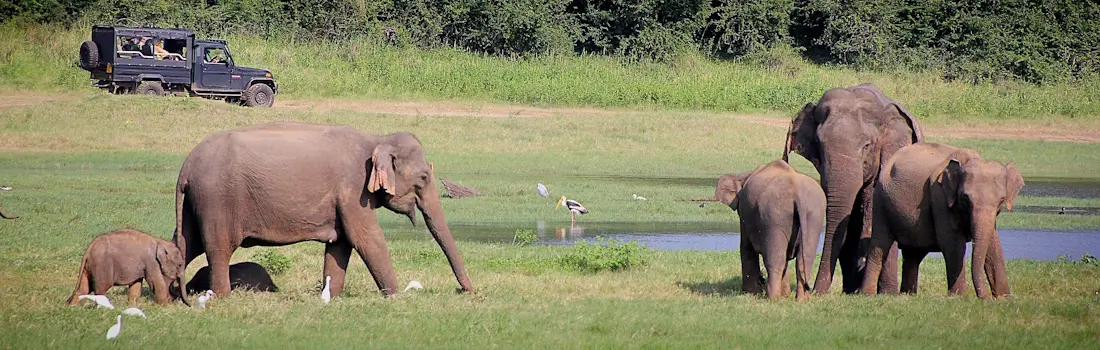
Sri Lanka is a dream destination for wildlife lovers. Whether you’re spotting elephants in Minneriya or leopards in Yala National Park, a bit of preparation makes a big difference. Safaris are dusty, bumpy, and often hot – or in the blink of an eye, can be cold and raining. So you’ll want to bring gear that’s practical, protective, and easy to use on the go.
Tip: Always ask your safari driver to position the vehicle for photos if you’re keen on wildlife photography – they’re used to it and usually happy to help.

While Sri Lanka offers the chance to disconnect, there are still some must-pack gadgets that will keep you connected, powered up, and ready to capture every moment, especially if you’re navigating remote areas, staying in eco-lodges, or using your phone as your primary camera or GPS device.
Tip: If you’re packing a drone, camera, and laptop, keep all your electronics in your carry-on, and consider using Apple AirTags to track your gear during flights.

How you pack can be just as important as what you pack – especially when moving between cities, national parks, and beach towns. Your luggage setup should strike a balance between convenience, durability, and accessibility. This section covers the bags and organisers that make packing (and unpacking) simpler.
Tip: Avoid overpacking. Internal flights and some overland transfers in Sri Lanka can have strict luggage weight limits, especially if you’re heading into remote areas or small lodges.
These are the little things that are not strictly essential, but can make your trip smoother, more comfortable, or just a bit more enjoyable. If you have room in your bag, these extras are worth considering, especially for first-time travellers to Sri Lanka.
Pro Tip: Many of these items are inexpensive and lightweight, but they can save you frustration when you need them most.

Feeling a bit overwhelmed by the list? Don’t worry – I’ve put together a free downloadable PDF checklist to make your packing process simple and stress-free.
This printable version includes everything covered in this post: essential documents, clothing tips, safari gear, and those easy-to-forget extras. Whether you’re a paper-and-pen kind of person or prefer checking items off digitally, this list has you covered.
Tip: Print a copy to pack from at home, and save a version on your phone for your return trip – it’s the easiest way to make sure you don’t leave anything behind in your hotel room.
Want a printable version of this packing list?
Pop your email in below and you’ll be taken straight to the page where you can download the Sri Lanka Packing List PDF – perfect for printing or saving on your phone.
👇
Packing for Sri Lanka does not have to be stressful, especially when you have a clear, practical list tailored for first-time visitors. With the right combination of lightweight layers, cultural awareness, and a few well-chosen gadgets, you will be ready for temples, safaris, hikes, and beach days alike.
Remember, you don’t need to pack everything on this list, but you do need to pack smart. Think comfort, respect for local customs, and gear that keeps you safe and supported on the go.
I hope this guide helps you feel confident and prepared for your adventure. Download the checklist, save the post, and if you found it helpful, please share it with a friend or in your favourite travel group.
✈️ Safe travels!
What should I wear when visiting temples in Sri Lanka?
You must cover your shoulders and knees, regardless of gender. A sarong or long pants/skirt is required, and you will need to remove your shoes before entering. Old black socks are great for protecting your feet on hot or dusty surfaces.
Is it okay to wear shorts in Sri Lanka?
Yes, in casual or beach areas. But avoid wearing shorts in temples, sacred sites, or more conservative towns. For safaris and hikes, long pants offer better protection against insects and branches.
Do I need hiking boots for Sri Lanka?
Not unless you are doing serious treks. A pair of sturdy walking shoes with a good grip is more than enough for hikes like Little Adam’s Peak or exploring national parks.
Can I buy toiletries and medicine in Sri Lanka?
Basic toiletries are widely available, especially in larger cities. However, please bring any specific brands or prescription medications you rely on.
Is a water purifier necessary?
Not usually. Bottled water is readily available in most tourist areas. A purifier is helpful if you’re heading well off the beaten path or prefer a sustainable alternative.
What power adapter do I need for Sri Lanka?
Sri Lanka uses a mix of plug types (D, M, and G). A universal travel adapter is your safest bet. Power can occasionally flicker, so be sure to pack a power bank for backup.
Is it safe to bring expensive camera gear?
Yes, Sri Lanka is generally safe for travellers, and many people bring DSLRs, drones, or action cameras. Just take standard precautions: use a dustproof bag during safaris, keep gear in your carry-on during flights, and never leave valuables unattended. Make sure your camera gear is covered under your travel insurance, especially if it’s high-value or essential to your trip. Apple AirTags can help track your gear if the worst happened and it got lost or stolen.

Hi, I’m Lisa Bundesen - the voice behind The Middle Age Wanderer. I’m a retired chartered accountant turned passionate traveller and photographer. Alongside my husband Darren (and with our two fur babies waiting at home in Australia), we explore the world one adventure at a time.
I’ve travelled to over 35 countries, and I created this blog to inspire fellow travellers in their 50s, 60s, and beyond to embrace adventure. Whether it’s hiking ancient trails, diving into new cultures, or sipping wine in scenic places, I believe life after 50 is the perfect time to explore more.
Here, you’ll find honest travel advice, destination guides, and real stories to help you travel smarter and with more confidence - because age is not a barrier, it’s an invitation.


Explore the World with Us!
Join our newsletter for travel advice, tips and inspiration.
Hi, I’m Lisa, a 50+ retired chartered accountant. My husband, Darren, and I explore the world every opportunity we get. Staying fit is key to our adventures, from hiking the Inca Trail to scuba diving. We call Australia home but travel overseas often, always eager to discover new cultures, bustling cities, cuisines, nature and wildlife.
We would love you to join us on our journeys and hope that our adventures give you encouragement to explore this amazing world.
Some of the links below are affiliate links, meaning, at no additional cost to you, I will earn a commission if you click through and make a purchase. This helps me to keep bringing you travel updates and news. See my Disclosure Policy for more information.
I only recommend companies and products that I personally use.
Explore the World with Us!
Join my newsletter for travel advice, tips and inspiration.
As Seen On

Recent Posts



Categories
Action Camera We Use

Where We Book Accommodation
How We Research Flights

How We Protect Our Laptop

Our Hiking Guide

Related Posts
Some of the links below are affiliate links, meaning, at no additional cost to you, I will earn a commission if you click through and
Is it safe to travel in 2026? Learn the modern travel risks to watch and travel safety tips that help you stay confident, calm, and prepared. ✅✈️
Are animal cafes ethical? Use this quick decision guide to spot red flags, understand welfare concerns, and choose kinder alternatives that give animals a life worth living.
Worried about scams when travelling? Learn how to spot and avoid the most common travel scams before, during, and after your trip, without the stress.

Travelling somewhere cold? Skin care in cold destinations for travellers over 50 is about comfort, not perfection. Learn what really works.