


Some of the links below are affiliate links, meaning, at no additional cost to you, I will earn a commission if you click through and make a purchase. This helps me to keep bringing you travel updates and news. See my Disclosure Policy for more information. I only recommend companies and products that I personally use.
A Quick Note Before We Begin
I’m not a medical or dermatological professional; this post is based on what I’ve learned works in real life while travelling in extreme cold across multiple climates and hemispheres. If you have a skin condition, allergies, or medical concerns, it’s always best to speak with a healthcare professional before travelling.
Cold destinations can be magical – snow-covered landscapes, crisp air, and dramatic scenery – but they can also be incredibly tough on your skin, especially as we get older.
We’ve travelled to more than 35 countries, experiencing temperatures ranging from -35°C (-31°F) to +45°C (+113°F). That includes riding an open chairlift in Abisko, Sweden, where the wind chill hit -35°C, snorkelling in dry suits in the Silfra Fissure in Iceland, and walking through heavy snowfall at Cardrona in New Zealand.
I deliberately mention both the Northern and Southern Hemispheres, because cold-weather travel isn’t limited to Europe or North America. Places like New Zealand, Patagonia, and parts of Australia can be just as harsh on your skin, particularly when you factor in wind, snow, and constant transitions between freezing outdoor air and heated indoor spaces.
Over time, I’ve learned that skin care in cold destinations for travellers over 50 is less about fancy products and more about understanding what cold, wind, dry air, and travel itself do to mature skin and adjusting your routine before problems start.
While I’m not a medical professional, everything I share here comes from real-world experience, trial and error, and learning what actually keeps skin comfortable when travelling in cold climates.
As we age, our skin naturally becomes thinner, drier, and slower to recover. Oil production decreases, the skin barrier weakens, and moisture loss happens more quickly, even before you add travel into the mix.
Cold destinations amplify these changes.
Cold air holds very little moisture, which means your skin loses hydration faster. Wind strips away what little protection remains on the surface, often leading to redness, irritation, or that tight, uncomfortable feeling by the end of the day. Add heated indoor air – hotels, restaurants, ski lodges, transport – and you’ve got a perfect storm for dry, unhappy skin.
For travellers over 50, this can show up as:
What makes travel different from everyday winter weather is the constant change. One minute you’re outside in freezing temperatures and wind, the next you’re inside somewhere overheated and dry. That back-and-forth is particularly hard on mature skin.
The good news is that once you understand what’s happening, it’s much easier to adapt to your routine and avoid discomfort altogether.

Cold weather alone can be hard on skin, but travel magnifies the problem, especially for travellers over 50.
As I’m writing this post, I’m sitting on a high-speed train in South Korea in the middle of winter, travelling through below-freezing temperatures. The windows are fogging from the warmth inside against the icy air outside. It’s a perfect example of how quickly cold-weather travel can affect your skin.
One of the biggest culprits is dry cabin air on flights. Long-haul flights strip moisture from your skin before you even arrive, leaving it dehydrated and more vulnerable to irritation. By the time you land in a cold destination, your skin barrier is already compromised.
Then there’s the constant temperature whiplash. You might be walking outside in freezing wind one minute, then stepping into a hotel, café, or transport hub that’s overheated and bone-dry the next. I’ve experienced this everywhere from Scandinavia to the South Island of New Zealand, and the effect on the skin is always the same: dryness, tightness, and irritation creep in fast.
Travel routines also tend to work against good skin care:
Cold destinations also change how we hydrate, often without us realising it. In cold climates, it’s easy to swap water for hot drinks just to warm up. There’s nothing wrong with enjoying a coffee or tea, but caffeine can have a mild dehydrating effect, especially if it replaces water altogether. I’ve noticed that when I rely too heavily on hot drinks and don’t consciously drink water as well, my skin feels it very quickly.
One thing that consistently catches me out in cold destinations is how much less water I drink without even noticing. When it’s hot, thirst is obvious. In cold weather, not so much. You’re not sweating, you don’t feel parched, and reaching for water feels far less instinctive, especially when you’re rugged up, sightseeing, or hopping in and out of cafés and transport.
The problem is that dehydration still happens, and it often shows up first in your skin. Flights, dry indoor heating, and cold air already pull moisture from your body, and drinking less water only adds to the issue. I’ve found that in cold climates, dry or tight skin isn’t always just about what’s happening on the surface; it’s often a sign that I’m simply not hydrating enough overall.
The combination of age-related skin changes, cold air, wind, heating, dehydration, and travel stress is why skin issues often appear more quickly and more severely on cold-weather trips than they do at home. The key is recognising that this is normal, predictable, and manageable with a few smart adjustments.
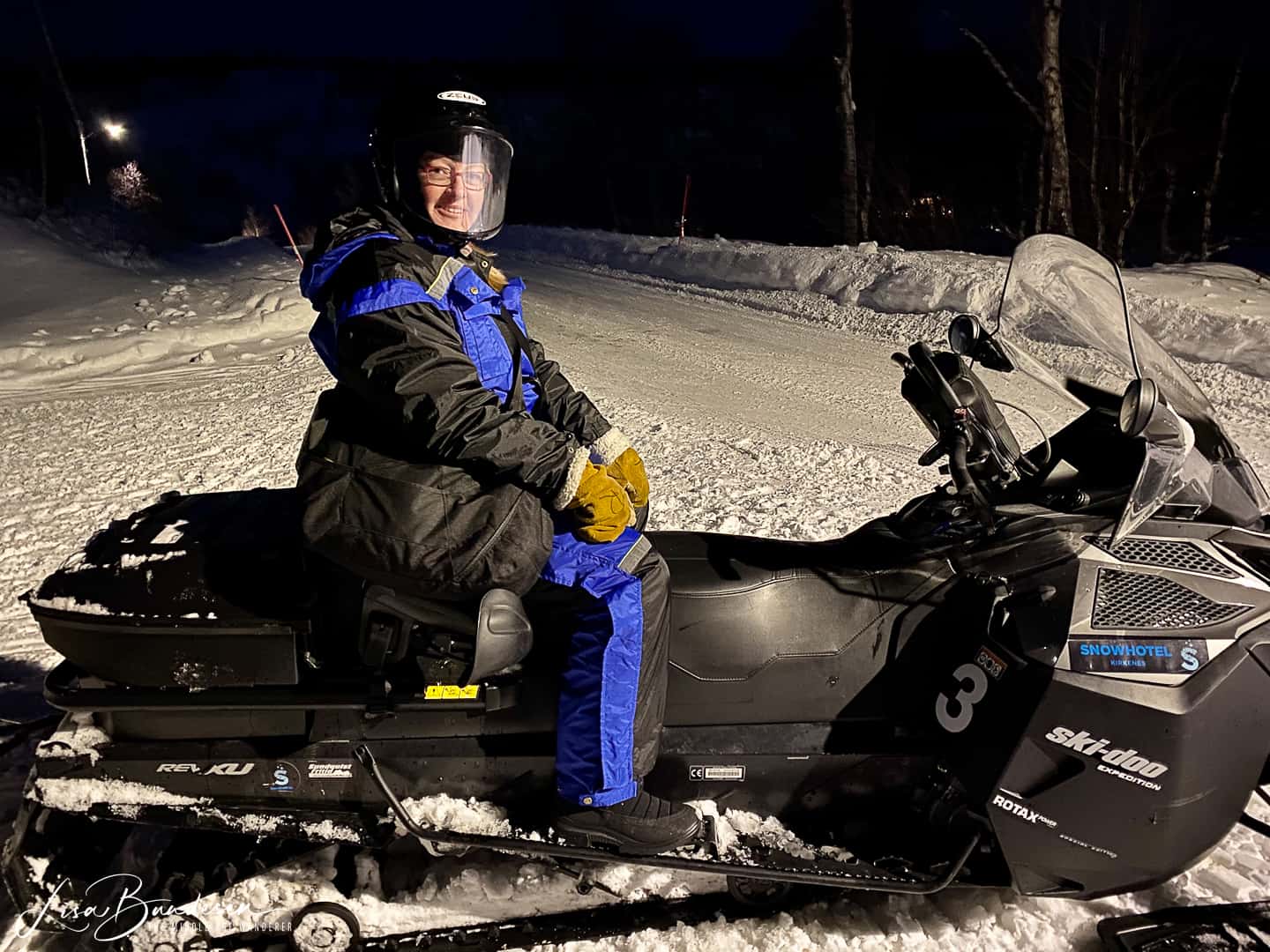
Cold-weather travel tends to expose skin issues quickly, especially when you’re over 50. Even people who normally have very few skin problems at home often notice changes within the first few days of a cold-climate trip.
These are the most common issues I see and experience when travelling in cold destinations:
Dry, Tight Skin
This is usually the first sign. By the end of the day, skin can feel uncomfortable, stretched, or tight, particularly on the face, neck, and hands. Cold air and indoor heating strip moisture fast, and mature skin simply cannot replace it as quickly as it once did.
Redness and Sensitivity
Wind, cold air, and temperature changes can trigger redness, especially on the cheeks, nose, and around the mouth. Skin that was never “sensitive” before can suddenly react to products or conditions it previously tolerated.
Flaking and Rough Patches
Dry patches often appear around the nose, eyebrows, chin, or jawline. Hands can become rough or cracked surprisingly quickly, especially if you’re washing them more often or using hand sanitiser.
Dry Legs
Legs are one of the most commonly overlooked areas when travelling in cold destinations, and they can become just as dry and uncomfortable as your face or hands. Because legs cover a larger surface area, they tend to lose moisture quickly, especially when you are:
Dry, itchy legs are often one of the first signs that your skin barrier is struggling, even if the rest of your skin seems “fine”.
Dry Feet Inside Shoes All Day
Feet cop a double hit in cold climates. They’re often enclosed in socks and boots all day, exposed to friction, and rarely moisturised properly. The result can be:
But there’s another layer to this that often catches people out, even in cold temperatures, feet can still sweat, especially if you’re walking a lot in thick socks and enclosed shoes.
This happens to me often. While the rest of my skin is dealing with dryness from cold air and heating, my feet are working hard all day and sweating inside boots. That combination of moisture, friction, and then drying out again can make foot skin problems escalate quickly.
It can also mean that the inside of your shoes can still be damp the next time you go to put them on, even though it doesn’t feel obvious at first. And while it’s tempting to speed things up with a hairdryer, that’s not always a good idea – the heat can weaken or melt the glue holding shoes together. Trust me, I know … I watched my husband do exactly this to a pair of his hiking boots after they got wet in Iceland.
When feet are alternately damp and dry inside warm footwear, skin can become irritated, rough, or cracked far more quickly than you expect, particularly on long walking days or on outdoor-heavy itineraries.
If foot comfort is something you think about when travelling, you might also find my post “5 Foot Care Tips for Travelling” helpful. It looks more broadly at keeping your feet comfortable and supported on travel days, especially when you’re on them more than usual.
Chapped Lips
Lips have very little natural protection and tend to suffer early in cold conditions. Without regular balm, they can crack or peel within days, sometimes hours.
Wind Burn
This is often mistaken for dryness alone. Wind burn can cause stinging, redness, and a slightly inflamed feeling on exposed skin, especially after long periods outdoors in snow or strong winds.
What’s important to understand is that these issues are not a sign you’re doing anything wrong. They’re a normal response to cold, dry environments combined with age-related changes in skin.
The goal isn’t perfection – it’s comfort. Once you recognise these early signs, it’s much easier to adjust your routine and stop things from getting worse.

When travelling in cold destinations, the goal isn’t a complicated skincare routine: it’s protecting your skin barrier and keeping moisture in. I’ve found that simplifying what I do, rather than adding more products, makes the biggest difference.
Here’s the routine that works for me when temperatures drop below freezing.
Mornings are about prevention, not treatment.
Cleanse gently
Use a mild, non-foaming cleanser or even just lukewarm water if your skin feels dry. Over-cleansing first thing in the morning can strip away what little natural oil your skin has left.
Apply a rich moisturiser
This is not the time for lightweight lotions. In cold destinations, your skin needs something that actually seals in moisture.
Don’t forget your neck, chest, and legs
It’s easy to focus only on your face, but legs and arms are often just as exposed to dry air, especially under layers that rub throughout the day.
Protect exposed areas
Before heading out, I’ll make sure my lips, hands, and any exposed skin are properly moisturised. A scarf pulled up around the face can also act as a physical barrier against the wind.
Cold-weather travel days are busy, and skin care needs to be realistic.
Reapply lip balm and hand cream regularly
These are the two areas that suffer most throughout the day, especially if you’re wearing gloves or washing hands frequently.
Avoid overwashing hands and face
This is easier said than done, especially in cold climates. Cold weather seems to make me need the bathroom more often, and I joke that I have a bladder the size of a pea (not literally, but you get the picture). The result is a lot of hand washing throughout the day.
I can’t really help the extra bathroom breaks, but I can be mindful of what all that washing does to my skin. Public bathroom soaps tend to be harsh, and repeated washing strips moisture quickly, so I’ve learned to moisturise my hands straight after whenever I can.
If frequent toilet stops while travelling sound familiar, I share more practical, dignity-saving tips in my post, “Travelling with a Weak Bladder: 11 Essential Tips“.
Pay attention to your legs and feet
Long days in trousers, tights, socks, and boots can quickly dry out skin. Even if they’re covered, they still lose moisture.
Don’t forget to drink water
I also try to keep a water bottle handy, because I know I tend to drink far less water in cold weather, even though dehydration still affects my skin just as much.
Evenings are when your skin has a chance to recover.
Use a gentle cleanser
Remove the day’s grime without scrubbing or exfoliating.
Apply a heavier moisturiser or overnight cream
This is when I’ll use my richest products, especially on the face, hands, legs, and feet.
Moisturise legs and feet properly
I make a point of moisturising my legs every night in cold climates, even when I’m tired. Feet get extra attention after being enclosed in shoes all day.
Skip Strong Treatment Products for Now
Cold-weather travel is not the time to introduce strong acids or retinol. Comfort and barrier repair come first.
This routine isn’t glamorous, but it works. And more importantly, it keeps skin comfortable enough that you’re not constantly distracted by dryness, tightness, or irritation while travelling.

When it comes to skin care in cold destinations, packing smart matters more than packing a lot. Cold climates are unforgiving, and having the right basics with you can prevent most problems before they start.
This is what I prioritise when travelling in cold weather.
I keep all of these basics together in my travel health kit, so I’m not scrambling when my skin starts feeling dry or uncomfortable.
Once you’ve packed the right basics, this quick-reference table shows when and where to use them throughout the day in cold destinations.
Cold Destination Skin Care Routine at a Glance
| TYPE | WHEN | WHERE | NOTES |
|---|---|---|---|
| Gentle Cleanser | Evening (morning optional) | Face & body | Non-foaming, fragrance-free to avoid stripping skin |
| Rich Face Moisturiser | Morning | Face, neck, chest | Creates a moisture barrier before cold air and wind |
| Barrier Balm or Cream | Before going outdoors in extreme cold | Cheeks, nose, hands | Extra protection against wind burn |
| Lip Balm | Morning + throughout the day | Lips | Cold air dries lips quickly |
| Hand Cream | Throughout the day + evening | Hands & cuticles | Frequent washing + cold air strips moisture |
| Body Moisturiser | Evening (daily) | Legs, arms, body | Large areas lose moisture even when covered |
| Foot Cream or Body Moisturiser | Evening (daily) | Feet & heels | Enclosed shoes + sweat + friction dry skin fast |
| Richer Night Cream | Evening | Face, neck | Focus on repair overnight |
| Soft Scarf / Neck Covering | During the day | Neck & lower face | Physical barrier against wind and cold |
| Regular Water Intake | Throughout the day | Sip water regularly | Cold weather reduces thirst cues. Dehydration still affects skin, especially when flying or spending time in heated indoor spaces |
Cold destinations can be unforgiving, and sometimes the biggest skin problems come from well-intentioned habits that simply don’t work in dry, cold conditions.
Here are a few things I’ve learned to avoid when travelling in cold climates:
Don’t Take Long, Hot Showers
I’ll be honest – I loooooove a hot shower, especially after a long day out in freezing temperatures. When you’re cold to the bone, nothing feels better. But I’ve learned the hard way that long, hot showers are one of the worst things you can do for your skin in cold climates.
Hot water strips your skin of its natural oils, which are already in short supply as we age. In cold destinations, this can leave skin feeling tight, itchy, and uncomfortable almost immediately, especially on your legs, arms, and feet.
These days, I keep showers warm rather than hot, try not to linger too long, and moisturise as soon as I dry off. It’s not quite as indulgent, but my skin is much happier for it.
Don’t Over-Cleanse
Washing your face or body too often can weaken your skin barrier. In cold destinations, less really is more, especially if your skin already feels tight or irritated.
That said, if your trip involves time in large cities with higher pollution levels, your skin can feel grimy by the end of the day. The key is finding a balance between removing surface dirt and pollution without stripping your skin.
We noticed this clearly while travelling in Seoul during winter, where the air quality was listed as unhealthy on some days. Seeing those air quality readings really reinforced how much environmental stress skin can be under in cold, urban destinations.
(You can check current and historical air quality data for Seoul via IQAir.)
Rather than washing more often, I’ve found it’s better to:
Over-cleansing in response to pollution can actually make things worse by damaging your skin barrier, leaving skin more reactive and uncomfortable in cold, dry conditions.
If your skin feels tight after washing, that’s usually a sign it’s been over-cleansed, not that it needs more washing.
Don’t Over-Exfoliate
Cold weather is not the time for strong exfoliants or frequent scrubs. Exfoliating too much can cause redness, sensitivity, and delayed healing.
Don’t Introduce New Products
Travel plus cold weather is a bad time to experiment. Stick with products you know your skin tolerates well.
Don’t Skip Moisturiser Just Because Your Skin “Feels Fine”
By the time skin feels dry, it’s already dehydrated. Moisturising consistently helps prevent problems before they start.

Cold destinations challenge your skin in a very different way to hot or sunny locations. Dry air, wind, and heating place constant stress on your skin barrier, even when there’s no sun in sight.
That’s why it helps to think about travel skin care in layers:
Each requires a slightly different approach, but all work best when planned ahead rather than reacted to.
Cold destinations are absolutely worth visiting – you just need to prepare your skin the same way you prepare your wardrobe.
A few small habits, the right basics in your bag, and a simple routine can mean the difference between enjoying your trip and feeling constantly uncomfortable.
If you like to plan ahead, I include cold-weather skin care as part of my overall travel health routine, alongside hydration, packing smart, and pacing myself while travelling.
Cold air holds very little moisture, which causes skin to lose hydration quickly. When you add wind, indoor heating, and dry cabin air from flights, moisture loss accelerates, especially for mature skin, which already produces less natural oil.
Yes. As we age, skin becomes thinner, drier, and slower to recover. That means cold climates can cause dryness, tightness, redness, and irritation much faster than they might have in your younger years.
Definitely. Cold destinations call for a simpler, more protective routine. Richer moisturisers, gentler cleansing, and fewer active ingredients help support your skin barrier and prevent discomfort.
As much as they feel amazing (and I love them too), long hot showers strip your skin of natural oils. In cold climates, this can make dryness and irritation worse. Keeping showers warm rather than hot and moisturising straight afterwards makes a big difference.
Yes – and they’re often the most forgotten areas. Legs and feet lose moisture quickly, especially when covered by layers, socks, and boots all day. Moisturising them nightly can prevent itching, cracking, and discomfort.
Absolutely. Heated indoor air is very dry and can be just as dehydrating as cold outdoor conditions. Even city breaks or indoor-heavy itineraries can dry out skin in winter climates.
Skin discomfort can quietly take the joy out of travel, especially in cold destinations. But it doesn’t have to.
With a little awareness and a few practical adjustments, it’s completely possible to keep your skin comfortable even in freezing temperatures, strong winds, and dry indoor environments.
Travel in your 50s and beyond isn’t about pushing through discomfort. It’s about travelling smarter, feeling better, and enjoying every moment, no matter the climate.

Hi, I’m Lisa Bundesen - the voice behind The Middle Age Wanderer. I’m a retired chartered accountant turned passionate traveller and photographer. Alongside my husband Darren (and with our two fur babies waiting at home in Australia), we explore the world one adventure at a time.
I’ve travelled to over 35 countries, and I created this blog to inspire fellow travellers in their 50s, 60s, and beyond to embrace adventure. Whether it’s hiking ancient trails, diving into new cultures, or sipping wine in scenic places, I believe life after 50 is the perfect time to explore more.
Here, you’ll find honest travel advice, destination guides, and real stories to help you travel smarter and with more confidence - because age is not a barrier, it’s an invitation.


Hi, I’m Lisa, a 50+ retired chartered accountant. My husband, Darren, and I explore the world every opportunity we get. Staying fit is key to our adventures, from hiking the Inca Trail to scuba diving. We call Australia home but travel overseas often, always eager to discover new cultures, bustling cities, cuisines, nature and wildlife.
We would love you to join us on our journeys and hope that our adventures give you encouragement to explore this amazing world.
As Seen On

Recent Posts





Action Camera We Use

How We Research Flights

How We Protect Our Laptop

Our Hiking Guide

Related Posts
Travelling somewhere cold? Skin care in cold destinations for travellers over 50 is about comfort, not perfection. Learn what really works.

Sun protection travel tips for over 50s to help you stay safe and comfortable in any climate. Learn what to pack and how to protect your skin on the go.

Real tips to handle menopause while travelling – manage hot flushes, fatigue & stress so you can stay cool, confident & keep exploring.

Travelling with a weak bladder can sometimes feel limiting, but with the proper preparation, it’s possible to enjoy the journey without constant worry.

If you are planning a trip overseas and you take medication, here are 7 guidelines to help when planning your trip.