Some of the links below are affiliate links, meaning, at no additional cost to you, I will earn a commission if you click through and make a purchase. This helps me to keep bringing you travel updates and news. See my Disclosure Policy for more information. I only recommend companies and products that I personally use.
A coffee. A cuddle. A quick Instagram shot. That’s the pitch. Before you walk into an animal café, ask yourself:
Do animal cafés prioritise the animals – or the profits?
Here’s my rule of thumb: if a café uses wildlife or exotic animals, I don’t recommend going. Owls, otters, reptiles, capybaras, and other wild species don’t belong in busy, people-heavy spaces. These cafés sell novelty, and the animals often pay the price.
Cat and dog cafés sit in a different category, but they’re not automatically ethical. Some put welfare first. Others run on constant handling, crowded rooms, and vague “rescue” claims.
I take this seriously because I spent nine years on the board of RSPCA Queensland, the organisation legislated in Queensland to investigate and prosecute animal cruelty. That work taught me to look past the marketing and focus on one thing: does the animal have a life worth living?
If a café uses wildlife or exotic animals, skip it. Cat and dog cafés only work when the animals can opt out and the café stays transparent.
🚫 Avoid it if you see this (red flags):
The café uses wildlife or exotic animals (owls, otters, reptiles, capybaras, monkeys, etc.)
Staff encourage holding, feeding, or photo ops
Animals have nowhere to hide or rest away from people
The space feels crowded, noisy, or overstimulating
The café keeps nocturnal animals active during the day (bright lights, noise, handling)
The café claims “rescue” but offers no proof
The café gives no clear information on vet care or what happens when animals age out
✅ Consider it only if you see this (green flags):
It’s a cat or dog café (not wildlife)
Animals can walk away, hide, and rest whenever they want
The café limits visitor numbers and enforces gentle handling rules
The café clearly explains where the animals came from
The café confirms regular vet care and hygiene standards
The café explains retirement/end-of-life care (no vague answers)
If you’re unsure, walk away. A good café won’t rely on guilt, pressure, or secrecy.
If you want the bigger framework behind all of this, start here: What Is Ethical Animal Tourism.
Now let’s break down what animal cafés are, and what to watch for behind the cute.
Animal cafés are places where you grab a drink and spend time with animals. The trend started in Japan and South Korea, where early cat cafés gave people living in apartments a way to relax with cats they couldn’t keep at home. Since then, the idea has spread worldwide and taken on all sorts of forms.
Today, you’ll find two broad types of animal cafés:
Not all animal cafés are the same. Some may prioritise animal welfare and work with rescue organisations. Others exist only for profit, with little regard for the animals’ long-term welfare. Understanding the differences is what’s important, and we’ll explore those in detail in the sections ahead.
Animal cafés feel good. If you’re travelling and missing your pets, a cat and a coffee can feel like a small piece of home.
But “feel good” doesn’t always mean “good for the animals.” And that’s where the real questions start.
Let’s call it for what it is. A lot of animal cafés are built for Instagram. They have cosy lighting, quirky décor, and animals that are perfect for selfies. They’re designed for reels, “look where I am” moments, and content that travels fast. And sure, I understand the appeal when you’re travelling. But the animal on the other side of the camera didn’t sign up to be an Instagram model.
Some cafés claim to operate as shelters or adoption centres. A lot of those cafés do work with real rescue groups, but a small number of cafés just use the word “rescue” for marketing. And if you’re new to the area or don’t speak the language, it’s hard to tell the difference.
If you’re visiting from countries with strict animal welfare laws, animal cafés can feel exciting, maybe even a bit rebellious. Holding a capybara or grabbing a selfie with a slow loris might seem like a rare experience. But the novelty often hides a darker truth. These animals wouldn’t normally interact with people in this way, and some may have even been taken from the wild through illegal trade.

Animal cafés might look charming on the outside, but many of the problems aren’t easy to spot. As travellers, especially as animal lovers, we need to look deeper and consider the full picture behind these experiences.
One of the biggest issues that often gets overlooked is where these animals come from. In better cafés, animals might be available for adoption from shelters or surrendered by owners who can no longer care for them. But once you move into cafés that feature exotic animals, the picture becomes much murkier.
Some animals are bred just for cafés because they look calm or cute – not because café life suits them. Others are bought from breeders. And in the worst cases, animals are taken directly from the wild. I’ve seen cafés with capybaras, meerkats, and even monkeys. These animals can be taken from the wild and sold illegally.
This isn’t just theoretical, either. A 2025 study reported by The Guardian linked Asian small-clawed otters in Japanese animal cafés to wild populations in poaching hotspots in Thailand, raising serious concerns about the role cafés can play in wildlife trafficking.
Cafés will sometimes claim the animals are “rescues,” but may not offer proof. Without transparency, there’s no way to know whether a rescue story is authentic or merely clever marketing designed to put customers at ease.
Animal cafés aren’t natural places for animals. Constant handling, bright lights, loud noise, and no quiet space to retreat is a lot for any animal. But for those that are shy, nocturnal, or sensitive to people, it can be worse.
The animals don’t get to choose when to interact. They can’t just walk away if they’re tired or overstimulated. Even cats and dogs, animals that many of us keep at home, need downtime and personal space. Exotic species? They’re often not suited to human touch or café life at all.
Sleep’s another big issue. Some of these places stay open well into the night, or even 24 hours a day. This keeps animals awake when they need rest, which can seriously harm their well-being.
It’s a tough question, but one that matters: What happens when the animals aren’t young, cute, or “Instagrammable” anymore?
Ethical cafés may have plans for this, like rehoming animals, providing long-term sanctuary, or covering vet care. But many don’t. In some cases, older or unwell animals are quietly removed, replaced, or even euthanised. Without transparency, there’s no way to know.
Research backs this up. A peer-reviewed study published in the Journal of Veterinary Medical Science assessed welfare standards across 79 exotic animal cafés in Japan. The researchers found poor welfare across a range of species and a widespread lack of appropriate animal care in every facility they assessed. They also called for urgent, properly enforced facility and national protection standards for captive exotic animals in Japan.
Because most cafés are businesses first – not sanctuaries – animals are often treated like assets. When they stop attracting customers, they’re discarded.
We wanted to see a cat café first-hand to understand what they’re really like, so we visited one in Seoul, South Korea. The cats looked healthy and had space to rest away from people. But most were young (born in 2023 and 2024) and purebred cats, such as Ragdolls, British Shorthairs, and Russian Blues. After our visit, I contacted the café to ask how they source their cats, how they provide veterinary care, and what happens to the animals at the end of their lives. As of the date of publishing, I haven’t received a response.

Not all animal cafés are the same, and one key ethical distinction comes down to the types of animals involved. A calm house cat in a quiet café has a very different experience from a wild animal like an owl or a capybara stuck in a noisy, crowded space. But does being a domesticated pet automatically make a café ethical?
Not all animal cafés are created equal, and cat cafés often sit at the more “plausibly ethical” end of the spectrum. When they run them well, they can provide a calm space where cats rest, play, and interact on their own terms. Some also partner with local shelters to help cats find homes.
As PETA explains, “Cat cafés are ethical when cats’ safety and well-being are priorities. The cats are spayed or neutered, and attentive workers ensure they get everything they need for their physical and mental health, including regular vet visits, plenty of toys, and comfort.”
However, problems arise when:
Dogs are social animals, but they also form deep bonds with their human family. They love routine. In cafés, they can be rotated between shifts, kept in small enclosures, or forced to endure constant handling by strangers.
Watch for indications of stress: tucked tails, ears pinned back, hiding, or hyperactivity. A truly ethical dog café will:
This is where the ethical lines become clearest and most troubling.
Owls, capybaras, raccoons, reptiles, and other exotic animals don’t belong in cafés. They aren’t domesticated, and they need specific environments to stay healthy. Many also struggle with noise, bright lights, and constant human contact.
This is why people ask questions like “are owl cafés cruel” and “are wildlife cafés cruel” – these animals cannot thrive in a café setting.
Often, human entertainment is prioritised over animal welfare. The animals can’t choose to be handled or displayed. They can’t easily escape, rest, or feel safe.
Where do these animals come from? Common sourcing pathways include:

When it comes to evaluating whether an animal café is ethical, one of the most important guiding questions is this:
Does the animal have a life worth living?
This concept goes beyond food, water, and shelter. It asks whether the animal can express natural behaviours, live free from chronic stress, and enjoy physical and emotional wellbeing. In other words, would this life be one we’d accept for our own pets or ourselves?
I explain this in more detail in What Is Ethical Animal Tourism.
How to Use the “Life Worth Living” Standard
This framework helps travellers move beyond superficial impressions and assess cafés more critically. Here are six key questions to ask before visiting any animal café:
If a café cannot pass these basic questions, it’s unlikely the animals have a life worth living, and your tourist dollars may be supporting something much more harmful than it appears.
Tip: For a deeper dive into evaluating ethical wildlife experiences while travelling, visit my full guide on Ethical Animal Tourism.
If you’re an animal lover, it’s completely natural to want animals to be part of your travel experiences. I’m the same. But there are so many better ways to do that than popping into an animal café. Choosing experiences that put the animals’ welfare first doesn’t just feel better ethically; it’s often far more meaningful too. You come away with real memories, not just a photo.
1 – Visit Accredited Animal Sanctuaries
Look for legitimate, welfare-focused sanctuaries that:
Sanctuaries often have educational tours where you can observe animals behaving naturally – no tricks, no forced interaction, just the joy of watching animals as they are meant to be.
2 – Book Ethical Wildlife Experiences
You can see animals in the wild without disrupting them. Look for tour operators that:
You’ll walk away with an extraordinary experience, and the animals won’t have suffered for it.
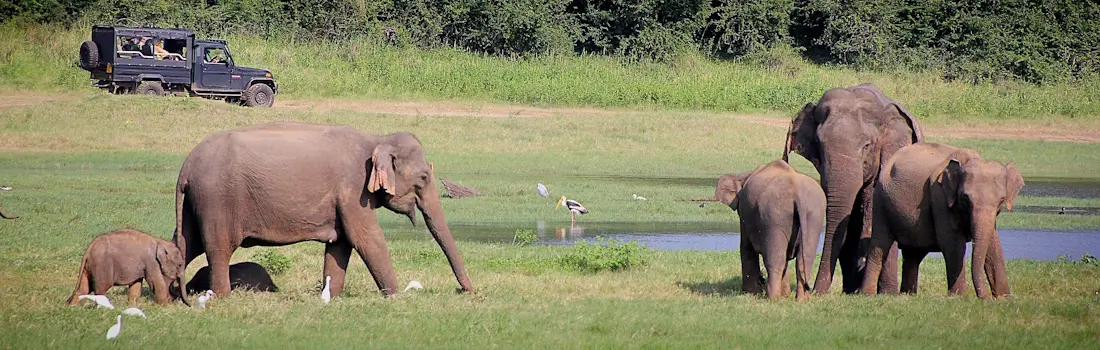
Experiences like those we had with Kulu Safaris at Yala National Park, Sri Lanka are a great way to see wildlife in their natural habitat.
3 – Support Rescues That Offer Rehoming
In some cities, cat or dog cafés partner with local shelters to help find animals new homes. These can be ethical if:
Ask questions or research before you go – it’s worth the effort to support those doing it right.
4 – Spend Time at Nature Reserves or Wildlife Corridors
Instead of a café, spend time walking through reserves or conservation areas. Many locations offer incredible wildlife experiences – no artificial environments required.
If you’d rather see animals in natural settings, you might like:

Not all animal cafés are unethical, but many raise serious concerns. Those featuring exotic animals are the most problematic. Cafés that work with local rescues, limit interaction, and prioritise welfare may offer more ethical models, particularly with cats or dogs.
Look for:
If this information isn’t provided or easily available, that’s a red flag
Some are. Cat cafés that work with shelters and have strict welfare protocols can be ethical. But others may prioritise constant interaction, overstimulation, or operate as for-profit businesses without transparency.
Exotic animals, like owls, raccoons, and capybaras, are not domesticated. They are often nocturnal, stressed by crowds, and may have been sourced through unethical or illegal channels. Their needs cannot be met in a café environment.
If the animals choose to interact, are well cared for, and not over-handled, it might be okay. But you must assess the environment carefully. If you’re unsure, it’s best to avoid physical interaction and support animal-friendly options instead.
There’s no doubt that animal cafés are appealing, with the promise of warmth, connection, and novelty, especially when we’re far from home and craving comfort. But as travellers who care about animal welfare, we have to ask harder questions.
Here’s the blunt truth: most animal cafés, especially those using exotic species, don’t meet an ethical standard. They design the experience for people first, not for animal welfare.
That said, some cat and dog cafés do try to get it right. The better ones support rehoming and build the space around the animals’ needs, not customer demand. But these are the exception, not the rule.
Ask Yourself:
If you’re not sure, it’s okay to walk away. Choosing not to participate is a powerful decision, one that supports places where animals are respected, not commodified.
📎Want to learn more? Explore my full guide to Ethical Animal Tourism.
If a café uses wildlife or exotic animals, I don’t recommend going. And even with cat or dog cafés, I only support them when they prioritise welfare, limit handling, and stay transparent about sourcing, vet care, and what happens when animals age out.
If you want a simple way to assess any animal experience while travelling, read: How to Tell If an Animal Encounter Is Ethical.
And if you’d like ethical alternatives where you can see animals in more natural settings, you might also enjoy:
For more animal welfare and wildlife travel stories, follow along on Instagram and Facebook.
Hi, I’m Lisa Bundesen - the voice behind The Middle Age Wanderer. I’m a retired chartered accountant turned passionate traveller and photographer. Alongside my husband Darren (and with our two fur babies waiting at home in Australia), we explore the world one adventure at a time.
I’ve travelled to over 35 countries, and I created this blog to inspire fellow travellers in their 50s, 60s, and beyond to embrace adventure. Whether it’s hiking ancient trails, diving into new cultures, or sipping wine in scenic places, I believe life after 50 is the perfect time to explore more.
Here, you’ll find honest travel advice, destination guides, and real stories to help you travel smarter and with more confidence - because age is not a barrier, it’s an invitation.


Hi, I’m Lisa, a 50+ retired chartered accountant. My husband, Darren, and I explore the world every opportunity we get. Staying fit is key to our adventures, from hiking the Inca Trail to scuba diving. We call Australia home but travel overseas often, always eager to discover new cultures, bustling cities, cuisines, nature and wildlife.
We would love you to join us on our journeys and hope that our adventures give you encouragement to explore this amazing world.
As Seen On

Recent Posts




Action Camera We Use

How We Research Flights

How We Protect Our Laptop

Our Hiking Guide

Related Posts