


Spotting a wild leopard in Sri Lanka is one of the most exhilarating wildlife experiences you can have, but it’s also one of the most fragile.
During our visit to Yala National Park, we went on six safaris over three days with Kulu Safaris and were fortunate to see three leopards, including a young male resting alone on a quiet track. No other 4WDs. No stress to the animal. Just a peaceful moment made possible by a guide who knew how to read the land and the signs, like alarm calls from monkeys indicating a predator nearby.
These respectful, undisturbed encounters are becoming harder to come by. Sri Lanka’s leopard population is declining, and unethical safari practices are part of the problem.
As someone who spent nearly a decade on the board of one of the Southern Hemisphere’s largest animal welfare organisations – caring for over 45,000 animals a year, half of them wildlife – I’ve seen firsthand how tourism can either support or endanger conservation efforts.
This guide will help you experience Sri Lanka’s leopards ethically and responsibly. You’ll learn where to go, when to go, what to avoid, and how to choose a safari that puts wildlife first.
The Sri Lankan leopard (Panthera pardus kotiya) is not just a national icon, it’s also one of the island’s most vulnerable predators. Their numbers are under pressure due to habitat fragmentation, vehicle collisions, human conflict, and unregulated tourism.
While national parks like Yala and Wilpattu offer great chances to see these elusive cats, the growing demand for wildlife safaris has created its own set of problems. In popular parks, sightings are often shared between 4WD drivers over the radio. When a leopard is spotted, multiple vehicles rush to the area, surrounding the animal and often blocking its escape. This disrupts the natural behaviour of the leopard and can stress it into hiding, or worse, into human conflict.
With my animal welfare experience, I’ve seen how well-meaning tourists can unintentionally support harmful practices. The thrill of spotting a leopard can easily turn into a scene of overcrowding, noise, and exploitation, unless we choose better.
That’s why ethical leopard tourism matters. When done right, it not only protects the leopards and their habitats but also gives travellers more rewarding, respectful encounters in the wild.
If you’re planning a safari, be sure to read my guide on ethical animal tourism to ensure your wildlife encounters support conservation.
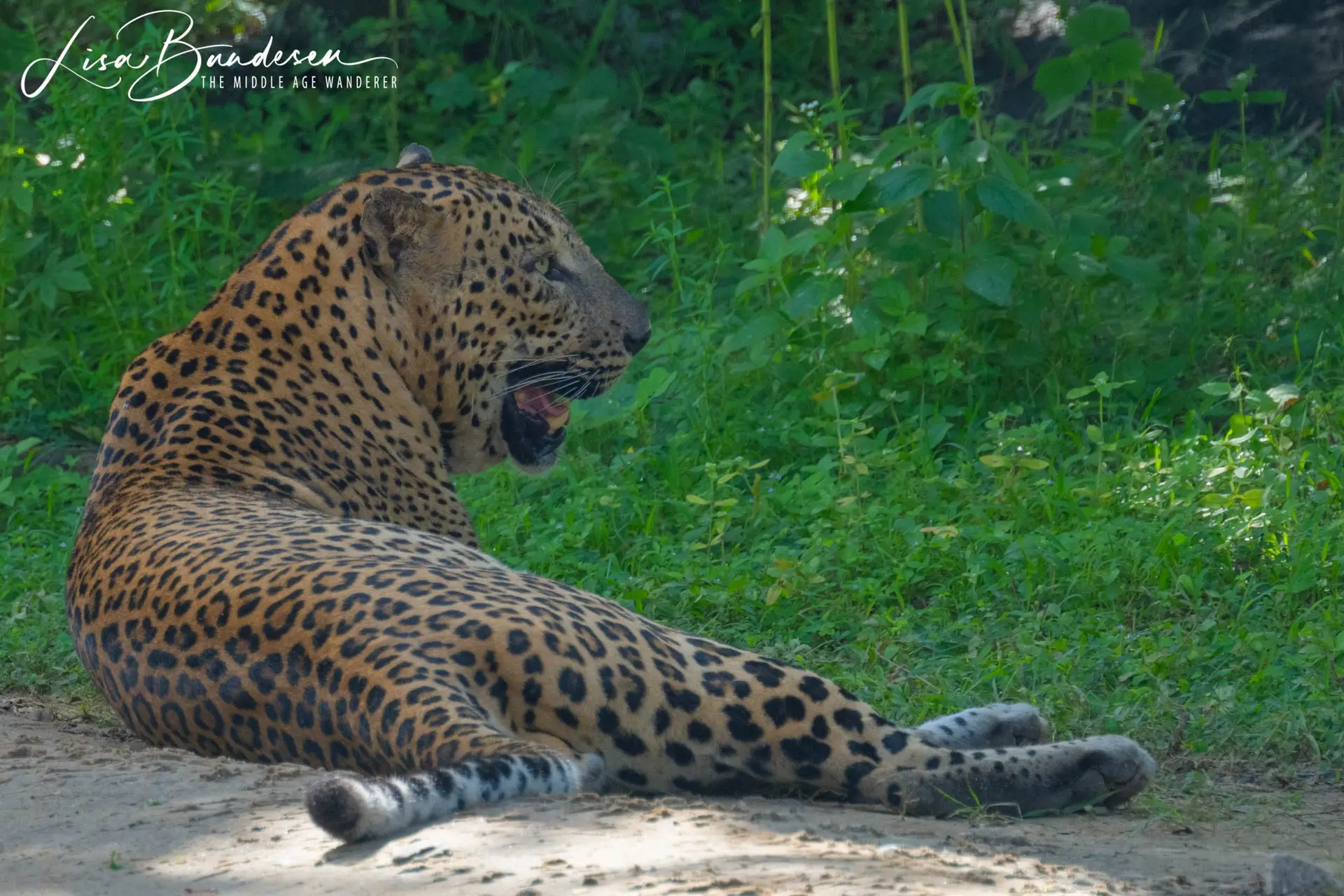
Sri Lanka offers some of the world’s most exciting leopard safaris, but not all parks are created equal. From the dense forests of Wilpattu to the vast plains of Yala, each destination offers its own style of safari and ethical challenges.
Here’s where to go for the best chance of seeing these elusive cats, responsibly.
If seeing a leopard is top of your wish list, Yala is your best bet. It’s home to the highest leopard density in the world, particularly in Blocks I and II. But that popularity comes at a cost. When a leopard is spotted, it’s common for dozens of 4WDs to rush to the location, crowding the animal and making it flee before most tourists even get a glimpse.
That’s why who you safari with matters just as much as where you go.
We spent three days in Yala with Kulu Safaris and completed six game drives. Thanks to their expert guides, we had three leopard sightings, each completely different and all deeply memorable.
This is the difference a skilled, ethical guide can make: sightings that feel private, respectful, and rooted in understanding the natural behaviour of these incredible animals.

Wilpattu offers a different kind of leopard safari, one that’s quieter, slower, and more immersive. The park’s name means “land of lakes,” and its dense forests and water bodies create a lush, biodiverse landscape. Leopard sightings here are less frequent than in Yala, but when they happen, they’re often more intimate and less crowded.
For those with patience and a love of unspoiled wilderness, Wilpattu is a rewarding choice.
With the rise of wildlife tourism in Sri Lanka, not all leopard safaris are created equal. Ethical tours protect wildlife, respect their space, and offer travellers deeper, more meaningful experiences. Here’s how to spot a safari that puts leopards first:
1 – Skilled Guides Who Track, Not Chase
The best guides don’t rely on radio chatter or follow crowds. They use natural signs – tracks, alarm calls, recent kills – to locate leopards without disturbing them. Ethical safaris allow the animal to remain relaxed in its environment, rather than triggering its flight response.
On a few occasions, we noticed other 4WD drivers quietly following our Kulu Safaris vehicle, not because they had inside info, but because Kulu’s guides were well respected within the park. Their ability to read the landscape and interpret subtle animal signals has earned them a reputation as some of the most skilled trackers in Yala.
2 – Small Group Sizes and Quiet Observing
Ethical operators limit the number of guests per 4WD and maintain a respectful silence during sightings – no revving engines, no shouting. Just stillness – so you can genuinely observe.
3 – No Off-Roading or Blocking Paths
Responsible drivers stay on marked trails and never corner a leopard or block its movement. If a leopard is heading toward the road, a good guide will wait, not drive ahead to “cut it off” for a better photo.
4 – Respecting Sightings – Not Crowding Them
When a leopard is spotted, ethical drivers don’t rush to join the pack. They either find alternate viewing points or wait for the chaos to subside before approaching. Sometimes, they’ll skip the sighting entirely if it’s overcrowded, a rare but admirable move that puts the animal first.
5 – Conservation Awareness
Look for tour companies that support local conservation or contribute to park maintenance. They often educate guests on leopard behaviour, ecosystem balance, and what it means to be a responsible wildlife tourist.
Choosing ethical operators doesn’t just make you a better traveller, it also leads to richer, quieter, more respectful encounters with these rare cats.

Booking a leopard safari in Sri Lanka can be overwhelming, especially when every operator claims to offer “the best experience.” Here’s how to cut through the marketing and book a safari that’s genuinely responsible, rewarding, and aligned with wildlife conservation values.
1 – Choose Operators with a Conservation Focus
Look for companies that prioritise ethics over volume. Do they limit guest numbers per drive? Do they contribute to park conservation or local communities? Operators like Kulu Safaris are a great example, blending luxury with low-impact practices and deep respect for wildlife.
2 – Read Reviews with a Critical Eye
Scan TripAdvisor, Google, and safari forums not just for star ratings, but for comments about crowding, animal behaviour, and guide knowledge. Watch for red flags like “we saw leopards every time because our driver raced to them”.
Avoid weekends and public holidays when local tourism peaks and traffic increases in the parks.
4 – Pack the Right Gear
Being prepared helps you enjoy even distant sightings:
5 – Book with Trusted Platforms
Use verified platforms like:
These services offer user reviews and customer support, making them more secure for ethical travellers.

Even well-meaning travellers can unintentionally support harmful practices. To make sure your presence benefits wildlife, not harms it, steer clear of these common red flags when booking or joining a leopard safari:
1 – Radio-Driven Leopard Chases
In many parks, especially Yala, guides use radios to broadcast leopard sightings. This results in multiple 4WDs converging on the same location at high speed, disturbing the animal and overwhelming the sighting. Ethical operators don’t rely on radios to track wildlife.
2 – Overcrowded 4WDs
Some operators maximise profit by cramming too many guests into one vehicle. This often leads to noise, chaos, and pressure on the guide to deliver a “show.” A responsible safari keeps group sizes small and focused on the experience, not just ticking off sightings.
3 – Blocking or Encircling Wildlife
Unethical drivers may cut off a leopard’s path or crowd around it to force a better view for guests. This is highly stressful for the animal and alters its natural behaviour. If your driver engages in this, speak up, or don’t book with them again.
4 – “Guaranteed” Leopard Sightings
Wild animals don’t operate on schedules. Any operator claiming guaranteed leopard sightings is either exaggerating or using unethical methods like baiting or high-speed chasing. Real wildlife experiences come with no promises, and that’s part of the magic.
5 – Operators That Can’t Answer Ethical Questions
If a tour provider can’t clearly explain how they avoid animal stress, consider it a red flag. Transparency is a hallmark of ethical tourism.
By knowing what to watch out for, you can protect your own experience and help protect one of Sri Lanka’s most vulnerable species.
Seeing a leopard in the wild is a rare and breathtaking experience, but it’s not just a photo opportunity. It’s a privilege. One that comes with the responsibility to ensure these animals remain wild, safe, and undisturbed.
Ethical leopard safaris might not promise the closest or most dramatic sightings. Still, they offer something far more valuable: a deep respect for the animal, the environment, and the balance of nature. The stillness. The silence. The chance to observe a leopard behaving naturally, even if from a distance – these are the moments that stay with you long after the camera is packed away.
By choosing responsible operators, asking the right questions, and being mindful during your safari, you’re not only enriching your own experience – but you’re also contributing to the future of Sri Lanka’s most iconic predator.
Where is the best place to see leopards in Sri Lanka?
Yala National Park is your best bet, with the highest leopard density in the world. Wilpattu is a quieter alternative that also offers excellent leopard sightings, though they’re less frequent.
Are leopard safaris in Sri Lanka ethical?
Some are, some aren’t. Ethical safaris limit 4WD traffic, avoid radio-led chases, stay quiet, and never block or encircle animals. Always research the operator before booking.
Can I see leopards all year round in Sri Lanka?
Yes, leopards are present year-round, but visibility is best during the dry seasons: February to July in Yala, and May to September in Wilpattu.
What time of day is best to see leopards?
Early mornings and late afternoons are prime times for sightings. Leopards tend to be more active during these cooler hours.
What makes an ethical leopard safari different?
Ethical safaris prioritise the welfare of the animal over the convenience of the tourist. They avoid chasing leopards, respect distance, and rely on expert tracking rather than crowd-based tactics.

Hi, I’m Lisa Bundesen - the voice behind The Middle Age Wanderer. I’m a retired chartered accountant turned passionate traveller and photographer. Alongside my husband Darren (and with our two fur babies waiting at home in Australia), we explore the world one adventure at a time.
I’ve travelled to over 35 countries, and I created this blog to inspire fellow travellers in their 50s, 60s, and beyond to embrace adventure. Whether it’s hiking ancient trails, diving into new cultures, or sipping wine in scenic places, I believe life after 50 is the perfect time to explore more.
Here, you’ll find honest travel advice, destination guides, and real stories to help you travel smarter and with more confidence - because age is not a barrier, it’s an invitation.


Explore the World with Us!
Join our newsletter for travel advice, tips and inspiration.
Hi, I’m Lisa, a 50+ retired chartered accountant. My husband, Darren, and I explore the world every opportunity we get. Staying fit is key to our adventures, from hiking the Inca Trail to scuba diving. We call Australia home but travel overseas often, always eager to discover new cultures, bustling cities, cuisines, nature and wildlife.
We would love you to join us on our journeys and hope that our adventures give you encouragement to explore this amazing world.
Some of the links below are affiliate links, meaning, at no additional cost to you, I will earn a commission if you click through and make a purchase. This helps me to keep bringing you travel updates and news. See my Disclosure Policy for more information.
I only recommend companies and products that I personally use.
Explore the World with Us!
Join my newsletter for travel advice, tips and inspiration.
As Seen On

Recent Posts




Categories
Action Camera We Use

Where We Book Accommodation
How We Research Flights

How We Protect Our Laptop

Our Hiking Guide

Related Posts
Tipping in Sri Lanka in 2026: How much to tip drivers, hotel staff, safari guides & more. Updated advice for tourists with practical examples.

Is Sri Lanka safe for older travellers? This guide covers health care, scams, transport, and safety tips based on real experiences and expert advice.

Plan the perfect 2 day Colombo itinerary: explore temples, museums, markets, and oceanfront dining in Sri Lanka’s lively capital city.

Discover 13 unforgettable things to do in Colombo, Sri Lanka for first-time visitors: from temples to food, history, and hidden gems in Sri Lanka’s capital.

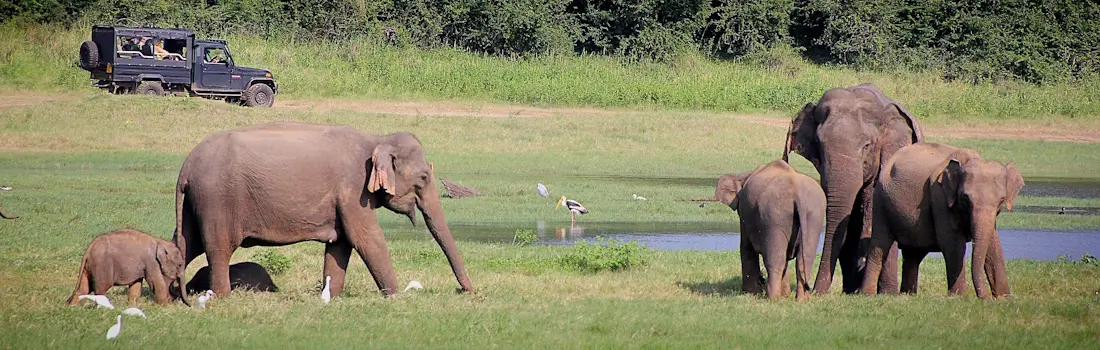
Experience the incredible wildlife in Sri Lanka, where elephants, leopards, and whales roam free. This guide highlights the best national parks, when to visit, and how to enjoy ethical safaris that let you connect with nature while respecting the animals that make Sri Lanka so unique.