
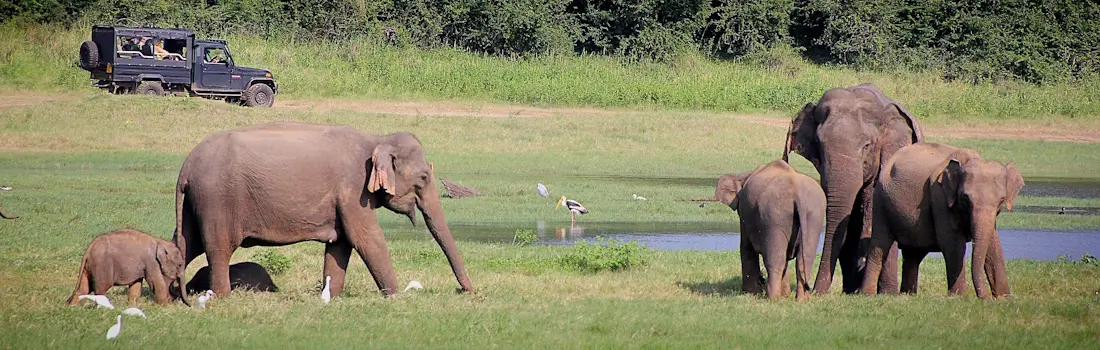


Have you ever wondered how to capture a leopard’s silent steps or an elephant’s stride? Whether you’re heading into Yala National Park or spotting birds in Wilpattu, having the right camera gear for a safari can make all the difference.
In this guide, we’ll look at the best camera for a safari in Sri Lanka, from smartphones to professional cameras, and what gear suits each type of wildlife. We’ll also help you choose the right camera lens for safari adventures.
Pros:
Cons:
Recommended Models:
Best for: Elephants, water buffalo and animals close to the vehicle.
My Choice: I use the iPhone because my tech is Apple, but the Samsung Galaxy is a top pick if you’re in the Android camp. Both take stunning photos!


Pros:
Cons:
Recommended Models:
Best for: Capturing the feel of the ride, wide-angle landscape shots, and moments when animals are moving near you.
My Choice: I still use my older GoPro Hero 10 and love my DJI Osmo Action 5 Pro. Both are rugged and deliver excellent footage on safari. The Insta360 Ace Pro 2 is also a great option.
This footage was taken with our GoPro Hero 10.
Read our comprehensive guide “Ethical Animal Tourism – 9 Things to Consider“. This article steps you through understanding what ethical animal treatment is and how to determine if an animal encounter is ethical.
Pros:
Cons:
Recommended Models:
Best for: Safari storytelling, smooth walking videos, and capturing animals on the move.
My Choice: I currently use the DJI Osmo Pocket 3 because of its great stabilisation, but I’m also planning to invest in the Insta360 X5 before our next big adventure.
This footage was taken with the original DJI Osmo Pocket before we upgraded to the Pocket 3.
Pros:
Cons:
Recommended Models:
Best for: Casual photographers who want good-quality images without the bulk. It’s great for medium-range animal shots like elephants or birds.
My Choice: All three are excellent choices. I don’t personally use a point-and-shoot, as I shoot with a mirrorless camera, but they’re perfect for travellers who want high-quality photos without carrying heavy gear.

Pros:
Cons:
Recommended Models:
Best for: Serious wildlife photography. Perfect for distant animals like leopards, birds, or shy deer.
What Camera Lens for Safari?
A telephoto lens is essential if you’re taking a mirrorless or DSLR. Aim for:
My Choice: I shoot with the original Nikon Z7 and love it. Paired with a 100–400mm lens, it’s perfect for spotting leopards or tracking elephants.


Choosing the best camera for a safari depends on what kind of memories you want to bring home. Ask yourself:
Thinking about what matters most to you will help narrow down your choices.

Are you thinking of taking a drone to Sri Lanka? Read our comprehensive guide on “Can You Fly a Drone in Sri Lanka?“. It goes through the steps you need to follow to apply for a permit to fly your drone as well as what you need to do each time you fly your drone.
Do I really need a big camera for a safari?
Not necessarily. If you’re happy capturing memories and close-up moments, a smartphone or compact camera might be enough. But if you want detailed shots of animals from a distance, a DSLR or mirrorless with a long lens is best.
Is it safe to take expensive camera gear on safari?
Yes, but take precautions. Use padded bags, don’t leave gear unattended, and keep it out of direct sun. Many safari vehicles have space to store cameras safely during drives. Also, make sure your travel insurance covers your camera gear – just in case anything goes wrong.
What’s the best lens size for photographing wildlife like leopards and elephants?
A telephoto lens of at least 300mm is ideal. For more serious wildlife photography, something in the 400–800mm range will give the best reach and clarity.
Can I charge my camera batteries during a safari?
Most lodges and safari vehicles have charging options, but power can be limited. Always bring extra batteries and a portable power bank just in case.
How do I protect my camera from dust and heat?
Use a camera cover or wrap, keep accessories in zip-lock bags when not in use, and clean it regularly with a soft brush and cloth. Avoid changing lenses in dusty areas.

The answer depends on your goals. A DSLR or mirrorless camera with a good telephoto lens is the best choice if you’re after professional wildlife shots. But if you want to travel light and capture memories easily, a smartphone or compact camera might be all you need.
Whatever you choose, remember – the best camera is the one you have when that leopard appears out of nowhere.


Hi, I’m Lisa, a 50+ retired chartered accountant. My husband, Darren, and I explore the world every opportunity we get. Staying fit is key to our adventures, from hiking the Inca Trail to scuba diving. We call Australia home but travel overseas often, always eager to discover new cultures, bustling cities, cuisines, nature and wildlife.
We would love you to join us on our journeys and hope that our adventures give you encouragement to explore this amazing world.
Some of the links below are affiliate links, meaning, at no additional cost to you, I will earn a commission if you click through and make a purchase. This helps me to keep bringing you travel updates and news.
I only recommend companies and products that I personally use.
Explore the World with Us!
Join my newsletter for travel advice, tips and inspiration.
As Seen On
Recent Posts
Categories
Action Camera We Use
Where We Book Accommodation
How We Research Flights
How We Protect Our Laptop
Our Hiking Guide
Related Posts

Tipping in Sri Lanka in 2026: How much to tip drivers, hotel staff, safari guides & more. Updated advice for tourists with practical examples.

Is Sri Lanka safe for older travellers? This guide covers health care, scams, transport, and safety tips based on real experiences and expert advice.

Plan the perfect 2 day Colombo itinerary: explore temples, museums, markets, and oceanfront dining in Sri Lanka’s lively capital city.

Discover 13 unforgettable things to do in Colombo, Sri Lanka for first-time visitors: from temples to food, history, and hidden gems in Sri Lanka’s capital.

Experience the incredible wildlife in Sri Lanka, where elephants, leopards, and whales roam free. This guide highlights the best national parks, when to visit, and how to enjoy ethical safaris that let you connect with nature while respecting the animals that make Sri Lanka so unique.