


Some of the links below are affiliate links, meaning, at no additional cost to you, I will earn a commission if you click through and make a purchase. This helps me to keep bringing you travel updates and news. See my Disclosure Policy for more information. I only recommend companies and products that I personally use.
It’s one thing to want to do the right thing when it comes to animals in tourism: it’s another to know how.
On the surface, many animal experiences look harmless or even helpful. Some may even be labelled as “ethical” or “sanctuary” experiences. But those labels aren’t always backed by real standards, and without a clear understanding of animal welfare, it’s easy to be misled.
That’s why I’ve put together this guide.
After more than nine years on the board of RSPCA Queensland, home to the largest wildlife hospital in the Southern Hemisphere, and a lifetime of animal advocacy, I’ve seen how easily people can be drawn into well-meaning but exploitative experiences.
This post is here to help. These 15 practical tips will give you the tools to spot red flags, ask the right questions, and choose animal encounters that genuinely align with ethical principles, not just clever marketing.
And if you haven’t already, I recommend starting with the companion piece, “What Is Ethical Animal Tourism?“, which lays the foundation for understanding animal welfare in travel.
Whether you’re booking a wildlife tour, visiting a sanctuary, or just exploring a new destination, knowing what’s ethical and what’s not, can be challenging. Even well-meaning travellers can be misled by clever marketing or unfamiliar cultural norms.
That’s why this guide focuses on actionable signs: things you can look for, ask about, or observe before (or during) an encounter. Ultimately you need to ask if the animal you are encountering has “a life worth living“.
These tips won’t just help you avoid harmful experiences; they’ll help you support the kind of tourism that truly puts animal welfare first.
The most ethical animal encounters are the ones where animals remain wild, free to live in their natural environment without human interference. Observing animals in the wild not only offers the most authentic experience, but it also aligns best with animal welfare science.
When animals live in the wild, they can express natural behaviours like foraging, socialising, and hiding when they feel threatened. These are key indicators of good welfare under the Five Domains, particularly in behavioural interactions and mental state. Wild animals that are free to roam are also less likely to experience chronic stress, frustration, or boredom, all of which are signs of compromised mental health.
On my own travels, I’ve been privileged to watch leopards moving gracefully through the jungle in Yala National Park, Sri Lanka, and to witness whales breaching off the coast of Queensland, Australia. These moments were powerful precisely because the animals were in control, choosing how close to come, how long to stay, and when to disappear back into the wild.
But remember, just because an animal is outside doesn’t mean the encounter is ethical. Boats that chase dolphins, drones that buzz birds, or off-road vehicles that get too close can still cause distress. The best wildlife tours follow strict viewing guidelines, respect animal space, and keep visitor numbers low to minimise disruption.
In the photo below, we were hiking at Cradle Mountain, Australia. We made no attempt to touch the wombat or make noise around it. It happily walked almost up to us, posed perfectly for some photos, then wandered off. If you love wombats as much as we do, you can read our article on Where to See Wombats in Australia.
If you’re looking for animal-friendly adventures that don’t compromise on ethics, hiking is a great option – no cages, no crowds, just you and the wild. I use AllTrails to find scenic trails wherever I go, from coastal walks to rainforest treks.

Before booking any animal-related experience, take time to dig a little deeper. A glossy brochure or beautiful website may paint a positive picture, but that doesn’t always reflect what’s happening behind the scenes.
Start by looking for transparency. Reputable operators will usually be clear about their animal welfare policies, staff expertise, and accreditation. Do they mention conservation outcomes? If you can’t find any information about how animals are sourced, housed, or treated, that’s a red flag.
Go beyond their own marketing. Look for independent reviews, travel blogs, or social media posts from visitors. But even here, be cautious: just because someone took a smiling selfie with a tiger doesn’t mean the experience was ethical.
A few research tips:
Doing your research not only protects animals but also protects you from unintentionally funding cruelty.

One of the most sensitive, but important things to recognise as a traveller is that not all traditions are ethical. Just because something is labelled as “cultural” or “historic” doesn’t mean it should be supported today.
All over the world, animals are still used in traditional practices that cause real pain and distress – things like cockfighting, bullfighting, and even rodeos. These customs might be tied to local identity, but that doesn’t automatically make them okay, especially when we look at them through the lens of modern animal welfare science.
As tourists, we aren’t here to judge other cultures, but we do have a responsibility to choose where our money goes. Ethical tourism means making respectful but conscious choices. That might mean skipping a traditional show that uses elephants or choosing not to attend a “heritage” event that involves live animals being paraded, whipped, or confined.
Here’s a helpful lens: If a practice causes physical or mental harm to an animal, and that harm is necessary for the performance or display, it should be questioned, regardless of cultural context.
You can still engage with local culture in meaningful ways. Choose experiences that showcase traditional food, music, dance, or craft without involving animal exploitation. Supporting ethical tourism doesn’t mean avoiding culture. It means choosing the parts of culture that align with compassion and respect.
If you’re unsure whether a particular experience is ethical, resources like PETA’s article on The 14 Worst ‘Festivals’ Still Taking Place Today (WARNING: this is distressing) can be eye-opening. It details events around the world where animals are still tortured, maimed, or killed in the name of tradition, and it’s a reminder that we don’t have to participate in cruelty to respect a culture.
Food can be one of the most exciting parts of travel, a window into a region’s culture, history, and everyday life. But it can also be one of the most overlooked areas when it comes to animal welfare.
In some countries, you may see exotic meats offered as delicacies, including bushmeat, endangered species, or animals that have been caught or raised in inhumane conditions. Just because something is legal or available doesn’t make it ethical. In fact, the consumption of certain animal products can directly support industries that involve poaching, smuggling, or cruel confinement.
For example, you can still find whale meat on the menu in a number of restaurants in Reykjavik, Iceland, but most Icelandic people don’t actually eat it. It’s listed for the benefit of tourists. When we travelled there, we adopted a simple rule: if whale meat was on the menu, we didn’t eat at that restaurant.
Other commonly available items include bluefin tuna, shark fin soup, and caribou, all of which raise serious sustainability and welfare concerns. This article highlights ten endangered species that are still legal to eat in some parts of the world and why you shouldn’t.
Ethical animal tourism includes thinking about what we consume as well as what we visit. Ask yourself:
If you’re unsure, opt out. There’s no shame in choosing something else on the menu. In fact, your decision not to order that dish can be a quiet but powerful form of advocacy.
Travelling ethically doesn’t mean missing out on food culture; it means participating in a way that’s respectful to all life.

We’ve all seen the photos: a tourist cradling a baby monkey, someone posing with a snake draped around their neck, or crouching beside a cheetah for a “once-in-a-lifetime” shot. These images may look harmless on the surface, but they’re often the result of cruelty, coercion, and deep emotional distress for the animal.
During one of my own trips, I witnessed a lioness being dragged out of a pen at a zoo in Egypt so tourists could pat her and take photos. She looked sedated – barely able to move. It was a confronting reminder that these animals aren’t “posing” willingly. They’re often drugged, declawed, chained, or physically punished into submission to make them appear safe for human interaction.
True sanctuaries and conservation programs don’t allow hands-on interactions with wild animals. If you’re allowed to hold, pet, cuddle, or take selfies with wildlife, that’s a red flag. It almost always means the animal’s natural instincts are being suppressed, a clear violation of their right to express normal behaviours and avoid fear or distress (as outlined in both the Five Freedoms and Five Domains).
Some key signs of an unethical photo-op:
It might feel like “just one photo,” but every picture taken is a vote of support for that practice. Instead, opt for wildlife experiences that let you observe animals behaving naturally, with a camera lens at a respectful distance.

If animals are performing for an audience – doing tricks, riding bikes, painting pictures, or being paraded around in costumes – chances are high that cruelty is involved behind the scenes.
These performances may be marketed as fun, educational, or even “rescued animals showcasing their intelligence”. Still, in most cases, the animals have been subjected to harsh training methods designed to break their natural behaviours. This often involves fear, punishment, isolation, and sometimes physical abuse. Elephants don’t naturally stand on their front legs. Monkeys don’t willingly ride bicycles. These acts are not displays of talent – they’re displays of trauma.
I’ve witnessed this firsthand in Thailand, where elephants were forced to perform for tourists, swaying to loud music and carrying people on their backs in searing heat. While these activities may look like harmless fun, they represent a complete breakdown of the animal’s right to a life worth living.
Some red flags to watch for:
Ethical tourism avoids entertainment at the expense of an animal’s dignity. Instead, look for experiences where animals are observed behaving naturally, not coerced into being the main act.
When we think of animal tourism, we often focus on wildlife, but domestic animals are just as vulnerable to exploitation. Donkeys, camels, horses, and oxen are commonly used in tourism around the world, especially in places with historical sites, deserts, or mountainous regions. While these animals are domesticated, it doesn’t mean their welfare is guaranteed.
In many tourist hotspots, domestic working animals are overworked, underfed, or made to carry loads far heavier than they should. They may be forced to work in extreme heat without rest or water, and poorly maintained tack or saddles can cause painful injuries that go untreated.
I also need to say that I have serious issues with horse carriage rides in cities. The horses can be spooked by traffic noise, can be involved in traffic accidents (and the horse rarely, if ever, comes out ok), and can fall onto bitumen, causing serious injury. For these reasons, I never take horse carriage rides in cities.
As a traveller, you can look out for signs that these animals are being treated well or poorly. Consider:
It’s also worth asking the operator how the animals are rotated, how many days per week they work, and what kind of veterinary care they receive.
Some destinations are starting to take action. For example, Greece has banned overweight tourists from riding donkeys on the island of Santorini after animal welfare concerns made global headlines. You can read more about it in this article from The Mirror. It’s a step forward, showing that the well-being of domestic animals is finally being taken seriously.

Not all animal experiences are created equal, and often, the key difference comes down to the operator behind them. A reputable operator puts animal welfare front and centre, while an unethical one might cut corners, mislead customers, or prioritise profit over compassion.
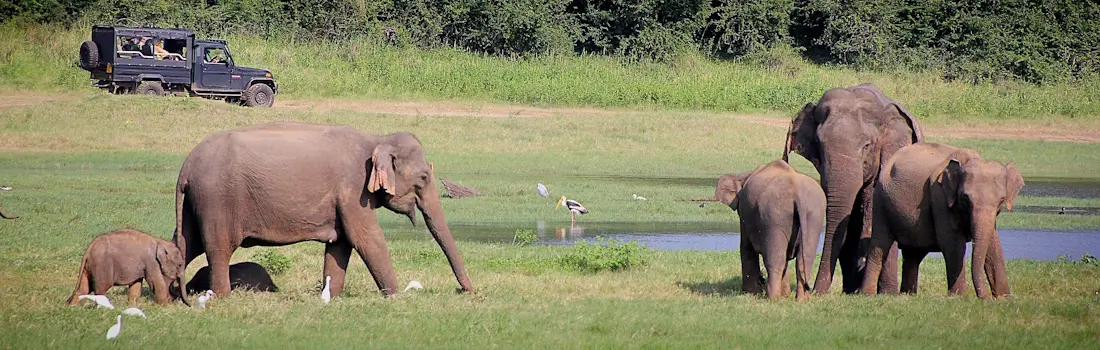
On a trip to Yala National Park in Sri Lanka, we toured with Kulu Safaris, a company that takes conservation seriously. One moment that stayed with me was watching our guide become visibly angry at local drivers who were throwing food at wild elephants. While these elephants naturally wander near roads, many tuk-tuk and car drivers toss food out their windows – not to help the elephants, but to distract them from approaching their vehicles. The result? Elephants begin to associate vehicles with food, which creates a dangerous, self-reinforcing cycle of dependency and risk for both animals and people.
Ethical operators like Kulu don’t just run tours; they educate guests, stand up for animal welfare, and advocate for long-term conservation. These are the kinds of providers you want to support.
When booking a tour or visiting an animal facility, look for those who:
Reviews from past travellers are helpful, just remember that a “5-star experience” doesn’t always mean it was ethical behind the scenes. I always go to the 1 and 2-star reviews to see if there are any comments related to animal welfare.
Ethical travel isn’t about perfection; it’s about intentional choices. Choosing an operator that shares your values means your money supports better outcomes for animals, local communities, and the environment.
If you are looking for a reputable safari host in Yala National Park, Sri Lanka, you can’t go past Kulu Safaris.

One of the most powerful things you can do as a traveller is sharing your positive experiences, especially those with ethical operators who are doing the right thing. Responsible animal tourism can’t thrive without support, and your voice plays a role in helping others make better choices.
If you’ve visited a sanctuary, safari, or wildlife reserve that prioritised animal welfare, conservation, and education, talk about it. Post photos (respectfully taken at a distance), leave reviews, write blog posts, or simply recommend it to friends and family. These endorsements help steer attention and bookings toward places that deserve it.
On the flip side, don’t be afraid to speak up if you witnessed something that didn’t sit right with you. A thoughtful review can warn others and potentially pressure operators to improve. Keep it factual, constructive, and focused on animal welfare, not just the tourist experience.
Here’s what you can do:
Word-of-mouth matters. And when it comes to protecting animals, silence helps the wrong businesses succeed. Let your travel choices and your voice be part of the solution.
While browsing local markets can be a fun part of travel, some souvenirs may come at a serious cost to animal welfare. Products like shark teeth, tortoiseshell jewellery, fur, and exotic leathers often involve illegal trade or cruel practices. Even if the item is small or seems common, buying it helps sustain industries that harm wildlife and push species closer to extinction.
It’s not always obvious. Some souvenirs may be labelled as “ethical,” “antique,” or “locally sourced,” even when they are not. If there’s any doubt, don’t buy it. Choose instead to support local artisans who use sustainable, cruelty-free materials.
Attempting to bring these types of items back home may also violate CITES – the Convention on International Trade in Endangered Species of Wild Fauna and Flora. This international agreement between governments aims to ensure that wildlife trade does not threaten the survival of species. Breaching it can result in serious legal consequences.
Remember: if the demand stops, the supply stops. What you spend your money on matters.

Many animal tourism operations promote themselves as breeding centres or conservation hubs, but not all captive breeding programs are created equal. Some claim to support wildlife populations, yet the animals are bred for display, trade, or tourism – not for genuine reintroduction into the wild.
Ask critical questions:
In reality, few facilities are equipped to contribute meaningfully to conservation through breeding.
For example, in South Africa, lions are still bred in captivity for unethical tourist experiences and, eventually, trophy hunting. According to World Animal Protection, these animals are exploited for petting and photo opportunities while young and later killed for their bones or as part of canned hunts.
In Cambodia, while the wild Siamese crocodile is critically endangered, crocodile farms have continued breeding them, not for conservation, but for the meat and fashion trades. Many of these crocodiles are now so heavily interbred with other species that they can no longer support genuine conservation goals.
Breeding tigers for selfies or lions to hunt does not qualify as conservation, even if the word “sanctuary” is plastered across the signage.
True conservation breeding is slow, scientific, and focused on the long-term survival of the species, not short-term entertainment or commercial gain.

The word “sanctuary” implies safety, compassion, and care, but unfortunately, it’s not a regulated term in many parts of the world. Just because a facility calls itself a sanctuary doesn’t mean it operates ethically or puts animals first.
Some so-called sanctuaries still allow:
A true sanctuary prioritises the animal’s wellbeing above visitor access. It provides space, enrichment, proper veterinary care, and freedom from unnecessary human interaction. Often, these facilities rescue animals from neglect, abuse, or the exotic pet trade, offering them a peaceful life without performance, breeding, or relocation.
Ask yourself:
If a place allows you to cuddle a lion cub or ride an elephant, it’s not a sanctuary, no matter what the sign says.
One of the most important and most overlooked questions in animal tourism is: where did the animals come from? Ethical organisations will be upfront about this. Some animals may have been rescued from previous exploitation, surrendered by owners, or transferred from other facilities as part of legitimate welfare efforts.
But in many cases, animals, especially exotic ones, are bred specifically for tourism or sourced through questionable means. Some are even taken directly from the wild and sold through illegal wildlife trade networks. This is particularly common with species that are considered “cute,” “exotic,” or photogenic.
If an organisation can’t or won’t provide clear information about sourcing, it’s worth walking away. Genuine rescue and rehabilitation centres will be proud to tell you the story of each animal, not hide behind vague language like “from a breeder” or “found locally”. Where the animal came from often reveals everything about how it’s being treated now.
An example is the Phuket Elephant Sanctuary, which I’ve personally visited. They provide a final home for elephants rescued from the tourism and logging industries – animals that are often too old or injured to continue working. The sanctuary does not allow bathing with elephants or forced interactions. Instead, the focus is on creating an environment where the animals can rediscover natural behaviours, socialise freely, and truly live a life worth living, even after enduring years of exploitation.

Every animal gets older, but not every tourism operation plans for what happens next. One of the clearest signs of an ethical organisation is that it takes full responsibility for an animal’s life, not just the years when it’s profitable or photogenic.
Ask questions like:
Facilities that truly care about welfare will be transparent about how they manage aging animals. If they dodge the question, or if animals seem to simply “disappear,” that’s a red flag. Lifelong care isn’t just a nice-to-have; it’s part of an ethical commitment to the animals they work with.
Before booking or participating in an animal experience, ask yourself:
Yes, and many are even more rewarding when you know they’re responsible. Look for wildlife tours, conservation centres, birdwatching, or animal-free nature experiences like hiking or photography.
No. The word “sanctuary” is often misused. Look for facilities with no hands-on interaction, real conservation credentials, and long-term care plans for their animals.
You’re not alone. Many travellers learn later. The best thing you can do now is talk about it honestly, share resources like this guide, and make different choices going forward.
Research. Read reviews, look for red flags (like photo ops or rides), check for conservation affiliations, and visit websites like World Animal Protection for updated lists and campaigns
Travelling ethically when it comes to animals isn’t about being perfect – it’s about being informed. Every ticket, photo, or purchase is a message. You have the power to support real care, real rescue, and real conservation.
And when we choose experiences that honour animals rather than exploit them, we don’t lose anything, we gain something richer. A deeper connection to the wild. A more meaningful journey. And the knowledge that we’re travelling with empathy, not at someone else’s expense.
Hi, I’m Lisa Bundesen - the voice behind The Middle Age Wanderer. I’m a retired chartered accountant turned passionate traveller and photographer. Alongside my husband Darren (and with our two fur babies waiting at home in Australia), we explore the world one adventure at a time.
I’ve travelled to over 35 countries, and I created this blog to inspire fellow travellers in their 50s, 60s, and beyond to embrace adventure. Whether it’s hiking ancient trails, diving into new cultures, or sipping wine in scenic places, I believe life after 50 is the perfect time to explore more.
Here, you’ll find honest travel advice, destination guides, and real stories to help you travel smarter and with more confidence - because age is not a barrier, it’s an invitation.


Hi, I’m Lisa, a 50+ retired chartered accountant. My husband, Darren, and I explore the world every opportunity we get. Staying fit is key to our adventures, from hiking the Inca Trail to scuba diving. We call Australia home but travel overseas often, always eager to discover new cultures, bustling cities, cuisines, nature and wildlife.
We would love you to join us on our journeys and hope that our adventures give you encouragement to explore this amazing world.
As Seen On

Recent Posts




Action Camera We Use

How We Research Flights

How We Protect Our Laptop

Our Hiking Guide

Related Posts
Are animal cafes ethical? Use this quick decision guide to spot red flags, understand welfare concerns, and choose kinder alternatives that give animals a life worth living.
How to tell if an animal encounter is ethical – learn 14 clear signs to spot responsible tourism experiences, avoid animal exploitation, and travel with confidence.
What is ethical animal tourism? Learn how to recognise truly ethical animal experiences, avoid exploitation, and make responsible travel choices that support animal welfare.