


The top tourist scams in Sri Lanka can catch even savvy travellers off guard – especially if it’s your first visit or you’re over 50 and may stand out as a tourist.
We have travelled through Sri Lanka. While we had an amazing experience, we also encountered the usual pushy tuk-tuk drivers and high-pressure sales tactics. We have travelled enough to recognise the signs – and we always trust our instincts – and that gut feeling helped us avoid situations that just didn’t feel right.
Sri Lanka is generally a safe destination – and petty theft is less common than in many parts of Asia – but that doesn’t mean you should let your guard down. Scams tend to prey on the polite, the curious, and, yes – those of us who may look like we’ve just arrived and don’t want to offend.
In this guide, I’ll walk you through the most common tourist scams you may encounter in Sri Lanka, how to spot them, and what you can do to avoid being caught out. Some are clever, some are pushy, and some are just plain sneaky – but none of them should ruin your trip if you know what to look for.
Tuk-tuks are a popular and fun way to get around Sri Lanka, but they’re also where many tourists first encounter scams.
The most common trick? A driver offers you a ride without discussing the price upfront and then demands an inflated fare when you arrive. Some drivers may even refuse to use the meter or insist it’s “broken”. Others might offer to take you on a cheap tour, only to detour through overpriced shops where they earn a commission.
We experienced this firsthand. Drivers would approach us constantly, often with friendly chatter, trying to get us to hop in quickly before a price was set. The key is simple: if the meter is not running, do not get in. And never feel bad for walking away – a firm “no thank you” and moving on is usually enough.
How to avoid it:
🛺 Want more help navigating transport in Sri Lanka? Read my post: How to Get Around in Sri Lanka.

Sri Lanka is famous for its sapphires and other precious stones, but this reputation has also bred an industry of high-pressure gem sales targeting tourists.
The typical setup starts with a driver, guide, or friendly stranger recommending a “government-approved” gem shop or offering a “special deal.” Once inside, you’re shown dazzling stones and told they’re an amazing investment. The pressure builds quickly – especially if you admit you’re unsure what you’re looking at.
As someone who worked as a forensic accountant for decades and investigated financial fraud professionally, I tend to be more sceptical than most. And even I wasn’t comfortable in these situations. I walked into a few of these shops out of curiosity but quickly realised I was out of my depth. I had no way of knowing if the stones were genuine, reasonably priced, or even legally or ethically sourced. And when it comes to gems, if you can’t confidently verify the quality, it’s best to keep your wallet closed.
How to avoid it:
At major attractions, especially historic or religious sites, it’s common to be approached by locals offering to guide you around. Some are friendly and knowledgeable. Others? Not so much.
Fake guides often claim to work for the site, start walking with you uninvited, or begin explaining things before you’ve even agreed. In the end, they demand payment – sometimes quite aggressively. What’s worse, many of these unofficial guides give out misleading or downright false information.
As we had our own personal guide, we were usually accompanied by someone official at most sites. Even then, our guide often had to step in to stop locals from approaching us and trying to take over the tour. That should tell you how common – and persistent – these unofficial guides can be.
How to avoid it:

Visiting a spice garden in Sri Lanka can sound like a unique cultural experience – and it often starts that way. You’re shown plants like cinnamon, cardamom, and turmeric, given a quick tour, and maybe even offered a free shoulder massage. But things shift quickly.
In the end, you’re herded into a shop where you’re encouraged to buy overpriced oils, creams, and spices – many of which are poorly packaged or not what they claim to be. The sales pitch is strong, and the guilt-tripping can be uncomfortable if you try to leave without buying something.
We visited one of these places during our trip. While the garden itself was interesting, the push to purchase at the end felt awkward and unnecessary. Having travelled extensively, we knew not to feel bad about saying no and walking out – but not everyone feels that confident, especially if it’s their first time in the region.
How to avoid it:

Temples are some of the most beautiful and peaceful places to visit in Sri Lanka, but even here, scams can occur.
One of the more common ones involves fake monks or locals hanging around the entrances or within temple grounds. They may offer you a flower or wristband as a “blessing,” only to demand a donation immediately after. In some cases, they ask for a specific (and surprisingly large) amount, making it feel more like a transaction than a spiritual gesture.
We were approached a few times, especially near the more tourist-heavy temples. Our guide was quick to intervene, but we saw others fall into the trap – caught off guard and unsure whether this was part of the proper ritual or just someone taking advantage.
How to avoid it:
Sri Lanka is primarily a cash-based society, but more places are beginning to accept cards – and that’s opened the door to a different kind of scam.
Some travellers have reported being overcharged when paying by credit card. This can happen in several ways: the amount is entered incorrectly (and not corrected), the card is charged in your home currency with poor exchange rates (also known as Dynamic Currency Conversion), or in the worst cases, the card details are skimmed for fraud later.
We preferred using cash for small purchases and only handed over a card at reputable hotels or larger restaurants. Even then, we checked the total before authorising the payment.
How to avoid it:
📷Planning to take photos on your trip? Don’t miss: The Best Camera for a Safari in Sri Lanka.
🏨We stayed at the Galle Face Hotel in Colombo.

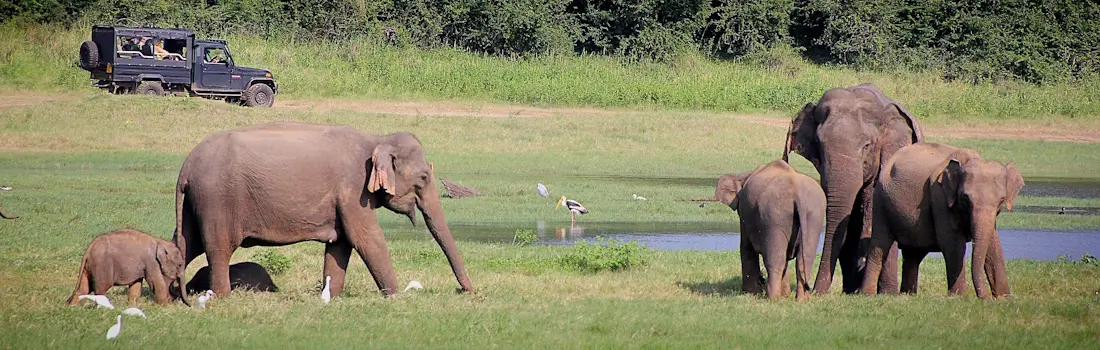
Sri Lanka is home to incredible wildlife – elephants, leopards, whales, and more – and spotting them is a major reason many people visit. However, not all wildlife experiences are created equal.
Some tourists get lured into unethical or even illegal encounters. This can include feeding animals, taking photos with captive creatures, or being promised sightings in areas where wildlife should be left alone. In some cases, unlicensed operators crowd national parks with too many 4WDs, disturbing the animals and putting tourists at risk.
We specifically booked our accommodation and safaris through Kulu Safaris to make sure the experience was ethical. But we still saw examples of over-tourism and irresponsible guiding – and heard stories from other travellers who unknowingly contributed to it by booking on the fly or through informal contacts.
For example, this travel blogger shares a disappointing and deceptive experience at Yala National Park, where he was misled by a local tout into paying for a safari that never even entered the main wildlife area.
How to avoid it:
🐘For a more in-depth guide to doing this right, check out Safari in Sri Lanka: The Ultimate Guide.

Snake charmers can be found near major tourist sites or along busy streets, often drawing crowds with their performances. While it may seem like a harmless photo opportunity, there are a few things to know before you reach for your camera.
First, there’s the ethical side: these animals are often kept in poor conditions, with their fangs removed or mouths sewn shut – and the charmer’s flute-playing has no real hypnotic effect. Second, there’s the scam side: charmers will invite you to watch for free, but once you snap a photo or even glance too long, they demand payment – sometimes quite aggressively.
We noticed a few during our time in Sri Lanka, but we walked on without engaging. We were not going to support any form of unethical animal treatment, and this was an easy decision for us.
How to avoid it:
Compared to many other countries, pickpocketing is less common in Sri Lanka – but it still happens, especially in crowded areas like markets, bus stations, and busy tourist spots.
Typical tactics include distractions (someone bumping into you, dropping something nearby) or targeting travellers with open bags, backpacks worn on the back, or phones sticking out of pockets.
We were never targeted during our trip, but as with anywhere, we took basic precautions: crossbody bags, zipped compartments, and staying alert in crowds.
How to avoid it:
The sight of stilt fishermen balancing on poles in the water is one of the most iconic images of Sri Lanka – but in many cases, it’s staged.
In coastal areas like Weligama or near Galle, these “fishermen” are often paid by local businesses or simply sit on the stilts all day waiting for tourists to snap a photo – then demand a tip. You may even be asked for money just for pointing a camera in their direction, even from a distance.
We were aware of this in advance and chose not to stop. While it’s understandable that locals are trying to earn income, it’s important to know this isn’t a spontaneous moment – it’s a tourist setup.
How to avoid it:

Scams happen everywhere, and Sri Lanka is no exception. But being aware of the most common tricks can help you avoid them and enjoy your trip more confidently.
Throughout our time in Sri Lanka, we relied on one simple rule: if something feels off, walk away. That instinct – backed by years of travel and my background investigating fraud as a forensic accountant – has never let us down.
Whether you’re being pressured into buying overpriced gems, offered an unsolicited tour, or feeling unsure about a tuk-tuk fare – listen to your gut. You do not owe anyone your time or money just because they seem friendly or helpful.
Sri Lanka is a beautiful country, and most people you meet will be genuinely welcoming. These scams are the exception, not the rule. But staying aware means you’ll avoid the stress – and keep the focus on what really matters: the adventure, the culture, and the memories you’re there to make.
Is Sri Lanka safe for tourists over 50?
Yes, Sri Lanka is generally safe for travellers of all ages. That said, tourists over 50 may stand out more, making them slightly more vulnerable to scams. Stay alert, trust your instincts, and follow basic precautions.
Should I avoid tuk-tuks in Sri Lanka?
Not at all. Tuk tuks are a convenient way to get around. Just make sure to agree on a price beforehand or insist they use the meter.
Can I trust people who approach me at temples or attractions?
Be cautious. If someone begins guiding you without your consent or offers unsolicited help, they may expect money in return. Always verify if someone is an official guide.
Are gem shops in Sri Lanka legitimate?
Some are, but some are not. If you do not have expertise in gem buying, it’s best to avoid these purchases altogether.
Is it safe to use credit cards in Sri Lanka?
It is generally safe in hotels and reputable restaurants, but cash is often preferred for small purchases. Always double-check amounts and ask to be charged in local currency.

Hi, I’m Lisa Bundesen - the voice behind The Middle Age Wanderer. I’m a retired chartered accountant turned passionate traveller and photographer. Alongside my husband Darren (and with our two fur babies waiting at home in Australia), we explore the world one adventure at a time.
I’ve travelled to over 35 countries, and I created this blog to inspire fellow travellers in their 50s, 60s, and beyond to embrace adventure. Whether it’s hiking ancient trails, diving into new cultures, or sipping wine in scenic places, I believe life after 50 is the perfect time to explore more.
Here, you’ll find honest travel advice, destination guides, and real stories to help you travel smarter and with more confidence - because age is not a barrier, it’s an invitation.


Explore the World with Us!
Join our newsletter for travel advice, tips and inspiration.
Hi, I’m Lisa, a 50+ retired chartered accountant. My husband, Darren, and I explore the world every opportunity we get. Staying fit is key to our adventures, from hiking the Inca Trail to scuba diving. We call Australia home but travel overseas often, always eager to discover new cultures, bustling cities, cuisines, nature and wildlife.
We would love you to join us on our journeys and hope that our adventures give you encouragement to explore this amazing world.
Some of the links below are affiliate links, meaning, at no additional cost to you, I will earn a commission if you click through and make a purchase. This helps me to keep bringing you travel updates and news. See my Disclosure Policy for more information.
I only recommend companies and products that I personally use.
Explore the World with Us!
Join my newsletter for travel advice, tips and inspiration.
As Seen On

Recent Posts



Categories
Action Camera We Use

Where We Book Accommodation
How We Research Flights

How We Protect Our Laptop

Our Hiking Guide

Related Posts
Tipping in Sri Lanka in 2026: How much to tip drivers, hotel staff, safari guides & more. Updated advice for tourists with practical examples.

Is Sri Lanka safe for older travellers? This guide covers health care, scams, transport, and safety tips based on real experiences and expert advice.

Plan the perfect 2 day Colombo itinerary: explore temples, museums, markets, and oceanfront dining in Sri Lanka’s lively capital city.

Discover 13 unforgettable things to do in Colombo, Sri Lanka for first-time visitors: from temples to food, history, and hidden gems in Sri Lanka’s capital.

Experience the incredible wildlife in Sri Lanka, where elephants, leopards, and whales roam free. This guide highlights the best national parks, when to visit, and how to enjoy ethical safaris that let you connect with nature while respecting the animals that make Sri Lanka so unique.