


Iceland is one of the world’s most extraordinary destinations. Volcanoes, glaciers, geysers, and waterfalls combine with a fascinating culture and a true sense of wilderness. For first-time visitors, it can be both exhilarating and overwhelming.
This comprehensive guide to Iceland travel tips for first time visitors will help you plan your trip, avoid common pitfalls, and make the most of your adventure. From driving tips and packing lists to etiquette and must-see sights, here are the essential things to know before going to Iceland.
Iceland is surprisingly easy to reach. Keflavík International Airport (KEF) is the main international gateway, about 45 minutes from Reykjavik. Direct flights from Europe, North America, and Asia (seasonally) are frequent and expanding.
Icelandair and PLAY offer attractive stopover programs that allow travellers to visit Iceland for up to 7 days with no additional airfare on transatlantic routes – a great option for first-time visitors.
Iceland is part of the Schengen Area. Citizens of Australia, New Zealand, the UK, the US, Canada, and most European countries can visit visa-free for up to 90 days. However, you will need a visa waiver to enter under the new ETIAS (European Travel Information and Authorisation System). This is obtained online before travelling. Also, ensure your passport is valid for at least 6 months past your planned exit date.

Bring an adequate supply of prescription medications in their original packaging and a doctor’s note. Pharmacies are well stocked in larger towns, but supplies can be limited in remote areas.
No special vaccinations are required. However, it is wise to ensure routine vaccines (such as influenza, tetanus, and COVID-19) are current.

Read our comprehensive guide 7 Essential Tips for Travelling with Medication. If you need to travel with medication, this article covers what you need to know including pre-trip planning.
Packing for Iceland is all about layering. The weather changes frequently and dramatically – sunshine can give way to icy rain and strong winds in minutes. Essentials include:

Want to know the best way to layer clothes in cold weather? Our Complete Guide to Layering Clothes for Cold Weather has you covered.
Iceland is on GMT (UTC+0) year-round and does not observe daylight saving time. The jet lag is usually manageable for travellers from Europe, but those coming from further afield should allow a day or two to adjust, especially if travelling in winter when daylight is limited to just a few hours.
Iceland is largely Lutheran Christian, but spirituality is often entwined with folklore. Some Icelanders still believe in hidden people or elves, especially in the countryside. Respect for nature and tradition is deeply ingrained in Icelandic identity.
Iceland is an exceptionally safe and law-abiding country. However, strict rules protect its fragile environment:
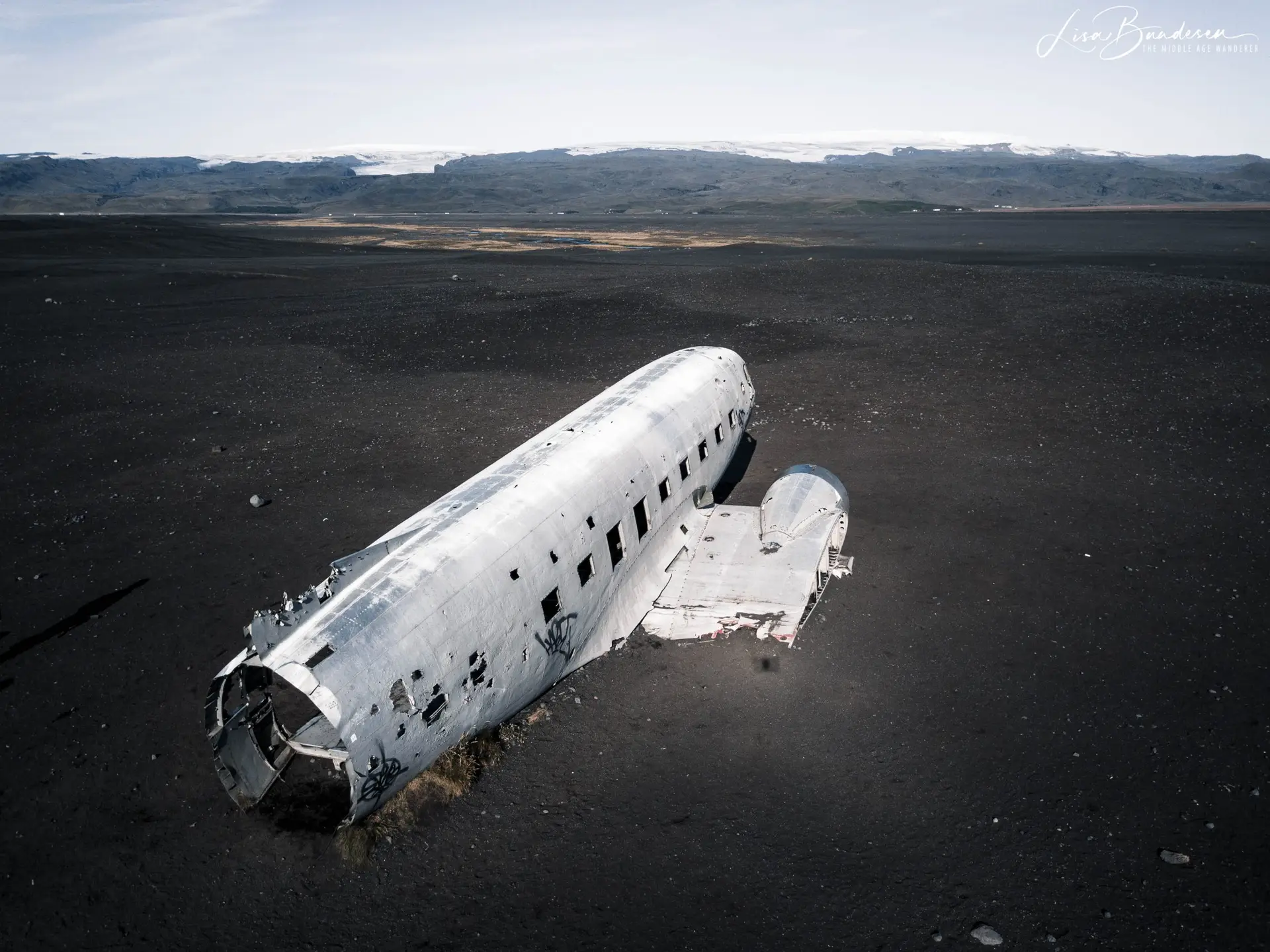
Expect to be awed and occasionally challenged. The landscapes are raw and untamed, and the modern infrastructure is minimal outside major towns. Iceland has no rail network, so most exploration is done by car or bus. Reykjavik feels cosmopolitan but small; the countryside is wild and sparsely populated and often feels like another planet.
Driving is the best way to explore Iceland. The famous Ring Road (Route 1) circles the island and connects many key sights. However, driving here is not without challenges:

Read our guide on 11 Tips for Driving in Iceland for more detailed information on exploring Iceland by car, 4WD or campervan.
Reykjavik and larger towns have good accessibility for those with mobility needs. However, many natural attractions involve uneven terrain, gravel paths, or long walks. Specialist tour operators offer accessible travel solutions.
Iceland’s emergency number is 112. This works for police, fire, ambulance, and search and rescue. There’s also a 112 Iceland app that allows you to check in your location regularly, which is helpful for solo travellers or those hiking in remote areas.

Iceland uses the Icelandic króna (ISK). Credit and debit cards are accepted nearly everywhere, even in remote petrol stations and small cafes. ATMs are available in towns, but cash is rarely necessary.
On our first day, we took some cash out from an ATM and still had most of it when we left. When we did use cash during our stay, it was also possible to use credit or debit card. To use up the cash, we bought gifts at the airport.
Iceland is one of the most connected countries in the world. Free Wi-Fi is standard in hotels, restaurants, and even some buses. For more remote travel, buy a local SIM (Síminn or Vodafone). Alternatively, many rental car companies offer portable Wi-Fi routers.
If you are a Vodafone customer in your country, check if Vodafone offers international roaming for a small fee per day. For example, with Vodafone in Australia, you can use international roaming (calls, text and internet) in Iceland for $5 / day.
Iceland uses 230V electricity with the standard European plug (types C and F). If you’re coming from outside Europe, bring an adapter.
Tipping is not customary in Iceland. Service charges are typically included in most bills. Tipping is appreciated for exceptional service but is not required.

Icelandic is the official language, but nearly all Icelanders speak excellent English. Learning a few words like “takk” (thank you) and “bless” (bye) will be appreciated.
Icelanders are friendly but reserved. They respect personal space, and public behaviour is generally calm and quiet. There’s a strong sense of trust.
Dress practically. In Reykjavik, locals wear stylish but functional clothing, while tourists tend to wear hiking gear. Outside the city, function over fashion is important. Dress warmly and practically, especially outside Reykjavik. Layered clothing is essential, and waterproof gear is highly recommended for outdoor excursions.
You won’t need to haggle in Iceland. It’s not part of Icelandic culture. Prices are fixed, and the country has a high standard of transparency. Scams are virtually unheard of, making Iceland one of the safest destinations for first-time travellers.
Iceland is one of the safest countries in the world. The most common issues are overpriced tours or rental car damage fees, so book through reputable providers and inspect vehicles thoroughly.
Crime is infrequent. That said, the greatest risks come from nature – getting lost, extreme weather, or accidents on icy roads or near geothermal areas. Always follow local advice and signs.

Tap water in Iceland is among the cleanest in the world – there is no need to buy bottled water. Take reusable water bottles with you and fill them up from the tap. Food hygiene standards are high. Traditional dishes include lamb, fresh fish, and skyr (a yoghurt-like dairy product). Alcohol is expensive due to taxes, so consider buying duty-free if you plan to drink.
Restrooms are widely available in towns, gas stations, and tourist spots. Most are clean and free, though remote areas may lack facilities. Always go before you set off for long drives or hikes.
Iceland is a dream for photographers, but the conditions can be harsh. Keep your camera gear protected from wind, rain, and cold. A tripod is a must for capturing the Northern Lights or long-exposure shots of waterfalls.

Read our comprehensive guide on The Best Memory Card for Travel. It goes through six things to help you decide on the best memory card for your camera, action camera or drone.
Drone use is allowed but heavily regulated. You cannot fly over national parks without permission, and drones are banned near popular tourist sites like Gullfoss and Skógafoss. Always check local drone regulations and respect others’ space and peace.
If you are using a drone be aware of strong winds. We had to do some very inventive drone flying to get our drone back a few times after it was caught in strong winds.
Expect the unexpected. Icelandic weather can shift in minutes – from sun to sleet. We drove into a tunnel in full sun and out the other end into pouring rain. Summer temperatures hover around 10-15°C (50-60°F), while winter can dip to -10°C (14°F) or lower. Wind is the constant factor, so dress accordingly.
Iceland is home to puffins, whales, seals, and arctic foxes. Whale watching and puffin tours are popular but choose ethical operators who respect wildlife. Never approach wild animals, and don’t walk on moss or delicate volcanic soil, which takes decades to regrow.

If you love wildlife, check out our guide to 8 Must See Animals in Iceland. Here you will find 8 amazing animals, where you can see them and when you can see them.
The natural environment is Iceland’s biggest draw – and most vulnerable asset. Stay on marked trails, avoid flying drones near wildlife, and take all rubbish with you. Icelanders take great pride in their clean and unspoiled land – visitors should too.

1. Reykjavik: Iceland’s capital is compact but vibrant, with excellent museums, restaurants, and nightlife. Don’t miss Hallgrímskirkja Church and Harpa Concert Hall.
2. Golden Circle: An easy day trip from Reykjavik includes Þingvellir National Park, Geysir geothermal area, and Gullfoss waterfall.
3. South Coast: Home to dramatic waterfalls (Seljalandsfoss, Skógafoss), black sand beaches (Reynisfjara), and the Jökulsárlón glacier lagoon.
4. Snæfellsnes Peninsula: It’s a “mini-Iceland” offering a mix of lava fields, fishing villages, a rugged coastline, and Kirkjufell Mountain.
5. Westfjords: For the adventurous, this remote region features towering sea cliffs, dramatic fjords, and few tourists. Prepare for challenging drives and incredible rewards.
Accommodation in Iceland ranges from boutique hotels to rustic guesthouses and campervan rentals. Book well in advance, especially during summer or for popular sites like the Golden Circle and South Coast. Expect higher prices than in mainland Europe, with limited options in remote areas.

There is no other place on earth like Iceland. Its raw landscapes, rich folklore, and deep connection with nature offer a unique and unforgettable experience. For first-time visitors, it can be both exhilarating and overwhelming. But with the proper planning and an open mind, your trip will be unforgettable.
From respecting nature and understanding the weather to knowing how to get around and what to wear, these Iceland travel tips should help you feel more prepared and confident. Take your time, embrace the unpredictability, and let Iceland’s magic unfold.
What is the best time of year to visit Iceland?
It depends on what you want to see! Summer (June-August) offers mild weather, long daylight hours, and access to all roads – including the Highlands. Winter (November-March) is best for viewing the Northern Lights and enjoying Iceland’s snowy landscapes, but weather conditions can be challenging. Shoulder seasons (May and September) offer fewer crowds and lower prices.
Do I need to rent a car to explore Iceland?
For first-time visitors wanting flexibility and the ability to explore at their own pace, renting a car is highly recommended. However, if you are staying mainly in Reykjavik, you can take guided day tours to most major attractions.
Is Iceland expensive for travellers?
Yes, Iceland is generally an expensive destination. Accommodation, food, and activities can be pricey. However, you can save money by choosing guesthouses, self-catering some meals, and focusing on free natural attractions like waterfalls, beaches, and hot springs. Bringing a refillable water bottle (tap water is excellent) also helps cut costs.
Is Iceland safe for first-time travellers?
Iceland is one of the safest countries in the world, with very low crime rates. The main risks come from nature – sudden weather changes, driving hazards, and slippery or unstable terrain near natural sites. Follow local advice, check weather and road conditions, and always respect safety barriers and warnings.
What should I pack for Iceland?
Layered clothing is key. Essentials include waterproof and windproof outer layers, thermal base layers, wool jumpers, gloves, a warm hat, scarf, sturdy waterproof boots, a swimsuit for hot springs, and ice cleats if visiting in winter. Don’t forget a power adapter and a good camera to capture the amazing scenery!


Explore the World with Us!
Join our newsletter for travel advice, tips and inspiration.
Hi, I’m Lisa, a 50+ retired chartered accountant. My husband, Darren, and I explore the world every opportunity we get. Staying fit is key to our adventures, from hiking the Inca Trail to scuba diving. We call Australia home but travel overseas often, always eager to discover new cultures, bustling cities, cuisines, nature and wildlife.
We would love you to join us on our journeys and hope that our adventures give you encouragement to explore this amazing world.
Some of the links below are affiliate links, meaning, at no additional cost to you, I will earn a commission if you click through and make a purchase. This helps me to keep bringing you travel updates and news.
I only recommend companies and products that I personally use.
Explore the World with Us!
Join my newsletter for travel advice, tips and inspiration.
As Seen On

Recent Posts



Categories
Action Camera We Use

Where We Book Accommodation
How We Research Flights

How We Protect Our Laptop

Our Hiking Guide

Related Posts

Discover what to see on the south coast of Iceland with our complete travel guide. Waterfalls, glaciers, black sand beaches & insider tips.

Explore the 7 Regions of Iceland and find out where to go in Iceland for stunning sights and unforgettable experiences.

Discover the 8 best places to visit on the Golden Circle. From waterfalls & geysers to hot springs & glaciers. Perfect for a day trip or a slower-paced trip.

Planning a trip to Iceland? Discover how to visit Elborg Crater – an easy hike on the Snaefellsnes Peninsula with stunning views and practical tips.

Learn how to spend a day in Reykjavik with this relaxed 1 day itinerary – ideal for first-time visitors seeking culture, food, and walkable sights.