


The South Coast of Iceland is one of the most popular routes for first-time visitors, and for good reason; it’s packed with waterfalls, glaciers, black-sand beaches, and otherworldly landscapes that you won’t find anywhere else in the world.
But with so many stops crammed into this stretch of coastline, it can be overwhelming to decide what is actually worth your time. That’s where this guide comes in.
On our road trip around Iceland, we spent a big chunk of time exploring the south coast. We hiked to hidden waterfalls, got soaked in the spray of Skógafoss, watched waves crash at Reynisfjara, and took a zodiac ride past icebergs and seals at Jökulsárlón. We even walked to a rustic mountain pool at Seljavallalaug, only to find the water lukewarm at best and the changing shed filthy! And at Seljalandsfoss, the wind was so strong that the water was blowing up instead of flowing down.
This is a practical, planning-focused guide that takes you from west to east along the south coast. For each stop, you’ll find what makes it special, insider tips from our own experience, and links to resources such as official tourism information, glacier lagoon tours, and accommodations in key towns. And if you don’t have time to see everything, this guide will help you choose the highlights that fit your trip best.
If you’re starting your south coast journey from Reykjavik, Reykjadalur Hot Springs makes for a perfect first stop. Located just outside the town of Hveragerði, this geothermal valley is known as the “Smoky Valley” due to the steam rising from its hot springs and bubbling mud pools.
The main attraction here is the warm river where you can actually bathe. The hike to reach it is around 3 km (1.9 miles) one way, taking about 45–60 minutes depending on your pace. The path is uphill, but not too difficult, and along the way, you’ll pass steaming vents and enjoy beautiful valley views.
Practical tips:
Reykjadalur is a popular spot for both locals and visitors, but it still feels more natural and less crowded than some of Iceland’s man-made hot spring experiences. If you want a scenic hike combined with a soak, this is a great way to start your South Coast adventure.
✔️ Related post: Iceland Travel Tips for First Time Visitors
Seljalandsfoss is one of Iceland’s most famous waterfalls, and for good reason – it’s one of the few where you can actually walk behind the falling water. The drop is about 60 metres (197 feet), and on a sunny day, the mist often creates beautiful rainbows.
When we visited, the wind was so strong that the water was actually blowing up instead of down – a reminder of just how wild Iceland’s weather can be. Make sure to bring a waterproof jacket, because even on calm days, you’ll get wet from the spray.
Just a few minutes’ walk away is Gljúfrabúi, a hidden waterfall tucked inside a mossy canyon. Many visitors miss it, but it’s absolutely worth squeezing between the rocks to see the falls cascading down into the cave-like opening. But watch out for the rocks, as they are slippery.
Practical tips:
Seljalandsfoss is often one of the first big stops on a south coast itinerary, and combined with Gljúfrabúi, it sets the tone for just how magical this region is.
If you’re waterfall-obsessed like me, check out my guide to the 13 Must-See Waterfalls in Iceland.


If you have extra time, a detour to the Westman Islands (Vestmannaeyjar) is well worth it. Located just off the south coast, the islands are accessible by a short ferry ride from Landeyjahöfn (about 30 minutes).
The largest island, Heimaey, offers a unique blend of rugged beauty, rich history, and diverse wildlife. It’s one of the best places in Iceland to see puffins during the summer months, and you can explore lava fields formed by the dramatic 1973 volcanic eruption that nearly destroyed the town. The local museum gives fascinating insight into how residents rebuilt their lives.
Practical tips:
Visiting the Westman Islands isn’t essential if you’re short on time, but if your itinerary allows, it’s one of the most rewarding detours off the south coast.
In 2010, Eyjafjallajökull became world-famous when its volcanic eruption disrupted air travel across Europe for weeks. Today, you can stop at a viewpoint along the Ring Road to admire the volcano, which sits beneath a glacier.
From here, you’ll get a clear view of the glacier-capped peak and surrounding farmlands. On a clear day, it’s a reminder of just how dramatic Iceland’s landscapes are.
We have a personal connection to Eyjafjallajökull. Back in 2010, we were two of the many travellers caught when planes stopped flying. At the time we were in Ireland and had to take a ferry back to the UK – an unforgettable travel experience that showed just how powerful Iceland’s nature can be, even when you’re thousands of kilometres away.
Practical tips:
While it’s a brief stop, Eyjafjallajökull is an iconic part of Iceland’s recent history, and it’s worth taking a moment to see the glacier that once grounded flights worldwide.
✔️ Related post: 11 Tips for Driving in Iceland
Tucked into a valley near the Eyjafjallajökull volcano, Seljavallalaug is one of Iceland’s oldest swimming pools, built in 1923. Reaching it requires a short 15-20 minute walk along a rocky path, surrounded by mountains and streams.
The pool itself is rustic, fed by natural hot spring water. But don’t expect a luxurious soak; the water is warm at best, not hot, and the facilities are very basic. When we visited early in the morning, we had it all to ourselves, but the changing shed was filthy and had clearly been misused. It’s a unique experience, but one to approach with managed expectations.
Practical tips:
Seljavallalaug is worth the short hike for its history and location, but it’s more about the adventure of getting there than the pool itself.

Not far from Seljalandsfoss sits Drangshlíð 2, a traditional turf-roofed farmstead that looks like it has been plucked straight from an Icelandic saga. The farm buildings, nestled into the hillside, are surrounded by dramatic cliffs, making for a striking photo stop.
What makes Drangshlíð 2 particularly interesting is the rich folklore associated with the area. Local legends speak of trolls and hidden people said to live in the surrounding cliffs. Whether you believe the stories or not, standing here does feel like stepping into another world.
Practical tips:
While it doesn’t take long to visit, Drangshlíð 2 adds a cultural and historic dimension to your South Coast road trip, connecting the landscapes to Iceland’s rich storytelling traditions.

Skógafoss is one of the most powerful and iconic waterfalls in Iceland. Dropping 60 metres (197 feet) with a width of 25 metres (82 feet), its sheer force creates a constant mist and often rainbows on sunny days. You can walk right up to the base, but be warned: you will get wet. We learned quickly that a waterproof jacket is essential here, as the spray is unavoidable.
There’s also a staircase leading to the top of the falls, where you’ll find a viewing platform and the start of the Fimmvörðuháls hiking trail. The climb is steep but offers an entirely different perspective.
Just a short walk from the Skógar Museum is Kvernufoss, a lesser-known but equally magical waterfall. Tucked into a gorge, it’s smaller and far quieter than Skógafoss, and you can even walk behind it. Most visitors drive straight past, so it feels like a hidden gem.
Next door is the Skógar Museum, which showcases traditional turf houses and Icelandic history. It’s a fascinating stop if you want to see what life was like for Icelanders in centuries past. Combined with the waterfalls, it makes Skógar an area where you can easily spend half a day.
Practical tips:
Skógafoss is a must-see on the south coast, but if you have time, don’t miss Kvernufoss and the museum. Together, they showcase the dramatic natural power and rich cultural history of Iceland.

Covering the Katla volcano, Mýrdalsjökull is one of Iceland’s largest glaciers. While the glacier itself is vast, one of the most accessible arms of it is Sólheimajökull, located just off Route 1 between Skógar and Vík.
Sólheimajökull is a popular spot for guided glacier hikes, where you can strap on crampons and walk across the ice. The scenery here is incredible, jagged ridges, deep crevasses, and blue ice formations that look otherworldly. For many visitors, it’s a highlight of their trip to Iceland.
Practical tips:
For a once-in-a-lifetime experience, consider booking a guided tour of Sólheimajökull. It’s a safe and exciting way to explore the glacier up close. You can check out tour options here: Sólheimajökull Glacier Tour.
✔️ Related post: A Complete Guide to Layering Clothes for Cold Weather
On a remote stretch of black sand beach lies the wreckage of a US Navy DC-3 plane that crash-landed in 1973. Thankfully, everyone on board survived, but the shell of the aircraft was left behind, and it’s now one of the most surreal and photographed sights on the south coast.
Getting there requires a flat walk of around 4 km (2.5 miles) each way from the parking lot. The path is stark and featureless, which only adds to the sense of anticipation as the wreck slowly comes into view.
When we visited, it felt like stepping into a dystopian movie set: a rusting plane surrounded by nothing but black sand stretching as far as the eye can see.
Practical tips:
The DC-3 plane wreck is not for everyone – it’s a long, barren walk – but if you’re after a unique photo opportunity and a truly otherworldly experience, it’s worth the effort.

Just before you reach Vík, make sure to stop at Dyrhólaey, a dramatic promontory with sweeping views of the south coast. The cliffs here form a massive arch that the sea has carved out of the rock, and in summer, puffins nest along the edges.
From the top, you’ll get incredible views in both directions: black sand beaches stretching for kilometres and the Reynisdrangar sea stacks in the distance. There’s also a picturesque lighthouse perched on the cliff.
Many visitors drive straight past Dyrhólaey, but in our opinion, it’s a mistake to skip it. The views are some of the best on the south coast, and it’s less crowded than nearby Reynisfjara Beach.
Practical tips:
Dyrhólaey is a short stop, but it’s one of the most rewarding viewpoints along the coast.

One of the most famous spots on the south coast is Reynisfjara Black Sand Beach, known for its dramatic basalt columns, roaring Atlantic waves, and the towering Reynisdrangar sea stacks just offshore.
It’s a stunning location, but also one of the most dangerous. Sneaker waves here are incredibly powerful, and despite warning signs, we saw tourists wandering too close to the water. Stay well back from the shoreline – no photo is worth the risk.
Practical tips:
Reynisfjara is spectacular and absolutely worth visiting, but treat it with respect. The combination of its stark beauty and raw power makes it unforgettable.

The small town of Vík í Mýrdal is the perfect rest stop or overnight base on the south coast. It has a handful of restaurants, cafés, and shops, as well as several good accommodation options (check Booking.com for current availability).
The highlight of Vík is the hilltop Vík Church, which overlooks the town and black sand beach. From here, you’ll get one of the most iconic views in all of Iceland – red-roofed church in the foreground, black sands and Reynisdrangar sea stacks stretching into the distance. Make sure to head down to the Vikurjara Black Sand Beach also.
Practical tips:
Vík offers a great balance between dramatic scenery and small-town charm, making it an ideal spot to pause your journey before heading further east.
🏨Vik is a great place to stay the night. Check out accommodation at Booking.com.

Just east of Vík, you’ll find Hjörleifshöfði, a massive cliff rising from the black sand plains. It’s named after Hjörleifur Hróðmarsson, one of Iceland’s first settlers, who is said to be buried at the top. A hiking trail leads up the cliff, offering sweeping views of the surrounding coastline and lava fields.
At the base of the cliff is a cave with a wide opening that, from the right angle, looks just like Yoda from Star Wars. Unsurprisingly, it’s become known as the Yoda Cave. It’s an easy and fun stop for photos, especially if you’re travelling with kids or fellow Star Wars fans.
Practical tips:
Hjörleifshöfði combines history, folklore, and pop culture, making it a unique stop on the south coast road trip.
Winding its way through moss-covered cliffs, Fjaðrárgljúfur Canyon is one of the most beautiful natural wonders on the south coast. The canyon stretches for approximately 2 km (1.25 miles) and reaches depths of up to 100 metres (328 feet), with the Fjaðrá River flowing through it.
There’s an easy walking path along the canyon edge, with several viewpoints offering spectacular photo opportunities. On a clear day, the green moss against the dark cliffs looks like something from a fantasy world.
Practical tips:
Just east of Kirkjubæjarklaustur, you’ll find Dverghamrar, also known as the “Dwarf Cliffs.” These unusual basalt rock formations are linked to Icelandic folklore, with legends saying that elves and hidden people live here. The hexagonal basalt columns rise up like organ pipes, creating a striking and mystical atmosphere.
Nearby, the drive takes you through the Skaftá lava fields, formed by massive volcanic eruptions centuries ago. The moss-covered lava stretches as far as the eye can see, giving the landscape an otherworldly look that’s unlike anywhere else on Earth.
Practical tips:
Dverghamrar and the Skaftá lava fields add a touch of Icelandic magic and mystery to your road trip, blending geology with folklore.

Part of Vatnajökull National Park, Skaftafell is a haven for hikers and outdoor lovers. The area is full of trails leading to glaciers, mountains, and waterfalls, making it one of the best spots on the south coast to stretch your legs and explore.
The highlight for many visitors is Svartifoss, a waterfall surrounded by dramatic black basalt columns that look like giant organ pipes. The walk to Svartifoss is about 1.5 km (just under a mile) each way and takes around 45 minutes. It’s uphill, but the views along the way are well worth the effort.
We also did a glacier hike in Skaftafell, and it was one of the most unforgettable experiences of our trip. Walking across the ice with a guide, we explored deep crevasses, jagged ridges, and shimmering blue ice formations. It was both exhilarating and humbling – a chance to experience Iceland’s glaciers up close in a safe way.
Practical tips:
Skaftafell is a place where you could easily spend a whole day. Whether you choose a short hike to Svartifoss or an adventurous glacier trek, it’s a must on the south coast.

Built in 1884, Hofskirkja is the last turf church constructed in the traditional Icelandic style and one of only six still standing in the country. With its grass-covered roof and whitewashed walls, it blends beautifully into the surrounding landscape, almost as if it grew out of the Earth itself.
The church is still in use today, and while the interior is not always open to visitors, the exterior alone is worth the stop. The surrounding cemetery, with its mossy gravestones, adds to the peaceful atmosphere.
Practical tips:
Hofskirkja is a quiet and reflective stop along the south coast – a perfect contrast to the dramatic landscapes that dominate the rest of the journey.
✔️ Related post: 10 Must Visit Churches in Iceland
Just a short drive before the more famous Jökulsárlón, Fjallsárlón Glacier Lagoon offers a quieter and less crowded alternative. Here, icebergs break off from the Vatnajökull glacier and float across the lagoon, creating an incredible, ever-changing scene.
When we visited, we loved how peaceful it felt compared to its larger neighbour. You still get the dramatic views of icebergs and glacier backdrops, but without the same volume of tour buses and crowds.
Practical tips:
If you want the magic of Iceland’s iceberg lagoons with fewer people around, Fjallsárlón is perfect.

No trip along the south coast is complete without a visit to Jökulsárlón Glacier Lagoon. Here, massive icebergs break off from Breiðamerkurjökull glacier and drift slowly through the lagoon before floating out to sea. The colours range from bright white to deep blue, and if you’re lucky, you might spot seals swimming among the ice.
We did a zodiac boat ride here, and it was one of the highlights of our entire trip. Getting up close to the towering icebergs, we even saw seals playing in the water. It’s a breathtaking way to experience the lagoon and well worth booking in advance (check tour options here).
Practical tips:
Jökulsárlón is one of the most surreal and photogenic places in Iceland – an absolute must on any south coast itinerary.

Directly across the road from Jökulsárlón lies Diamond Beach, where chunks of ice wash up on the black volcanic sand. The contrast of glittering ice against the dark sand is striking, and it’s a spot where you can easily spend an hour wandering and photographing.
When we visited, we were lucky enough to see a couple of huge icebergs that had washed up on the shore, towering over the smaller pieces scattered along the beach.
Practical tips:
Diamond Beach is the perfect companion to Jökulsárlón. After seeing the icebergs in the lagoon, walking among them on the beach is an unforgettable experience.

The fishing town of Höfn is a great place to base yourself after exploring the glacier lagoons. Known as the “lobster capital of Iceland,” it’s the place to try freshly caught langoustine, with several local restaurants specialising in it.
We stayed in Höfn and really enjoyed wandering around the harbour and soaking up the atmosphere. It’s a small town, but it has everything you need: accommodation, restaurants, supermarkets, and fuel, making it a convenient stop before heading further east.
Practical tips:
Höfn is more than just a refuelling stop; it’s a welcoming town with great seafood and a scenic harbour setting.
🏨We stayed a night in Hofn. Check out accommodation in Hofn at Booking.com.

One of the most photographed spots on Iceland’s south coast is Stokksnes, home to the jagged peaks of Vestrahorn Mountain. Rising sharply from the black sand dunes, the dramatic landscape looks like something from another world – it’s no wonder it’s a favourite of photographers.
The black dunes in the foreground create striking contrasts with the grey peaks, and on calm days, reflections in the tidal flats add even more magic. It’s a place where you can easily spend hours taking photos or simply soaking up the scenery.
Practical tips:
Stokksnes and Vestrahorn feel wild and untamed, offering some of the most dramatic views on the south coast. It’s a must for anyone who loves photography or simply wants to see one of Iceland’s most iconic landscapes.
Standing bright orange against the rugged coastline, Hvalnes Lighthouse is a small but striking landmark along the Ring Road. Perched on a rocky outcrop, it overlooks dramatic black sand beaches and crashing waves.
This isn’t a long stop, but it’s a great spot to stretch your legs, enjoy the views, and snap a few photos. The surrounding landscape is just as impressive as the lighthouse itself – wide, windswept beaches backed by steep mountains.
Practical tips:
Hvalnes Lighthouse might not be as famous as Iceland’s waterfalls or glaciers, but it adds a splash of colour and character to the wild east coast scenery.
The South Coast of Iceland is one of the most spectacular drives in the world. From roaring waterfalls and hidden canyons to glaciers, black sand beaches, and iceberg lagoons, every stop feels like stepping into another landscape entirely.
On our own 18-day road trip, this stretch of Iceland left some of the biggest impressions – from the sheer power of Skógafoss to the eerie stillness of the DC-3 plane wreck and the magic of watching seals play among the icebergs at Jökulsárlón. It’s a region that combines natural drama, folklore, history, and small-town charm in a way that few places can.
The truth is, you won’t have time to see it all. But that’s the beauty of the south coast – whether you only stop at the highlights or dive into every detour, you’ll come away with memories that will stay with you forever. Use this guide to plan your route, pick your must-sees, and make the trip your own.
How long does it take to drive the south coast of Iceland?
Driving from Reykjavik to Höfn without stops takes about 6-7 hours. But with all the sights along the way, most travellers spend 2-4 days exploring this stretch.
What are the must-see highlights on the south coast of Iceland?
If you’re short on time, don’t miss Seljalandsfoss, Skógafoss, Reynisfjara Black Sand Beach, Jökulsárlón Glacier Lagoon, and Diamond Beach. These are the most iconic stops that give you a taste of the region’s variety.
Is it safe to visit Reynisfjara Black Sand Beach?
Yes, if you follow the rules. Sneaker waves are extremely dangerous; always stay well back from the shoreline, regardless of what other tourists are doing.
Do I need a 4WD vehicle to drive the South Coast?
For most of the year, a regular rental car is fine for the Ring Road. However, a 4WD is recommended in winter for added safety and flexibility, especially if you want to explore side roads, such as the track up to Dyrhólaey.
Can you do a glacier hike on the south coast of Iceland?
Yes! Popular options include Sólheimajökull and Skaftafell. We did a glacier hike at Skaftafell, and it was an unforgettable experience. Always go with a licensed guide – never attempt to walk on a glacier alone.
When is the best time to visit the south coast of Iceland?
Summer (June–August) offers long daylight hours, lush green landscapes, and easier driving conditions. Winter (November–March) brings snow, opportunities to see the Northern Lights, and fewer crowds, but road conditions can be challenging.
Can I see puffins on the south coast?
Yes – the best spots are Dyrhólaey and the Westman Islands (Vestmannaeyjar), but only during the summer months (May–August).
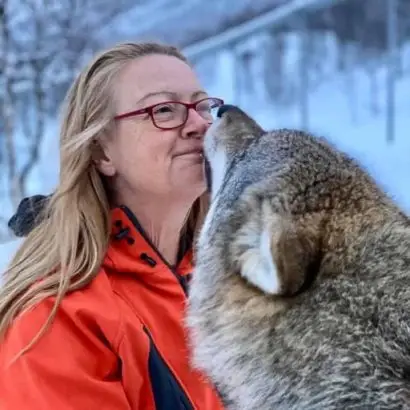
Hi, I’m Lisa Bundesen - the voice behind The Middle Age Wanderer. I’m a retired chartered accountant turned passionate traveller and photographer. Alongside my husband Darren (and with our two fur babies waiting at home in Australia), we explore the world one adventure at a time.
I’ve travelled to over 35 countries, and I created this blog to inspire fellow travellers in their 50s, 60s, and beyond to embrace adventure. Whether it’s hiking ancient trails, diving into new cultures, or sipping wine in scenic places, I believe life after 50 is the perfect time to explore more.
Here, you’ll find honest travel advice, destination guides, and real stories to help you travel smarter and with more confidence - because age is not a barrier, it’s an invitation.


Explore the World with Us!
Join our newsletter for travel advice, tips and inspiration.
Hi, I’m Lisa, a 50+ retired chartered accountant. My husband, Darren, and I explore the world every opportunity we get. Staying fit is key to our adventures, from hiking the Inca Trail to scuba diving. We call Australia home but travel overseas often, always eager to discover new cultures, bustling cities, cuisines, nature and wildlife.
We would love you to join us on our journeys and hope that our adventures give you encouragement to explore this amazing world.
Some of the links below are affiliate links, meaning, at no additional cost to you, I will earn a commission if you click through and make a purchase. This helps me to keep bringing you travel updates and news. See my Disclosure Policy for more information.
I only recommend companies and products that I personally use.
Explore the World with Us!
Join my newsletter for travel advice, tips and inspiration.
As Seen On

Recent Posts



Categories
Action Camera We Use

Where We Book Accommodation
How We Research Flights

How We Protect Our Laptop

Our Hiking Guide

Related Posts
Discover what to see on the south coast of Iceland with our complete travel guide. Waterfalls, glaciers, black sand beaches & insider tips.

Explore the 7 Regions of Iceland and find out where to go in Iceland for stunning sights and unforgettable experiences.

Discover the 8 best places to visit on the Golden Circle. From waterfalls & geysers to hot springs & glaciers. Perfect for a day trip or a slower-paced trip.

Planning a trip to Iceland? Discover how to visit Elborg Crater – an easy hike on the Snaefellsnes Peninsula with stunning views and practical tips.

Learn how to spend a day in Reykjavik with this relaxed 1 day itinerary – ideal for first-time visitors seeking culture, food, and walkable sights.