


Some of the links below are affiliate links, meaning, at no additional cost to you, I will earn a commission if you click through and make a purchase. This helps me to keep bringing you travel updates and news. See my Disclosure Policy for more information. I only recommend companies and products that I personally use.
From 6 January to 19 January 2026, the following blog posts from The
Middle Age Wanderer will be available for FREE download in the GPSmyCity app!
10 Amazing Things to Do in Bundaberg, Australia
8 Amazing Things to Do in Amsterdam in the Rain
Discover Christchurch in a Day
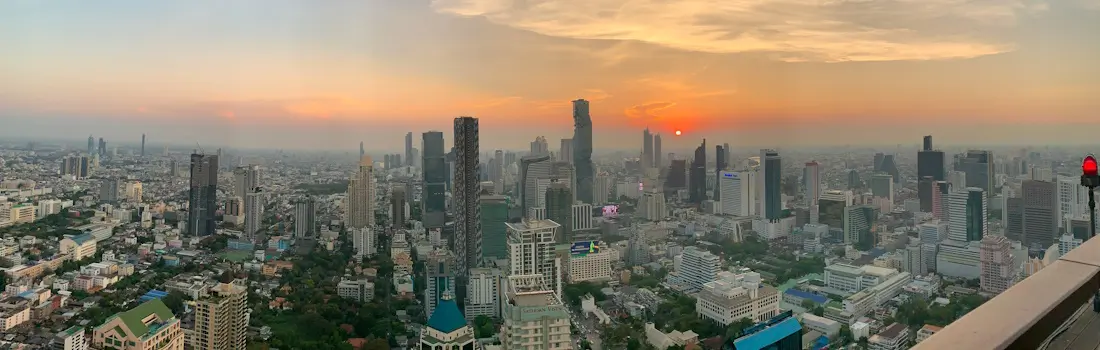
10 Must Visit Places in Bangkok
Planning your first trip to Fiji? Whether you’re dreaming of barefoot luxury on a private island or wondering what daily life looks like beyond the resort gates, Fiji offers far more than just turquoise water and tropical cocktails.
We’ve travelled to Fiji multiple times – both for holidays and conferences – and have seen first-hand just how different the experience can be depending on where you stay and how you explore. For midlife and mature travellers, especially those visiting for the first time, it’s easy to assume it’s all sun lounges and sunsets. But there’s so much more to this South Pacific paradise.
From getting your head around “Fiji Time” to knowing when cash is still the better option, this guide shares the little things that can make a big difference on your first trip. Whether you’re going for full beach mode or planning to explore the real heart of Fiji, these tips will help you skip the rookie mistakes and make your holiday smoother from day one.
Fiji isn’t just one experience – it’s two, and knowing the difference can really shape how your trip unfolds.
There’s the side most people picture: beachfront resorts, infinity pools, and cocktail hours that start well before sunset. This is Resort Fiji – polished, easy, and designed for pure relaxation. You’ll find it in places like Denarau Island, the Coral Coast, and the Mamanuca Islands, where everything’s taken care of, and comfort is the priority.
Real Fiji, on the other hand, is where you’ll find village life, unpaved roads, local markets, and the warmth of everyday Fijian hospitality. Think home-cooked meals, kids waving from roadside schools, and a much deeper understanding of the culture. Places like Savusavu, Taveuni, and the outer villages of Viti Levu offer a window into how most Fijians actually live.
We’ve been lucky enough to experience both sides – staying at island resorts, relaxing at resorts on Viti Levu, and spending time on Vanua Levu. Each trip has shown us something different, from five-star indulgence to genuine community connection.
If it’s your first time, we recommend blending both. Spend a few days unwinding at a resort, then venture out to experience the real Fiji – whether it’s through a village tour, a homestay, or even just a meal at a local eatery. That’s where the real memories are made.

One of the best parts about planning a trip to Fiji? For many travellers, there’s no need to worry about complicated visa paperwork.
Citizens from over 100 countries, including Australia, New Zealand, the United States, Canada, the United Kingdom, and much of Europe, can enter Fiji visa-free for up to four months. All you need is a valid passport (with at least six months of validity from your date of entry), proof of onward travel, and sometimes evidence of sufficient funds for your stay.
When you arrive, you’ll be welcomed with a warm “Bula!” and a visitor permit will be stamped into your passport at the airport. There’s no fee, no online form, and no fuss – just the start of your tropical adventure.
Before you go, it’s still a good idea to check Fiji’s official immigration site or confirm with your airline, especially if you’re not travelling on a common passport or planning to stay longer than four months.
Fiji really does feel like paradise, but even paradise has its surprises. Whether it’s a delayed flight, a sudden tropical storm, or a bout of food poisoning that hits out of nowhere, things don’t always go to plan. That’s why travel insurance isn’t optional – it’s essential.
Medical facilities in cities like Nadi and Suva are reliable for basic care, but if you’re staying on smaller islands or remote areas, serious issues may require a medevac flight to a better-equipped hospital, either back to the mainland or even overseas. Without insurance, these emergency evacuations can cost thousands.
Fiji is also located in a region prone to tropical cyclones, particularly between November and April. While rare, major storms can lead to flight cancellations, evacuations, or extended stays. Your policy should cover natural disaster-related disruptions and emergency evacuation if needed.
We always make sure our policy includes:
Not all policies are created equal, so double-check the fine print, especially if you’re planning island-hopping or outdoor adventures. It’s not just about peace of mind, it’s smart, responsible travel.
Fiji’s tropical climate means you’ll enjoy warm weather no matter when you go, but the experience can feel very different depending on the time of year.
We’ve travelled during both seasons, and while the wet season can still be enjoyable (especially with fewer crowds and lower prices), it’s worth considering the trade-offs, especially if your trip includes island transfers or outdoor activities.
No matter when you go, pack light layers, reef-safe sunscreen, and waterproof shoes, and embrace the weather as part of the Fiji experience.

With over 300 islands making up the Fijian archipelago, it’s tempting to think they’re all the same, but each region offers a very different experience.
Here’s a quick guide to help first-time travellers choose the right spot:
Each island group has its own personality. Choosing the right one depends on what you want: luxury, culture, adventure, or solitude. If you’re planning a longer trip, combining a few different islands can give you the best of Fiji.
Fiji is the perfect place to embrace a laid-back wardrobe, but that doesn’t mean packing carelessly. With the combination of heat, humidity, and island logistics, what you bring (and what you leave out) can make or break your trip.
Here’s what we always recommend:
Unless you’re attending a wedding or a resort dinner with a dress code, you will not need heels, jackets, or fancy outfits. Comfort is key – both for the heat and for the relaxed Fijian lifestyle. And keep in mind that inter-island transfers often have strict luggage limits, especially if you’re taking small planes or ferries.
Overpacking in Fiji just leads to sweaty regrets and heavier bags. Trust us – you will live in the same few outfits, and you will be happier for it.
If there’s one phrase you’ll hear everywhere in Fiji, it’s “Fiji Time.” It’s more than just a catchphrase – it’s a whole way of life. Things run at a slower pace here, and schedules are more of a suggestion than a promise.
Buses might leave late, tours may start casually, and check-in times at smaller resorts can be flexible. At first, this can be a little frustrating if you’re used to everything running on the dot. But once you let go of the need to control every minute, you’ll realise this unhurried rhythm is part of Fiji’s magic.
If you’re like me, it can take a day or two to slide into Fiji Time, but trust me, it’s well worth it. And you really do need to accept it. If you don’t, it just leads to stress and frustration. The more you try to fight it, the less enjoyable your trip becomes.
“Fiji Time” is an invitation to relax, to breathe, and to let the day unfold naturally.
Lean into it.
We’ve found some of our best experiences came from these unplanned moments – chatting with locals, watching the sunset linger, or taking a detour because the boat was late. It’s not inefficient. It’s intentional. And once you adjust your expectations, it’s incredibly freeing.

Fiji is known for its warm hospitality and laid-back vibe, but don’t let that fool you – local customs and traditions are deeply respected, especially in villages and smaller communities.
While most resorts are casual and easy-going, village visits or cultural experiences require a bit more thought. Fijians are incredibly welcoming, but also deeply rooted in tradition. Showing respect goes a long way.
Here’s what to keep in mind:
Fijians genuinely appreciate it when visitors make the effort to follow these customs. It’s a simple way to show gratitude for the warm welcome you’ll receive, and it helps create meaningful connections beyond the tourist trail.
The beaches are stunning and the sunsets unforgettable, but it’s the Fijian people who will stay with you long after your trip ends.
Fijians are famously warm, welcoming, and genuinely kind. From the moment you arrive, you’ll hear “Bula!” everywhere, not just from resort staff, but from strangers on the street, kids walking to school, and market vendors in town. It’s not just a greeting; it’s a reflection of the country’s generous spirit.
Whether you’re staying in a luxury resort or visiting a local village, you’ll notice that Fijians take pride in hospitality. They want you to feel at home, to understand their culture, and to leave with a sense of connection.
We’ve shared laughs over kava and been invited to share meals that felt more like family dinners than tourist experiences. These moments are what turn a tropical holiday into something deeper and more memorable.
So, take the time to talk with people, ask questions, and listen to their stories. You’ll leave Fiji with more than just photos – you’ll leave with friendships.

Yes, you can enjoy a cocktail by the pool in Fiji as alcohol is legal and widely available, especially at resorts. That said, it can be expensive, particularly imported wine and spirits, so if you enjoy a drink, consider picking up a bottle or two at duty-free before you arrive.
But beyond beer and beachside cocktails, the true local drink of Fiji is kava – a traditional beverage made from the root of the yaqona plant. It has a mild sedative effect, causing a tingling or numbing sensation in the mouth, and is deeply woven into Fijian culture.
Kava ceremonies are often held in villages or during special occasions, but sometimes they happen in the most casual and memorable ways. At one of the smaller resorts we stayed at, we lingered too long after dinner and were invited by some of the staff to join them around the fire for some kava. We sat under the stars, listened to their stories, and felt the gentle buzz (and the very numb tongue) that kava is known for. It was a simple, beautiful moment – the kind you can’t plan for, but never forget.
If you’re offered kava, accept it with both hands, clap once before and after drinking, and always show appreciation. It’s not just about the drink – it’s about being welcomed into something special.

While many resorts and larger businesses in Fiji accept credit or debit cards, cash is still essential, especially once you step off the main tourist path.
Smaller shops, local markets, taxi drivers, and village stalls often operate on a cash-only basis. Even some remote island accommodations prefer cash payments or charge extra fees for card use. Also, ATMs can be few and far between once you leave major towns like Nadi or Suva.
We recommend grabbing some Fijian dollars (FJD) before you leave home (if your local bank offers currency exchange) or withdrawing cash when you arrive in town. The airport ATMs are convenient, but they can sometimes run out of cash or charge higher fees.
It’s also smart to carry small denominations for tipping, souvenirs, or roadside snacks.
Just keep in mind:
A mix of card and cash will serve you best, but if you’re only carrying one, make sure it’s cash. Fiji might be relaxing, but being caught without money when you need it definitely isn’t.
If staying connected is important to you, whether for navigation, uploading photos, or checking in back home, it’s best to prepare ahead of time. While many resorts offer Wi-Fi, coverage can be patchy, especially on smaller islands or in remote villages. And even when Wi-Fi is available, speeds are often slow or limited to public areas.
Local SIM cards are available through Vodafone and Digicel, which have the widest coverage across the islands. But if you’d prefer to avoid the hassle of swapping SIMs or hunting for a shop after you land, consider using an eSIM.
We recommend Holafly’s Fiji eSIM – it’s a convenient, affordable option that lets you get connected the moment you touch down, without changing your physical SIM card. It’s especially useful if you’re planning to hop between islands or spend time away from major towns.
A few things to keep in mind:
Fiji is a place to unplug and unwind, but having a backup plan for staying online makes everything smoother.

In Fiji’s main towns like Nadi, Suva, and Savusavu, and at larger resorts on Viti Levu, tap water is generally treated and considered safe to drink. But once you head to outer islands or more rural areas, the situation changes.
Water in these areas often comes from rainwater tanks, springs, or boreholes, and it may not be filtered or treated. Tourism Fiji explains that factors like old plumbing, heavy rainfall, or minimal infrastructure can also affect water quality.
As a precaution, we stick to bottled water or filtered water when it’s provided by the resort. Many places will supply filtered water in rooms, while others may offer bottled water for purchase or complimentary. It’s worth checking this ahead of time, especially if you have a sensitive stomach.
For day trips and outdoor adventures, we recommend packing a reusable water bottle with a built-in filter. It’s lighter on your luggage (and the environment) and helps you stay hydrated when you’re out exploring.
A few other tips:
It’s a simple habit that can help you avoid unnecessary stress and keep your holiday on track.
While you’ll find decent medical facilities in Nadi and Suva, once you leave the main towns or head out to the islands, access to healthcare becomes much more limited. Small resorts may have basic supplies on hand, but serious medical issues could require evacuation back to the mainland, or even overseas.
That’s why we always recommend travelling with a comprehensive travel insurance policy (as covered earlier) and packing a well-stocked personal first-aid kit for minor issues like cuts, bites, headaches, or upset stomachs.
We always carry our own Survival First Aid Kit – it’s compact, well-organised, and includes everything from antiseptic wipes and tweezers to bandages and gloves. It gives us peace of mind knowing we’re covered for life’s little mishaps, especially in remote areas where a pharmacy may be hours away.
Also good to know:
Better to have it and not need it than the other way around.

Fiji is one of the friendliest and most welcoming countries we’ve travelled to, and overall, it’s a safe destination. Scams and petty crime are relatively rare, especially compared to other tourist-heavy locations around the world.
That said, like anywhere, it’s wise to stay aware of your surroundings, especially in larger urban areas like Suva. While most locals are genuinely kind and helpful, occasional tourist-targeted tactics do happen.
For example, we’ve been approached by hawkers in Suva trying to sell us small trinkets. They often start by asking your name and then carving it onto a souvenir, only to tell you afterwards that you need to pay for it. It can catch you off guard, especially the first time. The best response? Just politely say no and keep walking.
A few other tips to stay safe:
We’ve never felt unsafe in Fiji, but being alert and using common sense goes a long way and ensures you can relax and enjoy the best parts of your trip worry-free.
Fiji might look compact on a map, but getting from place to place, especially between islands, can take more effort (and time) than you might expect.
On Viti Levu, the main roads are generally in good condition, and you can travel between towns like Nadi, Suva, and the Coral Coast by bus, private car, or shuttle. Taxis are common in towns, and buses run along the Queens Road and Kings Road with scenic ocean views.
But if you’re heading to outer islands like Malolo, Taveuni, or Vanua Levu, your options get a bit more complex:
We’ve done the mix – flights, boats, and everything in between – and while it adds adventure, it’s not something to leave until the last minute.
A few travel tips:
The journey is part of the Fiji experience – just know that “island hopping” here is nothing like catching a quick train. Plan ahead, stay flexible, and enjoy the ride.

It’s easy to get lulled into the rhythm of resort life – cocktails by the pool, spa treatments, and endless buffet breakfasts. But to really make the most of your time in Fiji, plan a few day trips to break up your stay and see more of what the islands have to offer.
From most major resorts, you’ll find a variety of options, such as:
Even if you’re not the adventurous type, these excursions can add variety, depth, and connection to your trip. We’ve found they’re also a great way to meet locals, support small businesses, and see the landscapes that make Fiji so special.
Tip: Book your day trips through reputable operators (your resort can usually help), and try to get out early in the day before the sun gets too intense.
You’ll return to your lounge chair with new stories and a deeper appreciation for what lies beyond the resort gates.
If you love the ocean or have ever thought about giving snorkelling or diving a go, Fiji is the place to do it. The country is home to some of the world’s most spectacular coral reefs, teeming with colourful fish, turtles, reef sharks, and more.
But it’s also important to be realistic. Like many reef systems around the world, some parts of Fiji’s reefs have been affected by coral bleaching due to rising sea temperatures and climate change. It’s sad to see, especially if you’ve snorkelled in healthier reef systems in the past, but it’s part of the global picture.
That said, there’s still plenty of beauty beneath the surface. Some reefs are in good condition, marine life is still abundant, and the experience of swimming alongside vibrant fish, rays, or even reef sharks is nothing short of magical.
Whether you’re a beginner or an experienced diver, there’s something here for every level:
We’ve snorkelled across several islands and have been blown away by how accessible and breathtaking it is – even if you’ve never tried it before, this is the place to start.
Just one important note: Fiji’s reefs are precious and fragile. Always use reef-safe sunscreen, don’t stand on coral, and avoid touching marine life. A little care goes a long way in keeping this underwater paradise intact for the next traveller.

Fijian cuisine doesn’t always get the spotlight, but it should. It’s a flavourful blend of Melanesian roots, Indian influences, and the bounty of the South Pacific, with a focus on fresh seafood, tropical fruits, and earthy spices.
Some dishes and flavours to look out for:
Desserts tend to be simple and tropical – think fresh papaya, pineapple, banana fritters, and sweet coconut treats.
We’ve eaten everything from resort buffets to beachside BBQs and market stalls. Some of our favourite meals have been the most unexpected – home-cooked dishes at a small guesthouse or a plate of curry shared with locals.
If you’re an adventurous eater, Fiji has plenty to explore. And if you’re more cautious, there’s always something familiar – just with a tropical twist.

Fiji can suit a range of budgets. Luxury resorts can be pricey, but there are also budget-friendly guesthouses and mid-range options, especially on less touristy islands. You can also save by eating local and booking in advance.
The dry season from May to October offers the best weather – sunny, less humid, and ideal for water activities. The wet season (November to April) can be cheaper but comes with more rain and the possibility of cyclones.
Yes, but roaming fees can be high. We recommend getting a local SIM or using an eSIM from Holafly to stay connected affordably.
Avoid touching people’s heads, wearing hats in villages, or being overly affectionate in public, especially in traditional areas. Also, don’t drink the tap water on the outer islands.
Whether you’re dreaming of sipping cocktails on the sand, diving into coral-filled waters, or sharing kava with new friends around a fire, Fiji offers so much more than just a tropical escape. It’s warm, welcoming, and deeply enriching, especially when you take the time to understand its culture, people, and rhythm.
For first-time travellers, a little preparation goes a long way. From packing smart and planning transfers to knowing when to say “Bula!” and when to say no to a souvenir scam, these tips can help you avoid stress and truly embrace all that Fiji has to offer.
If you’re in your 50s or beyond and wondering whether Fiji is for you, the answer is absolutely yes. We’ve visited multiple times and continue to fall in love with this island paradise over and over again.
Got questions about planning your Fiji trip? Send me a message – I’d love to help!
And if you found this post helpful, don’t forget to:

Hi, I’m Lisa Bundesen - the voice behind The Middle Age Wanderer. I’m a retired chartered accountant turned passionate traveller and photographer. Alongside my husband Darren (and with our two fur babies waiting at home in Australia), we explore the world one adventure at a time.
I’ve travelled to over 35 countries, and I created this blog to inspire fellow travellers in their 50s, 60s, and beyond to embrace adventure. Whether it’s hiking ancient trails, diving into new cultures, or sipping wine in scenic places, I believe life after 50 is the perfect time to explore more.
Here, you’ll find honest travel advice, destination guides, and real stories to help you travel smarter and with more confidence - because age is not a barrier, it’s an invitation.


Hi, I’m Lisa, a 50+ retired chartered accountant. My husband, Darren, and I explore the world every opportunity we get. Staying fit is key to our adventures, from hiking the Inca Trail to scuba diving. We call Australia home but travel overseas often, always eager to discover new cultures, bustling cities, cuisines, nature and wildlife.
We would love you to join us on our journeys and hope that our adventures give you encouragement to explore this amazing world.
As Seen On

Recent Posts



Action Camera We Use

How We Research Flights

How We Protect Our Laptop

Our Hiking Guide

Related Posts
Things to know before going to Fiji: Get essential tips on culture, money, weather, and more to make your first trip smooth, stress-free, and memorable.