

Some of the links below are affiliate links, meaning, at no additional cost to you, I will earn a commission if you click through and make a purchase. This helps me to keep bringing you travel updates and news. See my Disclosure Policy for more information. I only recommend companies and products that I personally use.
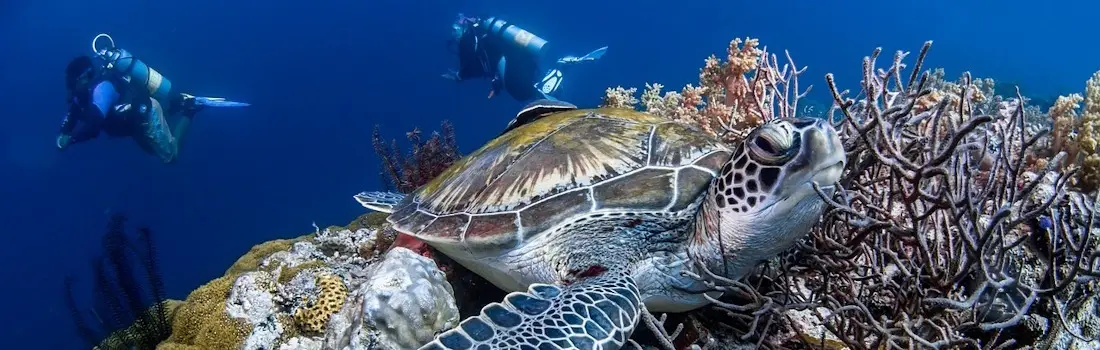
Have you ever dreamed of gliding through clear blue water, exploring coral reefs, or swimming alongside sea turtles? Scuba diving can open up an entirely new world – especially for those of us in our 50s and beyond, who are finally giving ourselves permission to explore more deeply, both above and below the surface.
But if you’re thinking about getting your scuba certification, one question often comes up: should you do it before you travel, or while you’re already on holiday?
It’s a decision I faced myself. My husband Darren already had his certification and just needed a refresher, but I had to start from scratch. After doing plenty of research, I decided to get certified at home before our trip. In this post, I’ll walk you through what scuba certification involves, weigh up the pros and cons of getting certified at home vs on vacation, and share my personal experience as someone who did the course in her 50s, and is so glad she did.
Whether you’re a bit more cautious like me or more of a “book it and go” traveller, this guide will help you make the right call for your next adventure.
Before you can enjoy the magic of diving, you’ll need to complete a scuba certification course – usually through a globally recognised organisation like PADI (Professional Association of Diving Instructors) or SSI (Scuba Schools International).
Both offer similar entry-level courses, with the Open Water Diver certification being the most common. This certification allows you to dive up to 18 metres (60 feet) with a buddy, rent gear, and join dive tours worldwide.
The process involves three main components:
There are also basic physical requirements (during the confined water section), including a 200 metre swim test (there is no time limit) and a 10-minute float. These can catch some people off guard, especially if it’s been a while since your last swim. And depending on where you’re doing your course, you might find yourself trying to complete the swim in a small resort pool (which means a lot of turning) or even in open water, which can feel daunting for first-timers.
If you’re short on time or just want to dip your toes into scuba, there’s also a Scuba Diver certification. This is a more limited qualification – you only need to complete part of the full Open Water course and can dive to 12 metres (40 feet), but always under the direct supervision of a professional. It’s ideal for holidaymakers who want to try diving without committing to the full certification. Later, you can upgrade to the full Open Water certification with additional training.
While the full course can be completed in as little as 3 to 4 days, it’s still a significant time and energy investment, especially if you’re learning in a brand-new environment, such as a resort or a foreign country. You’ll also need to factor in no-fly time after your final dive – typically 18 to 24 hours – so this is not something to squeeze into a quick holiday. You’ll need a longer trip to do it properly and safely.
🩺 Important note if you’re over 45: Most training agencies, including PADI and SSI, require you to complete a medical questionnaire before you begin. If you’re over 45 – even with no health concerns – you will be asked to provide a doctor’s certificate clearing you to dive. This often needs to be from a GP familiar with dive medicine, or one specifically recognised by the certifying agency. It’s a good idea to check the requirements well before your course starts, as it can take time to get the correct paperwork.

Getting your scuba certification on vacation can sound like the perfect mix of adventure and efficiency. You’re surrounded by crystal-clear waters, tropical fish, and a relaxed vibe – why not make it official while you’re there?
However, there are some serious downsides to consider – especially for cautious travellers or those with limited time.

Doing your scuba certification before you leave for your holiday might not sound as glamorous, but it can make your trip significantly more enjoyable and less stressful.

When my husband Darren and I planned our diving trip, he only needed a refresher, but I had to start from scratch. At first, I considered doing the certification while we were away. But the more I researched what was involved, the more I realised it made sense to do it at home before we left.
There’s a lot more to scuba certification than just jumping in the water. There’s the theory component, where you need to learn the science behind diving, understand safety procedures, and get familiar with the equipment. Then you move into a confined water session, followed by four open water dives. It’s a full-on process, and I didn’t want to spend most of our holiday stuck in a classroom or training pool.
Doing it at home gave me the chance to take things at my own pace. I was in my 50s and knew I needed an instructor who would be patient and supportive, not just someone rushing to tick boxes. I chose a dive school with great reviews from people like me, who might take longer to grasp certain skills. That turned out to be one of the best decisions I made.
For example, I quickly realised during training that I was very buoyant, which made it hard for me to maintain proper control in the water. If I’d been on a tight holiday schedule, I might have been forced to push through. Instead, I had the flexibility to spend extra time, both in and out of the water, with my instructor to get my buoyancy and weights properly dialled in.
Another big factor? Medical access. I felt far more comfortable learning in Australia, where I knew I could rely on high-quality healthcare if anything went wrong. Diving is generally very safe, but it was reassuring to know I was close to familiar treatment options.
When we finally went on holiday, I could hit the water with confidence and enjoy every dive – no stress, no theory, and no delays. That, to me, made all the difference.

There’s no one-size-fits-all answer when it comes to where you should get your scuba certification. It really depends on your personal preferences, time constraints, and how you like to learn.
Here are a few things to consider:
In the end, both options will get you certified, but only one will set you up to enjoy your holiday the way you want to. The key is to match the certification path to the kind of experience you want, both during training and once you’re out exploring the ocean.
The full Open Water Diver certification usually takes 3 to 4 days if done intensively. However, if you’re doing it at home, you can spread it out over multiple weeks, which is helpful for managing physical demands and fitting it around your schedule.
Absolutely – many people get certified in their 50s, 60s, and beyond. The key is to be in good general health and comfortable in the water. Always consult your doctor if you have health concerns and make sure to train with instructors experienced in teaching mature students.
In most cases, you’ll fill out a medical questionnaire. If you tick any conditions of concern (like asthma, heart issues, or certain medications), you may need clearance from your doctor before participating in the course. If you are over 45, you will need to obtain a medical clearance.
No – it’s recommended to wait at least 18 to 24 hours after your last dive before flying. Diving increases nitrogen in your body, and ascending to altitude too soon can cause decompression sickness, which can be serious.
Scuba diving is one of the most unforgettable ways to experience the world, and it’s absolutely something you can take on in your 50s and beyond. Whether you choose to get your certification at home or while you’re on holiday, the most important thing is that you feel safe, confident, and excited about the journey.
For me, getting certified before I travelled gave me the space to learn at my own pace, address the physical and logistical demands, and head into my trip with real confidence. It meant that once I arrived at my destination, I was ready to dive in – literally – without wasting precious holiday time.
If you’re considering taking the plunge, my advice is simple: do your research, give yourself time, and trust that it’s never too late to start something new. The underwater world is waiting, and it’s even more magical when you’re ready to explore it fully.

Hi, I’m Lisa Bundesen - the voice behind The Middle Age Wanderer. I’m a retired chartered accountant turned passionate traveller and photographer. Alongside my husband Darren (and with our two fur babies waiting at home in Australia), we explore the world one adventure at a time.
I’ve travelled to over 35 countries, and I created this blog to inspire fellow travellers in their 50s, 60s, and beyond to embrace adventure. Whether it’s hiking ancient trails, diving into new cultures, or sipping wine in scenic places, I believe life after 50 is the perfect time to explore more.
Here, you’ll find honest travel advice, destination guides, and real stories to help you travel smarter and with more confidence - because age is not a barrier, it’s an invitation.


Hi, I’m Lisa, a 50+ retired chartered accountant. My husband, Darren, and I explore the world every opportunity we get. Staying fit is key to our adventures, from hiking the Inca Trail to scuba diving. We call Australia home but travel overseas often, always eager to discover new cultures, bustling cities, cuisines, nature and wildlife.
We would love you to join us on our journeys and hope that our adventures give you encouragement to explore this amazing world.
As Seen On

Recent Posts




Action Camera We Use

How We Research Flights

How We Protect Our Laptop

Our Hiking Guide

Related Posts
Wondering if you should get your scuba certification on vacation or before you go? Compare both options and find out what’s best for your next dive trip.

Planning to hike the Inca Trail. This is your comprehensive guide of what to pack for the trail, including weight limits for your packs.
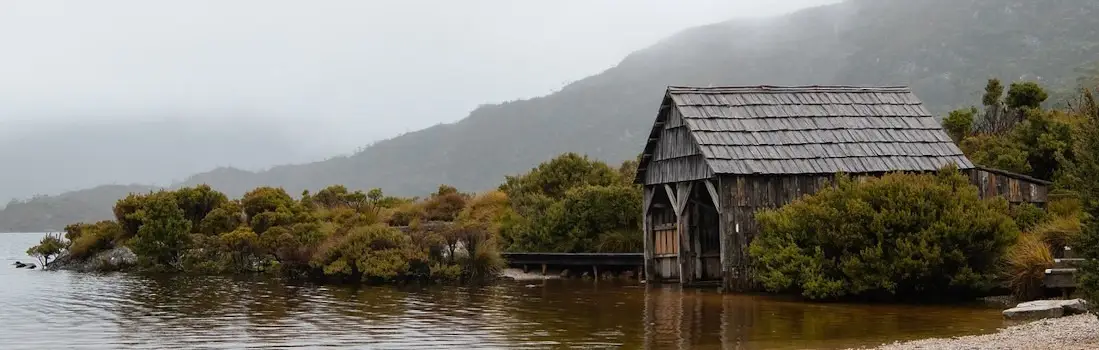
A guide to Hiking Cradle Mountain, Tasmania to take in the amazing views and see stunning wildlife on the way.

Discover the stunning Whistler train wreck hike, blending art, history, and breathtaking scenery in British Columbia’s forests.
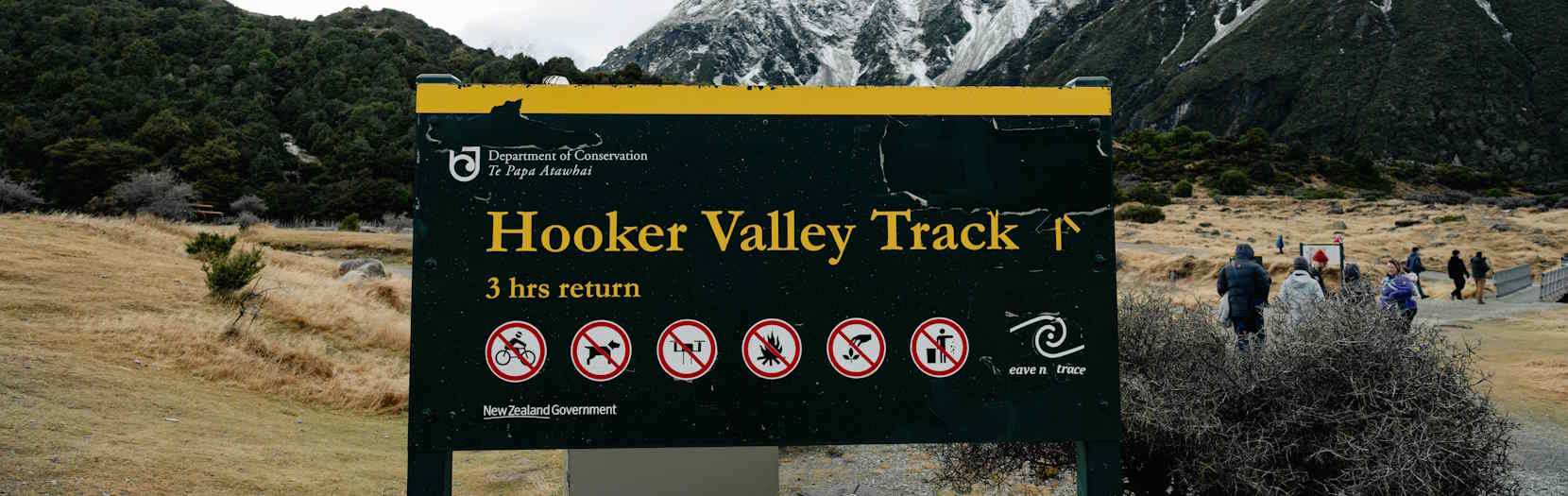
Everything you need to know about hiking the Hooker Valley Track in New Zealand’s Aoraki/Mount Cook National Park and how to discover its stunning beauty.