The Best Time of Year to Travel to Australia

The Best Time to Visit Australia

Are you planning a visit to Australia? Australia is diverse, from its stunning beaches and outback landscapes to its vibrant cities and rich wildlife. Each season offers unique experiences, from cultural festivals to opportunities to spot native animals. Deciding when to visit depends on what you want to see and do. Whether you’re seeking adventure in the Great Barrier Reef, cultural events in the cities, or a wildlife safari, Australia has something for every traveller, no matter the season. So what is the best time to visit Australia?

In this guide, we’ll explore each season’s pros and cons, the best places to visit, wildlife to see, and festivals to experience. This will help you plan the perfect trip to Australia, whether you’re after sunny beach days, hiking, or cultural immersion.

Table of Contents

Summer (December – February)

Summer in Australia is full of energy, with warm weather, buzzing cities, and outdoor activities. The beaches are at their best, and major cities like Sydney and Melbourne come alive with festivals, outdoor events, and fireworks. It’s a great time to explore the coastline, indulge in water sports, and experience Australia’s vibrant culture. However, it’s also the busiest time of year, as locals and tourists flock to popular destinations. Be prepared for crowded attractions and higher prices.

Pros

  • Long, sunny days perfect for outdoor activities and beach fun
  • Active wildlife and ideal conditions for marine activities like snorkelling and diving
  • Festive atmosphere with lots of events and festivals

Cons

  • Peak season means crowded tourist spots and higher prices
  • Sweltering temperatures in inland and northern regions
  • Bushfire risk in some areas
The Best Time to Visit Australia. The iconic Sydney Harbour
The iconic Sydney Harbour

What’s the Weather Like?

Summer in Australia is typically hot, with temperatures ranging from 25°C to 40°C (77°F to 104°F), depending on the region. Coastal areas like Sydney and Melbourne enjoy warm, sunny days perfect for the beach. Northern parts of Australia, such as Queensland and the Northern Territory, experience hot and humid conditions, with tropical rainstorms common in the afternoons. In the interior, temperatures can soar, making some areas uncomfortable for outdoor activities.

Summer in Australia is hot and humid, especially in the north. Coastal regions are milder, while inland areas can be extremely hot.

December
  • Northern Australia:

    • Average Temperature: 25°C – 35°C (77°F – 95°F)
    • Rainfall: 150mm – 250mm
    • Humidity: 70% – 80%
  • Southern Australia:

    • Average Temperature: 15°C – 30°C (59°F – 86°F)
    • Rainfall: 20mm – 60mm
    • Humidity: 50% – 60%
  • Eastern Coast:

    • Average Temperature: 20°C – 30°C (68°F – 86°F)
    • Rainfall: 80mm – 120mm
    • Humidity: 60% – 70%
  • Western Australia:

    • Average Temperature: 18°C – 33°C (64°F – 91°F)
    • Rainfall: 10mm – 50mm
    • Humidity: 40% – 50%
January
  • Northern Australia:

    • Average Temperature: 26°C – 36°C (79°F – 97°F)
    • Rainfall: 200mm – 300mm
    • Humidity: 75% – 85%
  • Southern Australia:

    • Average Temperature: 16°C – 32°C (61°F – 90°F)
    • Rainfall: 20mm – 50mm
    • Humidity: 45% – 55%
  • Eastern Coast:

    • Average Temperature: 22°C – 31°C (72°F – 88°F)
    • Rainfall: 100mm – 150mm
    • Humidity: 65% – 75%
  • Western Australia:

    • Average Temperature: 20°C – 35°C (68°F – 95°F)
    • Rainfall: 20mm – 60mm
    • Humidity: 40% – 50%
February
  • Northern Australia:

    • Average Temperature: 25°C – 35°C (77°F – 95°F)
    • Rainfall: 250mm – 350mm
    • Humidity: 75% – 85%
  • Southern Australia:

    • Average Temperature: 17°C – 31°C (63°F – 88°F)
    • Rainfall: 20mm – 60mm
    • Humidity: 50% – 65%
  • Eastern Coast:

    • Average Temperature: 22°C – 30°C (72°F – 86°F)
    • Rainfall: 120mm – 180mm
    • Humidity: 70% – 75%
  • Western Australia:

    • Average Temperature: 20°C – 34°C (68°F – 93°F)
    • Rainfall: 30mm – 70mm
    • Humidity: 40% – 55%

Great Places to Visit

  • Sydney, New South Wales: Sydney in summer is a dream for beach lovers. Bondi Beach and Manly Beach are perfect for swimming, surfing, and sunbathing.
  • Gold Coast, Queensland: The Gold Coast is a fantastic summer destination with endless beaches, surfing spots, and family-friendly theme parks.
  • Tasmania: Tasmania offers a cooler alternative during summer. You can explore Freycinet National Park or hike Cradle Mountain. The island hosts MONA FOMA, a cutting-edge music and arts festival in Hobart and Launceston.
  • Kangaroo Island, South Australia: For a quieter, wildlife-rich experience, head to Kangaroo Island. Summer is the perfect time to spot koalas, kangaroos, and sea lions in their natural habitats.
  • Great Ocean Road, Victoria: Summer is ideal for a road trip along the Great Ocean Road. Stunning coastal views, surf beaches, and the Twelve Apostles make it an unforgettable journey.

Best Foods to Try

  • Pavlova: A light meringue-based dessert topped with fresh summer fruits like strawberries, kiwi, and passionfruit. It’s an iconic dish often served during holiday gatherings.
  • BBQ Seafood: Summer is prime time for seafood, especially on the barbecue. Prawns, barramundi, and grilled lobster are popular at beach picnics and backyard barbecues.
  • Mangoes: Australian mangoes are at their best in summer, perfect for eating fresh or in tropical salads.

Wildlife to See

  • Marine Life: Summer is the best time to explore the Great Barrier Reef, where you can spot tropical fish, sea turtles, and even sharks.
  • Kangaroos and Koalas: These iconic Australian animals are active during summer, especially in national parks like Kangaroo Island and Wilsons Promontory.
Icon - Places to Visit

If you love nature, wildlife and hiking, Tasmania’s Cradle Mountain is the perfect place to visit. We have prepared a comprehensive guide to hiking Cradle Mountain at Hiking the Amazing Cradle Mountain, Tasmania.

Festivals

  • Sydney New Year’s Eve: One of the most famous celebrations in the world, with spectacular fireworks over the Sydney Harbour Bridge.
  • Sydney Festival: A major cultural event running throughout January, featuring live performances, art installations, and music.

Summer is Australia’s busiest season, so prices for accommodation, tours, and flights are higher. Crowds at beaches and major attractions are expected, so plan ahead to secure your spots.

Autumn (March-May)

Autumn in Australia is a season of mild temperatures, fewer crowds, and vibrant landscapes. The intense summer heat begins to fade, making it perfect for exploring wine regions and national parks and taking scenic road trips. It’s a great time for those who prefer quieter vacations and lower prices. This is the harvest season for Australia’s famous wine regions, offering the chance to enjoy fresh wine and delicious food.

Pros

  • Pleasant, mild weather across most of the country
  • Fewer tourists and lower prices than summer
  • Beautiful fall colours in certain regions

Cons

  • Some northern regions may still experience high humidity
  • Fewer outdoor festivals compared to summer
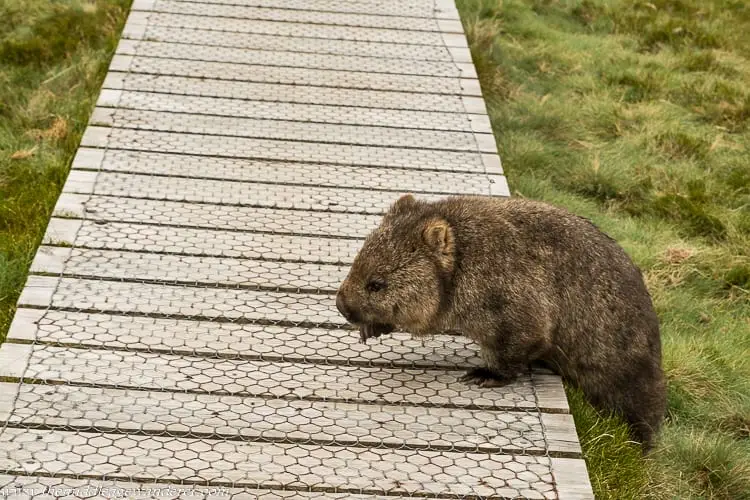
A wombat at Cradle Mountain, Tasmania, Australia.

What’s the Weather Like?

Autumn brings milder temperatures, ranging from 15°C to 25°C (59°F to 77°F) in most parts of the country. The heat of summer subsides, making it a comfortable time to explore, particularly in the southern states. The tropical north begins to cool down, and the wet season starts to ease. Coastal areas enjoy pleasant weather, while the cooler nights in the Outback make it an ideal time to visit.

March
  • Northern Australia:

    • Average Temperature: 24°C – 34°C (75°F – 93°F)
    • Rainfall: 100mm – 200mm
    • Humidity: 65% – 75%
  • Southern Australia:

    • Average Temperature: 14°C – 28°C (57°F – 82°F)
    • Rainfall: 30mm – 80mm
    • Humidity: 50% – 60%
  • Eastern Coast:

    • Average Temperature: 20°C – 28°C (68°F – 82°F)
    • Rainfall: 80mm – 120mm
    • Humidity: 60% – 70%
  • Western Australia:

    • Average Temperature: 18°C – 32°C (64°F – 90°F)
    • Rainfall: 20mm – 60mm
    • Humidity: 45% – 55%
April
  • Northern Australia:

    • Average Temperature: 22°C – 32°C (72°F – 90°F)
    • Rainfall: 50mm – 100mm
    • Humidity: 60% – 70%
  • Southern Australia:

    • Average Temperature: 12°C – 25°C (54°F – 77°F)
    • Rainfall: 30mm – 70mm
    • Humidity: 45% – 55%
  • Eastern Coast:

    • Average Temperature: 18°C – 26°C (64°F – 79°F)
    • Rainfall: 60mm – 100mm
    • Humidity: 55% – 65%
  • Western Australia:

    • Average Temperature: 15°C – 28°C (59°F – 82°F)
    • Rainfall: 20mm – 50mm
    • Humidity: 40% – 50%
May
  • Northern Australia:

    • Average Temperature: 20°C – 30°C (68°F – 86°F)
    • Rainfall: 20mm – 50mm
    • Humidity: 55% – 65%
  • Southern Australia:

    • Average Temperature: 10°C – 22°C (50°F – 72°F)
    • Rainfall: 40mm – 90mm
    • Humidity: 40% – 50%
  • Eastern Coast:

    • Average Temperature: 15°C – 24°C (59°F – 75°F)
    • Rainfall: 50mm – 80mm
    • Humidity: 50% – 60%
  • Western Australia:

    • Average Temperature: 12°C – 25°C (54°F – 77°F)
    • Rainfall: 20mm – 40mm
    • Humidity: 40% – 50%

Great Places to Visit

  • Melbourne, Victoria: Melbourne comes alive in autumn with pleasant weather and cultural events like the Melbourne Food and Wine Festival, which showcases the region’s best cuisine. Explore the nearby Yarra Valley and Dandenong Ranges for scenic drives and autumn colours.
  • Barossa Valley, South Australia: As one of Australia’s most famous wine regions, the Barossa Valley is perfect during the autumn harvest season. Take wine-tasting tours, enjoy gourmet food, and explore the rolling hills dotted with vineyards.
  • Uluru, Northern Territory: The cooler weather makes it more comfortable to visit the Outback in autumn. Uluru is a stunning sight, especially at sunrise or sunset. Fewer tourists mean a more peaceful experience.
  • Blue Mountains, New South Wales: With cooler temperatures and beautiful foliage, the Blue Mountains are perfect for hiking and photography. Visit the iconic Three Sisters and take the Skyway cable car for panoramic views.
  • Margaret River, Western Australia: This region is known for its wineries, surf beaches, and forests. You can explore the vineyards during harvest time in autumn and take scenic drives along the coast.

Best Foods to Try

  • Lamingtons: A classic Australian sponge cake dipped in chocolate and rolled in coconut, often served at autumn events.
  • Roast Lamb: As the weather cools, roast lamb with seasonal vegetables becomes popular in homes and restaurants.
  • Pumpkin Soup: Autumn brings hearty comfort foods like pumpkin soup, made with locally grown pumpkins and fresh herbs.

Wildlife to See

  • Whales and Dolphins: Autumn is a good time for dolphin watching in places like Jervis Bay in New South Wales and for spotting southern right whales along the south coast.
  • Birdwatching: Autumn brings migratory birds to regions like Kakadu National Park in the Northern Territory, making it a prime spot for bird enthusiasts.
Icon - Camera Gear

Don’t miss capturing those amazing travel memories. Read our comprehensive guide on “The Best Memory Card for Travel“. It goes through six things to help you decide on the best memory card for your camera, action camera or drone.

Festivals

  • Melbourne Food and Wine Festival (March): The festival celebrates the region’s culinary delights with events in the city and nearby wine regions.
  • Sydney Mardi Gras (March): This world-famous LGBTQ+ event features vibrant parades, parties, and cultural events.

Autumn is a shoulder season in Australia, so it’s less crowded, and prices are generally lower. It’s a great time to explore with more peace and quiet, especially in popular destinations like Uluru and the wine regions.

Winter (June – August)

Winter in Australia is a time of contrasts. While the southern states experience cooler weather, the northern tropical regions and the Outback offer perfect conditions for exploration. It’s a great time to visit places too hot in summer, like the Great Barrier Reef and the Red Centre. Meanwhile, the southern states are ideal for winter sports like skiing in the Australian Alps.

Pros

  • Cool, dry weather in the northern tropics and Outback
  • Fewer tourists in major cities
  • Perfect for winter sports in the southern mountains

Cons

  • Cold and wet weather in southern regions
  • Shorter daylight hours
5 Must Visit Locations on Tasmania's East Coast
Bay of Fires, Tasmania

What’s the Weather Like?

Winter in Australia varies greatly by region. The southern states, including Victoria, Tasmania, and parts of New South Wales, experience cold temperatures, ranging from 5°C to 15°C (41°F to 59°F), with occasional rain. Meanwhile, northern Australia, including Queensland and the Northern Territory, enjoys warm, dry conditions with temperatures between 20°C and 30°C (68°F to 86°F). The tropical regions are ideal for exploring without the intense heat and humidity of summer.

June
  • Northern Australia:

    • Average Temperature: 18°C – 28°C (64°F – 82°F)
    • Rainfall: 10mm – 30mm
    • Humidity: 50% – 60%
  • Southern Australia:

    • Average Temperature: 8°C – 18°C (46°F – 64°F)
    • Rainfall: 50mm – 100mm
    • Humidity: 55% – 65%
  • Eastern Coast:

    • Average Temperature: 12°C – 22°C (54°F – 72°F)
    • Rainfall: 60mm – 120mm
    • Humidity: 55% – 65%
  • Western Australia:

    • Average Temperature: 10°C – 20°C (50°F – 68°F)
    • Rainfall: 40mm – 80mm
    • Humidity: 50% – 60%
July
  • Northern Australia:

    • Average Temperature: 17°C – 27°C (63°F – 81°F)
    • Rainfall: 5mm – 20mm
    • Humidity: 50% – 60%
  • Southern Australia:

    • Average Temperature: 6°C – 16°C (43°F – 61°F)
    • Rainfall: 60mm – 120mm
    • Humidity: 60% – 70%
  • Eastern Coast:

    • Average Temperature: 10°C – 20°C (50°F – 68°F)
    • Rainfall: 70mm – 130mm
    • Humidity: 60% – 70%
  • Western Australia:

    • Average Temperature: 8°C – 18°C (46°F – 64°F)
    • Rainfall: 50mm – 100mm
    • Humidity: 50% – 60%
August
  • Northern Australia:

    • Average Temperature: 18°C – 29°C (64°F – 84°F)
    • Rainfall: 5mm – 15mm
    • Humidity: 45% – 55%
  • Southern Australia:

    • Average Temperature: 7°C – 18°C (45°F – 64°F)
    • Rainfall: 50mm – 100mm
    • Humidity: 55% – 65%
  • Eastern Coast:

    • Average Temperature: 12°C – 22°C (54°F – 72°F)
    • Rainfall: 60mm – 110mm
    • Humidity: 50% – 60%
  • Western Australia:

    • Average Temperature: 10°C – 22°C (50°F – 72°F)
    • Rainfall: 40mm – 80mm
    • Humidity: 50% – 60%

Great Areas to Visit

  • Cairns and the Great Barrier Reef, Queensland: Winter is the ideal time to visit the Great Barrier Reef. The water is clear, the weather is mild, and the chances of tropical storms are low. You can snorkel, dive, or take a boat tour to see the vibrant coral and marine life.
  • Whitsunday Islands, Queensland: In winter, the Whitsundays are perfect for sailing, beach trips, and whale watching. The mild weather makes it an excellent time to explore Whitehaven Beach and sail around the 74 islands.
  • Alice Springs and the Outback, Northern Territory: Winter offers comfortable temperatures for exploring the Red Centre. Hike through Kings Canyon, visit Uluru, or experience Aboriginal cultural tours without the summer heat.
  • The Snowy Mountains, New South Wales/Victoria: For winter sports enthusiasts, head to the Snowy Mountains for skiing, snowboarding, and cozy alpine lodges. Thredbo and Perisher are the most popular ski resorts in the region.
  • Ningaloo Reef, Western Australia: Winter is the prime time to swim with whale sharks at Ningaloo Reef. In this underwater paradise, you can also snorkel to see manta rays, dolphins, and coral reefs.

Best Foods to Try

  • Meat Pies: A hearty winter comfort food, Australia’s classic meat pie is filled with beef or lamb and is best enjoyed at sporting events or on a chilly day.
  • Bush Tucker: Winter is a great time to try bush foods, especially in the Outback or during Aboriginal cultural tours.
  • Winter Seafood: In regions like Tasmania and South Australia, winter is prime time for fresh oysters and mussels, perfect for enjoying with a glass of local wine.
Icon-Food

Australia has some of the best wine in the world. No trip to Australia is complete without visiting at least one of Australia’s wine regions. We have prepared a list of Australia’s Must Visit Wine Regions for you.

Wildlife to See

  • Whale Sharks: Ningaloo Reef is famous for whale shark encounters, with these gentle giants swimming close to the reef in winter.
  • Humpback Whales: Winter is the best time for whale watching along the East Coast, especially around Hervey Bay and the Whitsundays.

Festivals

  • Vivid Sydney (June): This festival of lights, music, and ideas transforms Sydney with dazzling light displays and performances.
  • Darwin Festival (August): A celebration of tropical Darwin’s multicultural heritage with music, dance, and theatre performances.

Winter is Australia’s low season for tourism, especially in the south. Prices drop, and tourist numbers are lower, making it a great time to visit major cities and southern regions. However, northern destinations like Queensland and the Outback see an increase in visitors due to their warm weather.

Spring (September – November)

Spring is a time of renewal in Australia, with blooming flowers, mild weather, and wildlife coming out of hibernation. It’s a fantastic time for outdoor activities, hiking, and exploring national parks. Spring is also shoulder season, so you’ll benefit from lower prices and fewer tourists than during the peak summer months.

Pros

  • Pleasant, mild temperatures for outdoor activities
  • Flowers blooming and vibrant landscapes
  • Shoulder season means fewer crowds and lower prices

Cons

  • Weather can be unpredictable in some regions
  • Some southern regions can still be chilly in early spring
Best time to visit Australia - Australian Seafood
Australia is famous for its seafood

What’s the Weather Like?

Spring in Australia brings a wide range of weather conditions, depending on where you are. In the southern states, like Victoria, Tasmania, and parts of New South Wales, temperatures are mild, ranging from 11°C to 25°C (52°F to 77°F). It’s a great time to explore as the days start getting warmer, and flowers bloom across the countryside. Rain is still common, but it’s not as cold as winter.

In northern Australia, including Queensland and the Northern Territory, spring is warm and dry. Temperatures range from 25°C to 35°C (77°F to 95°F). It’s a perfect time to visit before the wet season begins. You can enjoy outdoor activities like hiking, swimming, or visiting national parks without the high humidity that comes with summer.

Spring in Australia is a season of new life, with comfortable weather in most regions. Whether you’re exploring the vibrant cities or the natural beauty of the outback, spring offers something for everyone.

September
  • Northern Australia:

    • Average Temperature: 20°C – 32°C (68°F – 90°F)
    • Rainfall: 10mm – 40mm
    • Humidity: 50% – 60%
  • Southern Australia:

    • Average Temperature: 10°C – 22°C (50°F – 72°F)
    • Rainfall: 30mm – 70mm
    • Humidity: 50% – 60%
  • Eastern Coast:

    • Average Temperature: 14°C – 26°C (57°F – 79°F)
    • Rainfall: 50mm – 100mm
    • Humidity: 50% – 60%
  • Western Australia:

    • Average Temperature: 12°C – 26°C (54°F – 79°F)
    • Rainfall: 20mm – 60mm
    • Humidity: 45% – 55%
October
  • Northern Australia:

    • Average Temperature: 22°C – 34°C (72°F – 93°F)
    • Rainfall: 20mm – 60mm
    • Humidity: 55% – 65%
  • Southern Australia:

    • Average Temperature: 12°C – 25°C (54°F – 77°F)
    • Rainfall: 30mm – 60mm
    • Humidity: 45% – 55%
  • Eastern Coast:

    • Average Temperature: 16°C – 28°C (61°F – 82°F)
    • Rainfall: 50mm – 90mm
    • Humidity: 55% – 65%
  • Western Australia:

    • Average Temperature: 15°C – 28°C (59°F – 82°F)
    • Rainfall: 20mm – 50mm
    • Humidity: 50% – 60%
November
  • Northern Australia:

    • Average Temperature: 24°C – 36°C (75°F – 97°F)
    • Rainfall: 50mm – 100mm
    • Humidity: 60% – 70%
  • Southern Australia:

    • Average Temperature: 15°C – 28°C (59°F – 82°F)
    • Rainfall: 20mm – 50mm
    • Humidity: 50% – 60%
  • Eastern Coast:

    • Average Temperature: 18°C – 30°C (64°F – 86°F)
    • Rainfall: 60mm – 110mm
    • Humidity: 60% – 70%
  • Western Australia:

    • Average Temperature: 18°C – 32°C (64°F – 90°F)
    • Rainfall: 20mm – 50mm
    • Humidity: 50% – 60%

Great Areas to Visit

  • Perth and Margaret River, Western Australia: Perth’s wildflowers bloom in spring, transforming the landscape into a colourful display. The Margaret River region is perfect for wine tasting and coastal walks, offering both beaches and forests.
  • Blue Mountains, New South Wales: Spring is the ideal time to hike in the Blue Mountains, with blooming wildflowers and mild temperatures. The cooler weather is great for long walks, and the waterfalls are at their most impressive after winter rains.
  • Tasmania: Tasmania’s wilderness comes to life in spring, with flowers blooming across the island. Cradle Mountain-Lake St. Clair National Park is a stunning hiking destination, and Hobart hosts the Blooming Tasmania Festival to celebrate the season.
  • Adelaide Hills, South Australia: The Adelaide Hills are beautiful in spring, with blooming gardens, scenic drives, and wineries to explore. The region’s orchards and farms come alive with fresh produce, and the weather is perfect for outdoor activities.
  • The Sunshine Coast, Queensland: The Sunshine Coast is perfect in spring, offering mild weather for beach days, surfing, and hiking in Noosa National Park. The

Best Foods to Try

  • Fresh Berries: Spring marks the start of berry season in Australia. You’ll find strawberries, raspberries, and blueberries at local markets.
  • Spring Lamb: Succulent and tender, spring lamb is a seasonal favourite, often served with fresh, locally grown vegetables.
  • Asparagus: Spring is prime time for Australian asparagus, which is featured in salads, pastas, and as a side to grilled meats.

Wildlife to See

  • Koalas and Kangaroos: Spring is a great time to see kangaroos and koalas, especially as joeys start to emerge from their mothers’ pouches.
  • Whales: Humpback whales continue their migration down the East Coast, making spring a great time for whale watching.
Icon - Places to Visit

Australia has so many charming little towns to visit if you are doing a road trip. One of those towns is Mount Morgan in Central Queensland. Read all about this historical town in our Guide to Mount Morgan.

Festivals

  • Floriade (September): Held in Canberra, this famous flower festival celebrates spring with vibrant displays of tulips and other flowers.
  • Blooming Tasmania Festival: This festival celebrates the beauty of Tasmania’s gardens, plants, and flowers. It showcases the island’s stunning landscapes, gardening workshops, and local produce.

Spring is a shoulder season in Australia, meaning fewer tourists and more affordable prices. It’s a perfect time for those who enjoy nature and want to avoid the heat and crowds of summer.

Conclusion: The Best Time to Visit Australia

Australia offers something unique in every season:

  • Summer (Dec–Feb): Best for beach lovers and festival-goers, but it’s peak season with high prices and crowds.
  • Autumn (Mar-May): Great for mild weather, wine tours, and nature escapes with fewer tourists.
  • Winter (Jun–Aug): Ideal for tropical regions, the Outback, and winter sports.
  • Spring (Sep–Nov): This time of year is perfect for outdoor activities, wildflower displays, and wildlife sightings, with fewer crowds.


No matter when you visit, Australia’s diverse landscapes, vibrant cities, and unique wildlife ensure you’ll have an unforgettable experience!

Pin It

The Best Time to Visit Australia

Share

Facebook
Pinterest
Threads
LinkedIn
X
Reddit
WhatsApp
Email
StumbleUpon
Picture of About: Lisa Bundesen

About: Lisa Bundesen

Hi, I’m Lisa, a 50+ retired chartered accountant. My husband, Darren, and I explore the world every opportunity we get. Staying fit is key to our adventures, from hiking the Inca Trail to scuba diving. We call Australia home but travel overseas often, always eager to discover new cultures, bustling cities, cuisines, nature and wildlife.

We would love you to join us on our journeys and hope that our adventures give you encouragement to explore this amazing world.

Some of the links below are affiliate links, meaning, at no additional cost to you, I will earn a commission if you click through and make a purchase. This helps me to keep bringing you travel updates and news.

I only recommend companies and products that I personally use.

Join Me on Social Media

Join My Newsletter

Explore the World with Us!

Join my newsletter for travel advice, tips and inspiration.

* indicates required

Intuit Mailchimp

As Seen On

Recent Posts

Categories

Action Camera We Use

Where We Book Accommodation

How We Research Flights

How We Protect Our Laptop

Our Hiking Guide

Related Posts