


Some of the links below are affiliate links, meaning, at no additional cost to you, I will earn a commission if you click through and make a purchase. This helps me to keep bringing you travel updates and news. See my Disclosure Policy for more information. I only recommend companies and products that I personally use.
This article is also featured on GPSmyCity. To download this article for offline reading or create a self-guided walking tour to visit the attractions highlighted in this article, go to Walking Tours and Articles in Luxor.
Short on time but big on ancient history? This 1-day Luxor itinerary is for you. Whether you’re cruising the Nile or just passing through, you can still experience the best of what this incredible city has to offer, from the massive temples of the East Bank to the legendary tombs of the West Bank.
We spent two days in Luxor, but if I only had a day to see the highlights, this is how I’d do it. It’s fast-paced but doable, and it gives you a real taste of both the grandeur and mystery of ancient Egypt.
There’s no better place to start your day than Karnak. This is not just one temple, it’s an enormous complex that grew over 2,000 years, as pharaoh after pharaoh added to its splendour. Covering over 200 acres, it was the most important religious site in ancient Egypt, dedicated primarily to the god Amun, along with his consort, Mut, and their son, Khonsu.
Even after seeing photos, I was blown away by the scale. Walking into the Hypostyle Hall, lined with 134 towering columns, feels like stepping into a forest made of stone. Some of the columns reach 24 metres high and are still covered in detailed hieroglyphs. It’s one of those rare places where you truly feel small in the face of history.
What to Look for at Karnak:
After exploring the grandeur of Karnak, it’s time to visit its smaller, but equally fascinating counterpart just down the road.
💡 My Tip: Arrive as close to opening as you can to soak it all in before the heat and tour groups descend. The temple opens at 6:00 am (but check the website in case of changes), so if you’re up for a really early start, you’ll have even more time to explore in cooler, quieter conditions. And don’t forget a wide-brimmed hat and water, as there’s little shade inside.
📍 Next stop: Luxor Temple
📏 Distance: ~3.2 km (2 miles)
🚕 Travel time: About 10 minutes by private driver, taxi or Didi
🔗 Exploring more of Egypt?: 10 Must See Sites in Egypt

Unlike many temples in Egypt that were built in remote desert settings, Luxor Temple sits right in the heart of the modern city. It’s been used continuously for thousands of years, from ancient Egyptian rituals to Roman religious sites to Islamic mosques. It’s also one of the few temples that wasn’t buried under sand, which gives it a unique presence, as if it had never been forgotten.
This temple was built primarily by Amenhotep III and Ramses II and was closely connected to Karnak via the Avenue of Sphinxes. It wasn’t dedicated to a god in the traditional sense, but rather to the concept of divine kingship, the idea that pharaohs were chosen by the gods. This is where the annual Opet Festival took place, symbolising the rejuvenation of power.
What to Look For at Luxor Temple:
Before heading to the West Bank, take a break and enjoy an early lunch on the East Bank while you’re still close to a variety of great food options.
💡 My Tip: If you can, come back in the evening when the temple is lit up – it’s incredibly atmospheric and the crowds are much smaller. But even in the morning, there’s something magical about standing in a place where pharaohs, priests, Romans, and locals have all walked over thousands of years.
📍Next stop: Lunch nearby or on the Nile promenade
📏 Distance: Walkable from Luxor Temple
🚶 Travel time: 5–10 minutes on foot
🔗 Need an eSim in Egypt?: What is the Best eSim for International Travel?

Before heading over to the West Bank, take time to enjoy an early lunch on the East Bank. Once you’re exploring the tombs and temples across the river, you won’t find many places to eat, so fuelling up now is key.
There are plenty of small restaurants and cafés close to Luxor Temple or along the Nile promenade.
Refuelled and refreshed, it’s time to cross the Nile and begin exploring the incredible tombs and temples on the West Bank.
💡 My Tip: If you’re short on time, grab a takeaway wrap and bottled drinks so you can stay on schedule. Top up your water bottles, reapply sunscreen, and grab some snacks for the afternoon.
📍 Next stop: Cross the Nile to the West Bank
📏 Distance: Ferry crossing only (~650 m / 0.4 miles across the river)
⛴️ Travel time: Around 10 minutes on the public ferry.
To continue your day, it’s time to cross the Nile, and this can be a little adventure in itself. The public ferry is cheap, runs regularly, and is an experience many travellers enjoy. It’s a short ride, usually less than 10 minutes, and you’ll be crossing the same waters that pharaohs once sailed.
If you’re pressed for time or just want a smoother ride, ask your hotel to arrange a private boat transfer. It’ll cost a bit more, but you’ll avoid the wait and get across much faster.
💡 My Tip: The ferry experience is worth it if you’ve got time and want something local. Just make sure to carry small notes or coins to pay. If you’ve hired a driver for the day, they’ll usually meet you on the other side to keep things seamless.
📍 Next stop: Colossi of Memnon
📏 Distance from ferry dock: ~5.7 km (3.5 miles)
🚕 Travel time: Around 15 minutes by private driver, taxi or Didi.
🔗 Make sure you have great memories of your trip even if you hate having your photo taken: 10 Easy Ways to Be in Your Travel Photos (Even If You Hate the Camera)
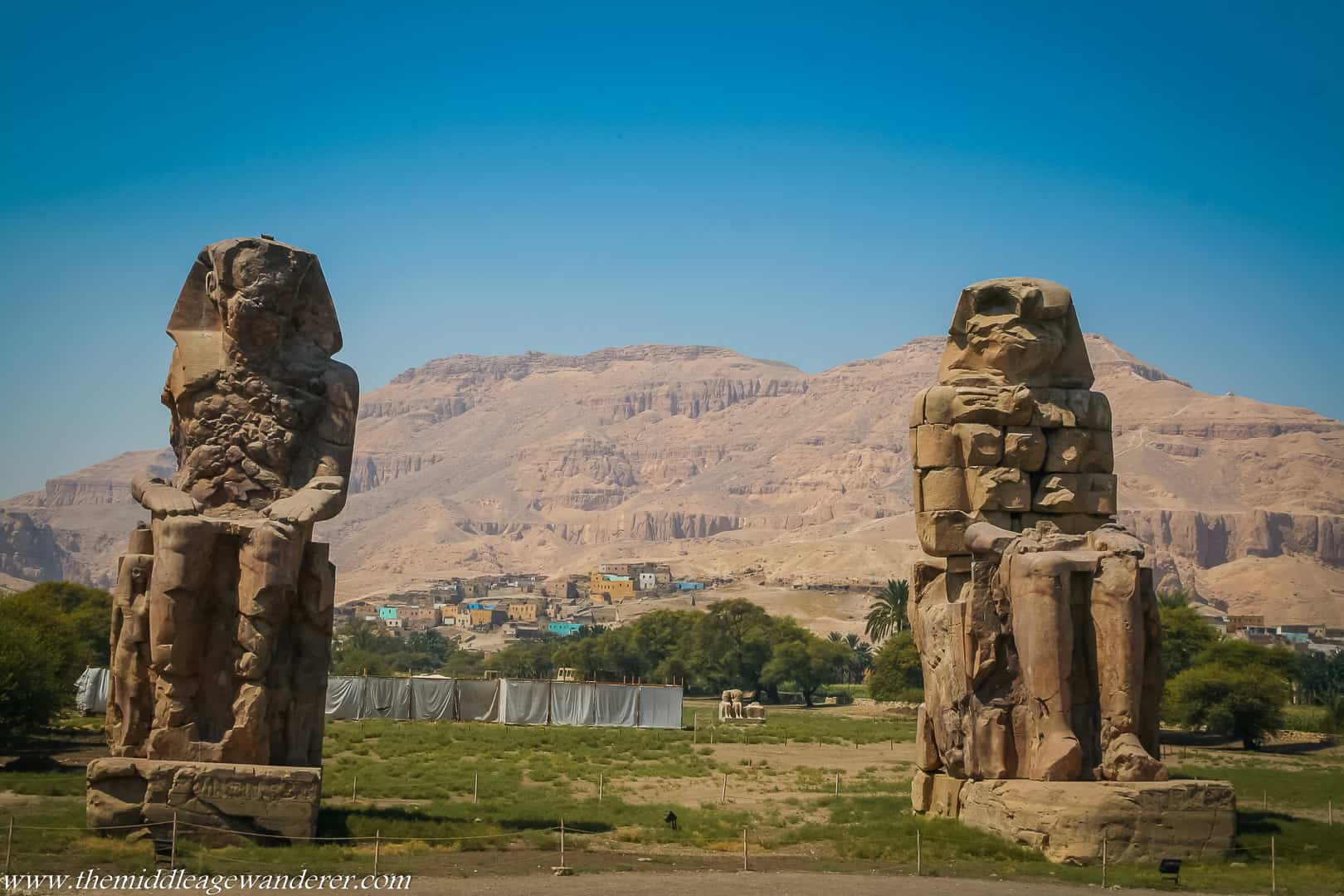
Your first stop on the West Bank is quick but iconic. The Colossi of Memnon are two towering statues of Pharaoh Amenhotep III that have stood guard over the Theban necropolis for over 3,400 years. Each statue is about 18 metres (59 feet) tall, and though the temple they once fronted has long crumbled, these giants remain standing, weathered but still impressive.
There’s something strangely moving about them. They’re surrounded by open fields, with the cliffs of the West Bank rising in the background, and you can often visit without any crowds. It’s a great place to stretch your legs, take some photos, and reflect on just how long these statues have been watching over this landscape.
What to Look For:
Now it’s time to see one of the most unique temples in all of Egypt, built into the cliffs by a powerful female pharaoh.
🔗 For more information: Visiting the Colossi of Memnon
💡 My Tip: This site is free and easy to access, so it’s worth a stop even if you’re short on time.
📍 Next stop: Temple of Hatshepsut
📏 Distance: ~5.3 km (3.3 miles)
🚕 Travel time: About 10–12 minutes by private driver, taxi or Didi.
Next, head to one of Egypt’s most visually striking temples, the Mortuary Temple of Hatshepsut, also known as Deir el-Bahari. Built right into the cliffs at the base of a towering limestone mountain, this multi-level masterpiece is unlike anything else you’ll see in Egypt.
Hatshepsut was one of the few and most powerful female pharaohs in ancient Egypt. Her reign was marked by peace, prosperity, and ambitious building projects. This temple was her attempt to immortalise her rule and legitimise her place among the kings.
Seeing it in person is awe-inspiring. Its long, symmetrical terraces almost blend into the mountain, creating a perfect harmony between architecture and nature. Climbing the ramps and exploring the colonnades gives you a real sense of the grandeur and ingenuity of ancient Egyptian design.
What to Look For:
End your day with an unforgettable walk through the final resting places of Egypt’s greatest rulers.
💡 My Tip: There’s very little shade, and the site is exposed to the afternoon sun – this was the hottest I felt all day. Bring water, wear a hat and sunscreen, and take breaks in the shaded porticoes where possible.
📍 Next stop: Valley of the Kings
📏 Distance: ~4.5 km (2.8 miles)
🚕 Travel time: About 10 minutes by private driver, taxi or Didi.

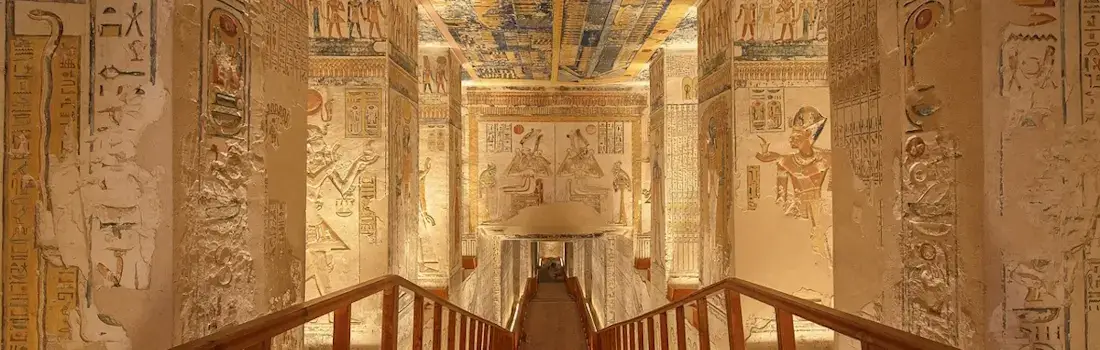
End your day at one of Egypt’s most famous sites, the Valley of the Kings. Nestled in the cliffs of the West Bank, this desert valley was the burial ground for the pharaohs of the New Kingdom, including big names like Tutankhamun, Ramses II, and Seti I.
What struck me most here was how hidden everything feels. Unlike the soaring temples of the East Bank, these tombs are dug deep into the rock. From the surface, the entrances look plain, but once you’re inside, you’re surrounded by vibrant wall art, hieroglyphs, and mythical scenes that have lasted for over 3,000 years. It’s like stepping into the pharaoh’s journey to the afterlife.
How It Works:
Your general entry ticket includes access to three tombs, chosen from a rotating list (typically including options like Ramses III, Ramses IX, and Merenptah). Each tomb has its own story, colours, and layout.
Some of the most famous tombs require separate tickets, and you can buy those at the ticket office on arrival:
💡 My Tip: Buy the photography permit if you want to take photos, as phones and cameras are strictly monitored. The tombs are hot and humid inside, so take it slow, wear supportive shoes, and bring water.
🔗 For more information: Complete Guide to the Valley of the Kings
🔗 Make sure you have plenty of memory card space: The Best Memory Card for Travel

If you’ve still got energy after a full day of exploring temples and tombs, Luxor has a few relaxing and rewarding ways to wrap up your day:
Revisit Luxor Temple at Night
Seeing Luxor Temple lit up at night is an entirely different experience from during the day. The golden lighting highlights the statues and columns, creating a sense of both peace and drama. It’s usually quieter too, giving you space to really take it all in. If you have time and didn’t get enough earlier in the day, it’s well worth a return visit.
Karnak Sound & Light Show
Held in the evenings, this long-running show guides you through Karnak Temple, narrating its history with dramatic lighting and music. While it’s a bit dated in style, many visitors still enjoy the ambience, especially if you want a slower-paced way to soak in more history after dark. You can buy tickets at the entrance or ask your hotel or cruise to book them.
Dinner with a View or Nile-Side Walk
After all that walking, you might prefer something a bit more low-key. Grab a bite at one of Luxor’s rooftop restaurants, or take a stroll along the Nile corniche, where the river breeze and evening call to prayer give the city a peaceful, timeless feel.
Sunset Felucca Ride on the Nile
For a more relaxed option, consider a sunset felucca ride. These traditional sailboats glide gently along the Nile, offering a peaceful way to unwind and reflect on your day as the sun sets over the West Bank hills.
💡 My Tip: If you’re staying near the East Bank, everything is fairly close by. Taxis are easy to find in the evening, or you can use Didi to get around locally.
Spending a whole day temple-hopping in Luxor is amazing, but it’s also hot, dry, and full of uneven walking paths. Here’s what I’d recommend bringing and doing to make the most of your time:
🧢 Wear a Hat and Sunscreen
There’s very little shade at most of the sites, especially Karnak, Hatshepsut, and the Valley of the Kings. A wide-brimmed hat and high-SPF sunscreen will make a big difference.
💧 Bring Plenty of Water
You can buy bottled water at some larger temple entrances, but it’s best to bring more than you think you’ll need, especially on the West Bank, where options are limited.
🥨 Take Snacks
Once you cross the Nile, food options become scarce. Energy bars, fruit, or even some local bread can keep you going between sites.
🧻 Pack Tissues or Toilet Paper
Toilets at major sites are basic and may not be stocked with toilet paper, so carrying a small pack of tissues or a roll of toilet paper is a smart move.
👟 Wear Comfortable Walking Shoes
You’ll be on your feet most of the day. Sturdy sandals or walking shoes are best as paths can be dusty, rocky, or slippery in tombs.
📱 Download Didi (Rideshare App)
Uber doesn’t operate in Luxor, but Didi does. It’s handy if you’re not using a private driver and want to avoid haggling with taxis.
🚙 Hire a Driver if Possible
If your budget allows, booking a driver for the day is the most comfortable and time-efficient way to explore Luxor. Most hotels or cruises can arrange this, or you can book in advance via GetYourGuide or Viator. They’ll handle the West Bank transfer and wait while you explore.
💡 My Tip: Even if you’re feeling fit, the sun and dry heat can sneak up on you. Take breaks, sit in the shade where you can, and listen to your body. It’s a marathon, not a sprint!
You don’t need a week in Luxor to feel its magic; just one well-planned day can take you through temples, tombs, and thousands of years of history. From the towering columns of Karnak to the painted walls deep inside the Valley of the Kings, every stop reveals a different layer of ancient Egypt’s grandeur.
Yes, it’s a packed itinerary. But if you plan, take breaks, and pace yourself, you’ll walk away with unforgettable memories and a deep appreciation for this incredible city. I know I did, and I’d go back in a heartbeat.
Can you do Luxor in one day?
Yes, you can absolutely see the highlights of Luxor in one day, especially if you start early and stay organised. This itinerary covers major sites on both the East and West Banks, including Karnak, Luxor Temple, the Valley of the Kings, and the Temple of Hatshepsut. It’s a full-on day, but totally worth it.
How do you get around Luxor?
You have a few options:
Is it worth visiting the Valley of the Kings if you only have one day?
Absolutely. If you only have time for one tomb site in Egypt, the Valley of the Kings should be it. Even just seeing two or three tombs gives you a sense of the artistry, mythology, and mystery of the afterlife as imagined by the ancient Egyptians.
What should I wear in Luxor?
Loose, breathable clothing that covers your shoulders and knees is best – both for sun protection and cultural sensitivity. Comfortable walking shoes are essential, and don’t forget a hat and sunglasses.
Are there places to eat on the West Bank?
Not many. That’s why this itinerary includes an early lunch on the East Bank before heading over. If you’re spending the whole day out, pack snacks to keep your energy up.
Do I need separate tickets for Tutankhamun’s tomb?
Yes. Tutankhamun’s tomb in the Valley of the Kings requires an additional ticket beyond your general admission. It’s small but includes his actual mummy, and it’s a meaningful stop for many travellers.
Is the Karnak Sound and Light Show worth it?
If you enjoy a theatrical retelling of history, the show is an enjoyable way to wind down your day. The storytelling is old-school, but walking through the temple lit up at night adds atmosphere.

Hi, I’m Lisa Bundesen - the voice behind The Middle Age Wanderer. I’m a retired chartered accountant turned passionate traveller and photographer. Alongside my husband Darren (and with our two fur babies waiting at home in Australia), we explore the world one adventure at a time.
I’ve travelled to over 35 countries, and I created this blog to inspire fellow travellers in their 50s, 60s, and beyond to embrace adventure. Whether it’s hiking ancient trails, diving into new cultures, or sipping wine in scenic places, I believe life after 50 is the perfect time to explore more.
Here, you’ll find honest travel advice, destination guides, and real stories to help you travel smarter and with more confidence - because age is not a barrier, it’s an invitation.


Explore the World with Us!
Join our newsletter for travel advice, tips and inspiration.
Hi, I’m Lisa, a 50+ retired chartered accountant. My husband, Darren, and I explore the world every opportunity we get. Staying fit is key to our adventures, from hiking the Inca Trail to scuba diving. We call Australia home but travel overseas often, always eager to discover new cultures, bustling cities, cuisines, nature and wildlife.
We would love you to join us on our journeys and hope that our adventures give you encouragement to explore this amazing world.
Explore the World with Us!
Join my newsletter for travel advice, tips and inspiration.
As Seen On

Recent Posts





Categories
Action Camera We Use

Where We Book Accommodation
How We Research Flights

How We Protect Our Laptop

Our Hiking Guide

Related Posts
Discover the top things to see in Luxor – from ancient temples to royal tombs. This guide covers 11 must-see attractions with tips and travel advice.
This 1 Day Luxor Itinerary covers the best East and West Bank sites, with travel times, tips, and advice to help you make the most of your visit.
Discover the wonders of Egypt with our friendly guide to the Valley of the Kings and explore its rich history and treasures.
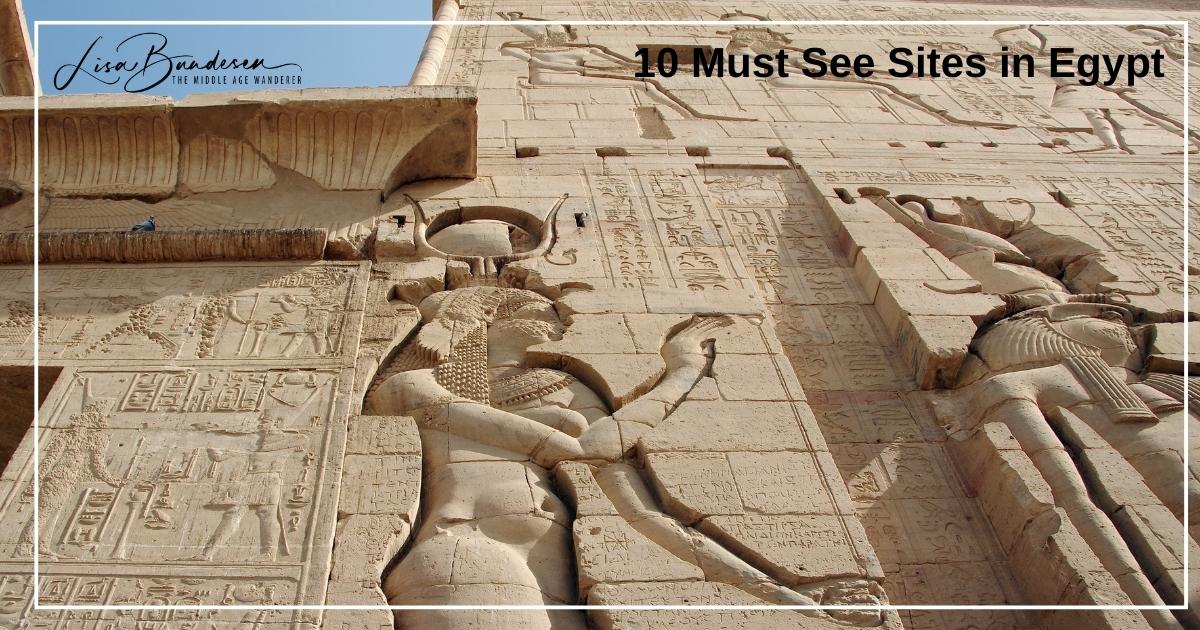
Egypt has so many amazing historical sites so here is a list of my 10 must see sites in Egypt to include in planning for your adventure there.

Explore the stunning Colossi of Memnon, two towering statues of Pharaoh Amenhotep III, standing proud in Luxor’s landscape.