


It should go without saying, but unfortunately, it still needs to be said: when you visit a place of worship, you need to be respectful. Whether you consider yourself spiritual or not, entering a sacred space means stepping into something meaningful for others. And too often, I have seen people forget that.
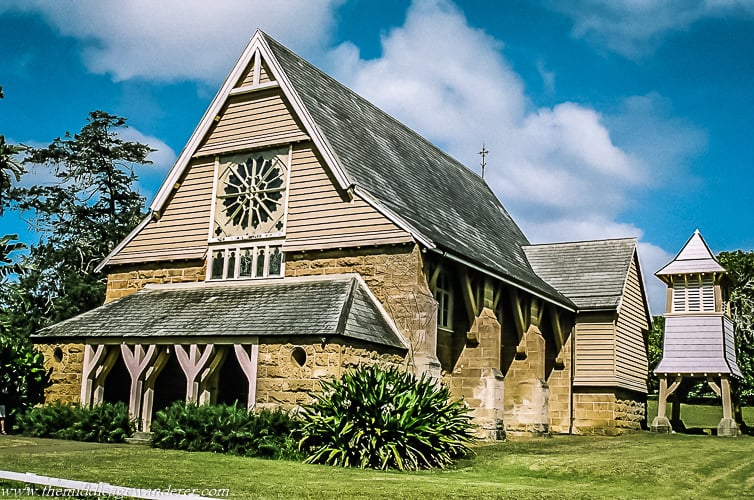
Over the years, I have visited hundreds of religious sites, some grand and imposing, like Westminster Abbey in London or the Sultan Hassan Mosque in Cairo, and others peaceful and simple, like the Budir Black Church in Iceland or St Barnabas Chapel on Norfolk Island. Regardless of where you go, one thing is consistent: these are not just attractions; they are places people go to pray, reflect, and find peace.
If you are just starting your travel journey, maybe heading overseas for the first time, it can be hard to know what is expected in a temple, mosque, or church. That is why this guide exists. In it, you will find real-world advice from my travels on how to behave respectfully, what to wear, when you can (and cannot) take photos, and how to get the most out of your visit without offending anyone.
Religious sites are not museums or tourist attractions. They are living spaces of devotion – places where people come to pray, reflect, mourn, celebrate, and connect with something greater than themselves. When we walk into these spaces as visitors, we are guests. And just like you would not walk into someone’s home with muddy shoes or a loud attitude, the same basic respect applies here.
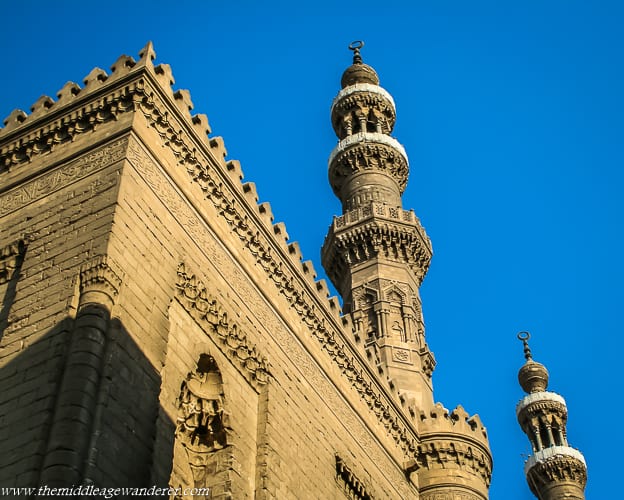
One moment that really stuck with me happened during our visit to the Sultan Hassan Mosque in Cairo. It was a hot day, as most are in Cairo. Knowing we were visiting several mosques, both my husband and I dressed modestly – long pants, my shirt had ¾-length sleeves, and I brought a scarf just in case. A group of tourists arrived while we were there. Two young women in the group were wearing bikini tops and the kind of short denim shorts where the pockets hang out of the bottom hem line. Inside a place of worship! I don’t care how hot it is – there is no excuse for that kind of disrespect.
Even if you aren’t religious, showing respect matters. You are representing yourself, and all travellers, when you walk through those doors. Being thoughtful in sacred spaces builds trust, shows cultural awareness, and allows you to have a deeper, more meaningful experience.
Visiting sacred spaces is a privilege, not a right, and it comes with responsibilities. A few small adjustments to your behaviour can make a big difference in how you are received and how much you get out of the experience.
Silence or soft voices are essential. Sacred places are often used for prayer, meditation, or quiet reflection. This is not the place for loud conversations or laughter.
Put your phone on silent, and not just the ringtone. If you are taking photos, make sure the shutter sound is turned off. That little “click” may seem harmless, but in a silent space, it can be jarring.
It’s easy to get caught up in the beauty or uniqueness of a site, especially if it is your first time abroad. But remember, you are not just there for the photo. You are in someone else’s sacred space.
Avoid using selfie sticks, staging elaborate photo shoots, or blocking passageways for the perfect angle. Take a breath, lower your voice, and appreciate where you are.
✔️ Related post: 10 Must Visit Churches in Iceland

If there is one mistake I see again and again at sacred sites, it’s travellers getting the dress code wrong. And while different places have different expectations, a little modesty and planning go a long way.
The general rule of thumb? Cover your shoulders, cleavage, midriff, and knees, regardless of your gender. That means no tank tops, crop tops, or short shorts. For men, this also means avoiding sleeveless shirts.
Lightweight, breathable fabrics are ideal, especially in hot climates like Southeast Asia or the Middle East. If you are wearing a singlet or strappy top, bring a light jacket, scarf, or shawl you can slip on before entering.
Footwear can vary. Some temples and mosques require you to remove your shoes before entering, so slip-on sandals are handy. Hats and caps should be removed as well.
If your shoes make a loud “click-clack” sound, like high heels or hard-soled sandals, try to walk lightly or on your tiptoes. In a quiet space, even the sound of your footsteps can be disruptive.
And avoid wearing anything with offensive language, provocative imagery, or bold political statements. Even if you think it’s funny or harmless, it may deeply offend the people around you.
My best advice? Always pack a sarong or scarf. It’s a simple item that can serve multiple purposes – covering your shoulders, draping over your head, or even tying around your waist if your shorts or skirt are too short.
When we travelled through Bali, Thailand, and Sri Lanka, I always made sure to bring sarongs for both of us. I knew we would be visiting temples and didn’t want to be caught off guard. It’s one of the easiest ways to show respect and avoid being turned away at the door.
Sacred spaces can be breathtaking, and naturally, you may want to take a photo to remember the moment. But there is a right way and a wrong way to do it. Always lean on the side of caution, and never assume photography is allowed just because you see others doing it.
Many places of worship have signs at the entrance clearly stating whether photography is allowed. Some allow it freely, others prohibit flash photography, and some ban all photography altogether.
If there are no signs, ask a guide, caretaker, or staff member before taking any photos. Just because you don’t see a “no photo” sign doesn’t mean it is okay.
Also, be aware that some places prohibit selfie sticks altogether. They can be disruptive in tight spaces and disrespectful when waved around in sacred areas.
If photography is allowed, be discreet. Avoid taking photos during ceremonies or of people who are praying unless you have permission. These moments are not photo ops, they are deeply personal acts.
Silence your phone or camera shutter sound. That clicking noise echoes through quiet halls and interrupts the peaceful atmosphere. Set your camera or phone to silent mode before you even step inside.
If you want a photo of yourself, ask someone quietly to take it or use a quick, respectful selfie, no dramatic poses, no dancing, and absolutely no blocking other visitors.

It’s easy to get caught up in snapping photos, ticking off guidebook highlights, or rushing to the next stop on your itinerary. But sacred places offer more than just architectural beauty or historical significance – they offer a feeling.
So pause. Step away from the camera. Take a breath.
Whether you are standing beneath the soaring ceilings of Westminster Abbey in London, feeling the stillness inside the Sultan Hassan Mosque in Cairo, or absorbing the quiet simplicity of St Barnabas Chapel on Norfolk Island, let yourself be present.
These places have been sites of prayer, reflection, and meaning for generations. That energy lingers. Sometimes, the most powerful moment is not the photo you take, but the silence you share with the space.
Give yourself that moment. You will remember it far longer than the picture. I take at least 15 minutes at every site to sit and reflect. It’s a powerful experience.
Respecting sacred spaces is not about being perfect, it’s about being mindful. You don’t need to know every custom or ritual. What matters is the attitude you bring through the door.
As travellers, especially those of us exploring more in our 50s and 60s, we have the chance to set an example. To show that thoughtful, culturally aware tourism exist. To demonstrate that visiting a sacred site is not just about seeing something, it is about understanding something.
It takes so little to be respectful: a scarf in your bag, a quiet moment before entering, a willingness to observe before acting. But those small gestures speak volumes.
Travel isn’t just about the places you go – it’s about how you go. And choosing to go with respect makes the journey richer for everyone.
Do I have to be religious to visit a place of worship?
No, you do not need to be religious to visit a sacred site. Many religious and spiritual places around the world welcome respectful visitors of all backgrounds. You are not expected to participate in rituals, but you are expected to behave with respect.
What should I wear to a religious site?
As a general rule, cover your shoulders, cleavage, midriff, and knees. Bring a scarf or sarong – they are lightweight, easy to pack, and can cover multiple areas if needed. Avoid clothing with offensive words or images.
Can I take photos inside a church, mosque, or temple?
Sometimes. Many places allow photography, but not flash. Others do not allow it at all. Look for signs or ask someone before taking any photos. If it is permitted, be discreet – no flash, no loud shutter sounds, and no blocking others.
What shoes should I wear to visit sacred places?
Choose comfortable shoes that are easy to slip off. Many places, especially mosques and temples, require you to remove your shoes before entering. Shoes that are quiet (no loud clacking) are also a smart choice, especially in echoing stone halls.
How do I know if I am being disrespectful?
When in doubt, observe. Look at what others are doing, mainly locals and follow their lead. If you are unsure, ask politely. Staying quiet, dressing modestly, and showing appreciation for the space will rarely steer you wrong.

Hi, I’m Lisa Bundesen - the voice behind The Middle Age Wanderer. I’m a retired chartered accountant turned passionate traveller and photographer. Alongside my husband Darren (and with our two fur babies waiting at home in Australia), we explore the world one adventure at a time.
I’ve travelled to over 35 countries, and I created this blog to inspire fellow travellers in their 50s, 60s, and beyond to embrace adventure. Whether it’s hiking ancient trails, diving into new cultures, or sipping wine in scenic places, I believe life after 50 is the perfect time to explore more.
Here, you’ll find honest travel advice, destination guides, and real stories to help you travel smarter and with more confidence - because age is not a barrier, it’s an invitation.


Explore the World with Us!
Join our newsletter for travel advice, tips and inspiration.
Hi, I’m Lisa, a 50+ retired chartered accountant. My husband, Darren, and I explore the world every opportunity we get. Staying fit is key to our adventures, from hiking the Inca Trail to scuba diving. We call Australia home but travel overseas often, always eager to discover new cultures, bustling cities, cuisines, nature and wildlife.
We would love you to join us on our journeys and hope that our adventures give you encouragement to explore this amazing world.
Some of the links below are affiliate links, meaning, at no additional cost to you, I will earn a commission if you click through and make a purchase. This helps me to keep bringing you travel updates and news. See my Disclosure Policy for more information.
I only recommend companies and products that I personally use.
Explore the World with Us!
Join my newsletter for travel advice, tips and inspiration.
As Seen On

Recent Posts



Action Camera We Use

Where We Book Accommodation
How We Research Flights

How We Protect Our Laptop

Our Hiking Guide

Related Posts
Some of the links below are affiliate links, meaning, at no additional cost to you, I will earn a commission if you click through and
Is it safe to travel in 2026? Learn the modern travel risks to watch and travel safety tips that help you stay confident, calm, and prepared. ✅✈️
Are animal cafes ethical? Use this quick decision guide to spot red flags, understand welfare concerns, and choose kinder alternatives that give animals a life worth living.
Worried about scams when travelling? Learn how to spot and avoid the most common travel scams before, during, and after your trip, without the stress.

Travelling somewhere cold? Skin care in cold destinations for travellers over 50 is about comfort, not perfection. Learn what really works.